


"We were paid three shillings": Kenya's first female Olympian reflects on changes in athletics landscape





Reading Time: 3min | Tue. 29.10.24. | 09:00
Kenya participated in the Olympics for her second time in 1968, just in time for Tecla’s international debut
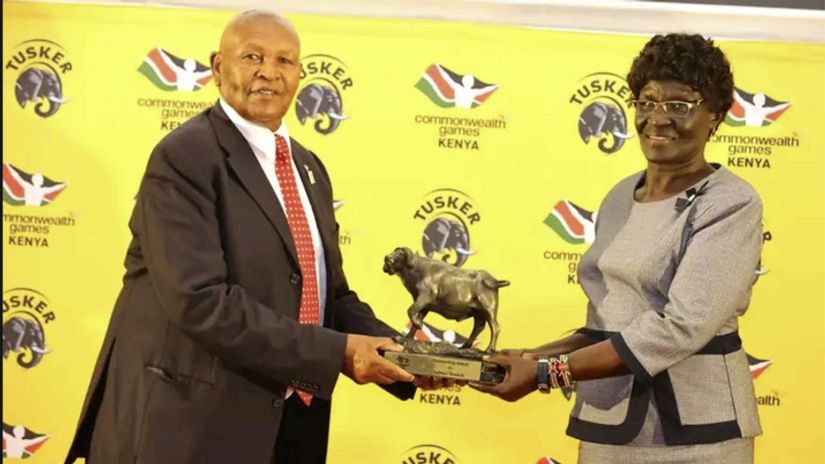
Tecla Chemabwai Sang was the first woman to represent Kenya in the Olympics at just 13 years old in 1968.
Kenya participated in the Olympics for her second time in 1968, just in time for Tecla’s international debut. Tecla qualified alongside two other ladies, Lydia Stevens and Elizabeth Chesire.
Back then, minors were not given passports, and the state had to lie that she was 18, not 13, for her to get a visa to fly to Mexico for the 1968 Olympics. This might explain why people think she is 71 years old now, but she is only 68.
Mozzart Sport caught up with the legendary runner, who explained the differences between then and now.
Back then, the nation’s champions were celebrated with pride and fanfare. She remembers a time when winning athletes were paraded across all provinces (now devolved into counties), traveling in Land Rovers and vans, much like the motorcades that greet politicians today.
Every town they visited lined the streets with excited crowds who welcomed them with gifts and cheers.
“At that time, sports in Kenya were so good. When we came back with a win, we’d be entertained from Mombasa to Rift Valley to Nyanza.
In every town we went to, we were given presents. It’s not like now when athletes come back, return the flags, and everybody goes their way,” Chemabwai recalled.
Today, however, she observed that athletes no longer receive the same level of recognition or celebration for their achievements. Once the flags are returned, athletes quietly resume their routines without the fanfare that once accompanied national pride.
She went on to describe a notable shift in motivation among athletes.
“Everybody now wants to run because there is money. It is now a business,” she said.
Whereas athletes of her time ran to represent their districts and provincial communities, many modern athletes run primarily for financial gain.
During her era, athletes received a modest allowance; Ksh. 3 for home games and Ksh. 7 for away games. Tecla managed to save enough from these payments to buy a piece of land in Kapsabet, but she noted that today’s athletes can earn significant sums from races and endorsements.
The commercialization of running has undoubtedly created new opportunities for financial independence. But Chemabwai feels it has also shifted the focus away from the sense of community and representation that once defined Kenyan athletics.
Technology has also reshaped athletics, transforming the way athletes train and compete.
In her day, there were no phones in the country or watches to keep track of time. She recalls running to school at midnight under the moonlight, not realizing it was still the middle of the night due to the lack of timekeeping devices.
“Now there is a lot of technology that has come in, including specialized shoes with spikes designed to enhance speed,” she offered.
Despite all these advancements, Chemabwai stressed the importance of mental resilience, a factor she believes was often overlooked in her training.

The history maker went on to urge coaches to not only prepare athletes physically but also mentally. Citing her example, Chemabwai explained that she lost major international competitions because she was competing with whites and saw them as way more qualified than she was.
According to the Olympian, if her coaches had mentally prepared her to overpower the whites, she would have had the best career.
She also called upon the coaches to identify the inclinations of athletes at a tender age.
Today, Tecla is the director of Chemabwai Sang Educational Center in Eldoret. She also manages her family’s farm and herd, as well as the property of her late husband, Julius Sang.
Sang was also an Olympian who won gold in the 4x400 relay and bronze in the individual 400 meters at the 1972 Munich Olympics.