


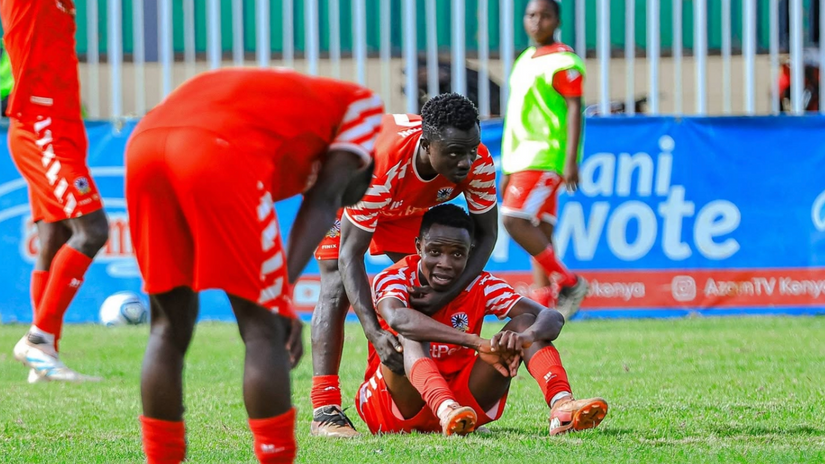
Season Review: Big signings, high expectations, millions in gate collections, same old top 5 for Shabana







Reading Time: 5min | Tue. 09.06.26. | 14:36
For a club that had invested heavily in recruitment and entered the season talking openly about competing with Kenya’s elite, maintaining the status quo was not enough. Expectations had shifted beyond simply being competitive
When Brian Michira scored at a packed Gusii Stadium against Pamba Jiji during Shabana Day, the home fans thought they were witnessing the first chapter of something special.
Hundreds had turned up to welcome 14 new signings and celebrate a club that appeared determined to move from top-half consistency to genuine title contention.
Download our Mozzart Sport App for more news
Among the arrivals were: Byron Otieno from Kariobangi Sharks, David Odoyo from Tusker FC, Ugandan winger Bronson Nsubuga from Maroons FC, Wycliffe Omondi from Nairobi City Stars and right back Humphrey Obino from Murang’a Seal.
After finishing fifth in the 2024-2025 season and growing commercial momentum, Shabana looked ready to challenge the established order.
Instead, they finished where they started.
The Glamour Boys ended the 2025-2026 FKF Premier League campaign in fifth place with 52 points- from 14 wins, 10 draws and 10 defeats.
They scored 35 goals and conceded 34, a slight decline from the previous season when they also finished fifth with 53 points, having scored 41 goals and conceded 29.
The numbers revealed a team that largely stood still despite heightened expectations.
For a club that had invested heavily in recruitment and entered the season talking openly about competing with Kenya’s elite, maintaining the status quo was not enough.
.jpg)
Expectations had shifted beyond simply being competitive.
Shabana wanted to be a contender.
The biggest disappointment came in the matches that were supposed to measure their growth.
AFC Leopards completed a league double over the Glamour Boys, winning both meetings and exposing a gap between Shabana’s ambitions and reality.
The return fixture, a humiliating 5-1 defeat, became one of the club’s lowest moments of the season, although crowd trouble ultimately overshadowed events on the pitch.
Against Gor Mahia, Shabana produced a much-improved display but still suffered a 2-1 defeat.
While there were signs of progress, the result reinforced a recurring theme throughout the campaign.
When it came to facing the teams they aspired to compete with for honours, Shabana often fell short.
Their struggles were not limited to away fixtures.
For much of the club’s recent resurgence, Gusii Stadium had developed a reputation as one of the most intimidating venues in Kenyan football.
The atmosphere, passionate support and strong home form had transformed the ground into a fortress where opponents expected a difficult afternoon.
This season, however, that aura began to disappear.
Nairobi United, Mathare United, Posta Rangers, Kariobangi Sharks and AFC Leopards all left Gusii Stadium with victories.
Each defeat chipped away at the home advantage that had become central to Shabana’s resurgence and, eventually, began affecting the club’s finances.
For a team whose supporters had grown accustomed to generating seven-figure gate collections, the decline was noticeable.

After earning Ksh1,131,500 against Bandari and Ksh1,186,400 against Tusker in February, Shabana failed to hit the Ksh1 million mark in five consecutive home matches, with collections eventually falling to just Ksh398,000 against Ulinzi Stars.
The trend reflected a campaign in which expectations gradually gave way to frustration.
As results became inconsistent and the anticipated title challenge failed to materialise, attendances softened, illustrating the close relationship between on-pitch performance and financial strength at one of Kenya’s most passionately supported clubs.
Yet the season was not without progress.
Despite the frustrations, Shabana continued to strengthen their reputation as a destination for elite talent.
The club provided two players to the national team setup during the African Nations Championship period, with Brian Michira and Austine Odongo earning Harambee Stars recognition.
Michira’s inclusion was particularly notable given the physical setbacks he endured during the campaign.
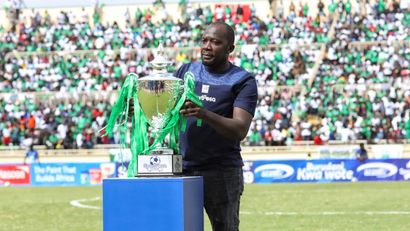
The attacker suffered a fresh injury during the Mozzart Bet Cup quarter-final against Kenya Police, aggravating a problem that had initially sidelined him for nearly 12 weeks earlier in the season following his involvement at CHAN.
Captain George Orako also spent four months on the sidelines through injury.

Those absences disrupted continuity and deprived Shabana of leadership and experience during crucial stages of the season.
While injuries are part of football, they arrived at key moments and undoubtedly affected the club’s ability to build momentum.
Individual excellence still emerged despite the setbacks.
Goalkeeper Stephen Ochieng enjoyed one of the finest seasons of his career, winning the FKF Premier League 'Golden Glove' after keeping 16 clean sheets.
Alongside defender Wycliffe Awiko, he earned a place in the FKF Premier League Team of the Season, highlighting the quality that remained within the squad despite broader team frustrations.
.jpg)
Off the pitch, there was further reason for optimism.
President William Ruto’s donation of a Ksh27 million team bus and an additional Ksh20 million in financial support represented a significant vote of confidence in the club.
The investment strengthened Shabana’s operations while reflecting the club’s growing importance within Kenyan football.
Even more significant was the unveiling of plans for the redevelopment of Gusii Stadium.
The proposed Ksh1 billion project will include a FIFA-standard playing surface, a 14,000-seater capacity, modern changing rooms, upgraded spectator amenities and an international-standard athletics track.
Once completed, the facility has the potential to transform the club’s long-term prospects and provide infrastructure worthy of one of the largest fan bases in the country.
The future remains brighter than the table suggests.
Shabana were not poor this season. They remained competitive, continued attracting support, supplied players to the national team and produced two members of the league’s Team of the Season.
Institutionally, the club continued moving forward.
Yet football is ultimately judged by results.
The Glamour Boys entered the campaign believing they could challenge for trophies. They leave it with another fifth-place finish, fewer goals scored, more goals conceded and lingering questions about how to turn ambition into achievement.
Nobody gathered at Shabana daydreaming of another fifth-place finish.
That is what makes this season feel less like a failure and more like a missed opportunity.
The foundations remain strong, the support remains immense and the infrastructure promises an exciting future.
The challenge now is ensuring that next season delivers the progress this one promised.