


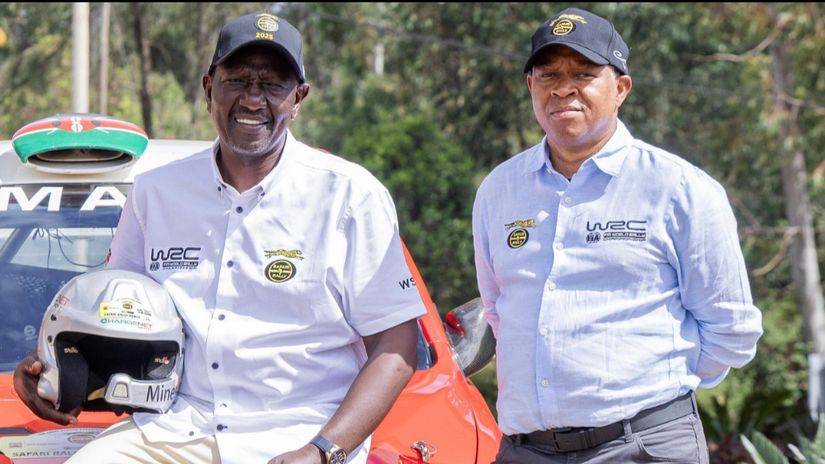
Charles Gacheru: Shauri Moyo boy exiting WRC Safari Rally head high after remarkable CEO stint
Reading Time: 6min | Sun. 24.05.26. | 22:39
From the streets of Shauri Moyo to the engine roar of the Safari Rally his story is one of grit that reached the top and stepped away with pride
For many Kenyan boys growing up in the 1980s and 1990s, the Safari Rally was not just a motorsport event.
It was mythology on wheels.
The roar of engines slicing through dust-covered roads, helicopters hovering overhead, crowds packed onto escarpments and hillsides, and rally cars flying through the countryside at impossible speeds created a kind of magic that lodged itself deep into the imagination of an entire generation.
Download our Mozzart Sport App for more news
In estates across Nairobi and villages far beyond it, young boys dreamt of one day being part of the Safari Rally circus, if only to stand close enough to feel the vibration of the engines in their chests.
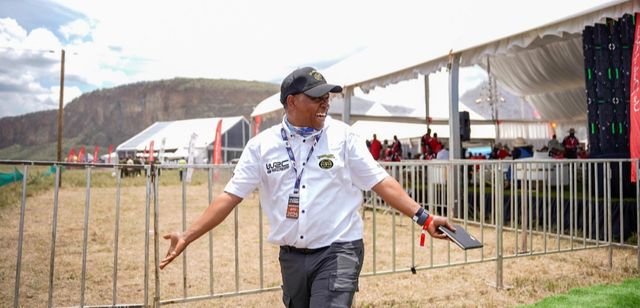
For Charles Gacheru, that dream became reality.
Now, as he prepares to leave his role as Chief Executive Officer (CEO)of the WRC Safari Rally Kenya ahead of schedule, Gacheru can look back on a turbulent but transformative tenure that saw him help steer Africa’s most iconic motorsport event away from near-total dependence on government funding and toward a commercially driven future.
It is a fitting ending for a man whose own story mirrors the rally itself: unpredictable, demanding, occasionally chaotic, but ultimately resilient.
Raised in Nairobi’s Shauri Moyo estate, Gacheru grew up in an environment where sport was more than recreation.
It was survival.
Nestled within Pumwani, Shauri Moyo was a breeding ground for raw sporting talent.
Football thrived in dusty open fields. Wrestling and boxing drew crowds. Basketball courts at the YMCA and the Baptist Church became sanctuaries for young boys searching for direction.
For Gacheru, sport offered something even more important: escape.
“Sports provided the space we needed to hide from the reality of poverty and to escape the vices that consumed so many of our friends,” he recalled.
“Luckily, there was sports all around us, basketball at the YMCA and the Baptist Church, table tennis, volleyball and badminton at the BAT staff quarters and at the Jericho Social Hall," he explained.
Those early experiences shaped a career that would eventually place him at the centre of Kenya’s sporting ecosystem.
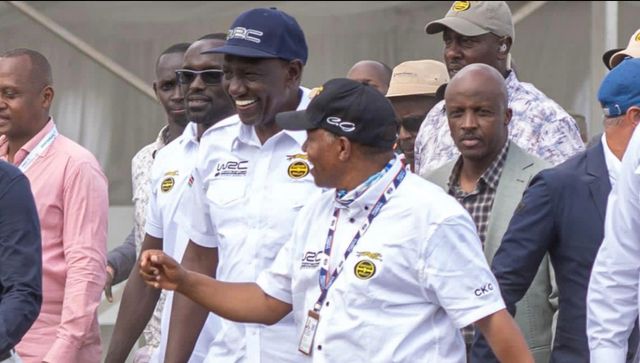
Long before he became the public face of the Safari Rally, Gacheru had already built a formidable reputation in sports marketing and corporate organisation.
Through IMG Kenya, the agency he founded and grew into East Africa’s largest sports agency, he managed sponsorship portfolios worth more than USD 20 million annually across football, rugby, golf, athletics, cycling and the Olympic movement.
That background made him an attractive candidate when the government sought someone capable of modernising and commercialising the Safari Rally.
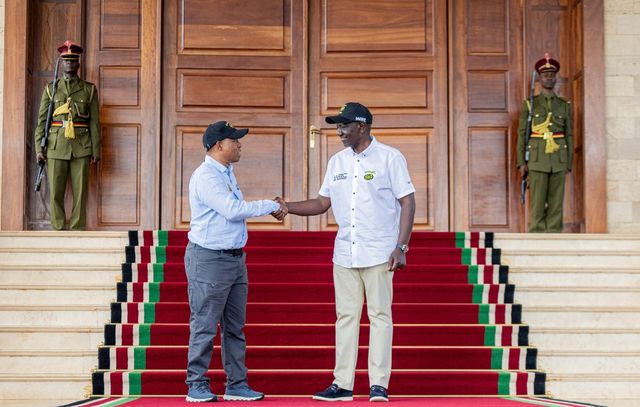
In February 2024, then Sports Cabinet Secretary Ababu Namwamba appointed him to lead the event.
The assignment was clear: cut costs, attract corporate funding,professionalise operations and secure the future of Kenya’s place on the World Rally Championship calendar.
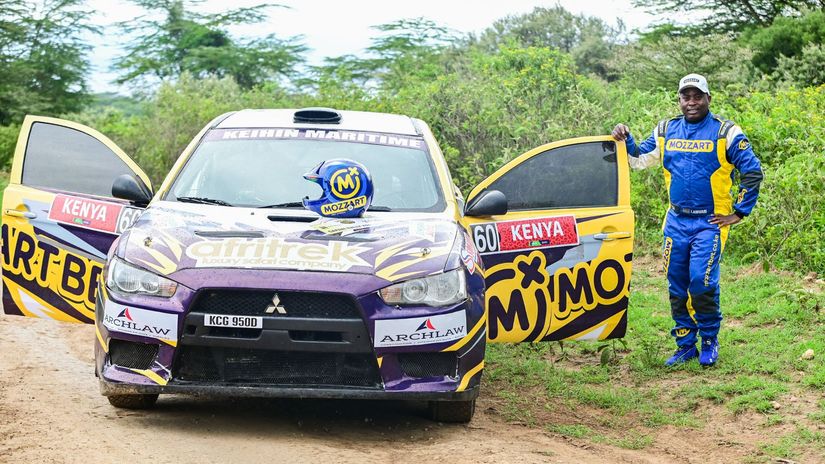
There was only one problem.
Gacheru was entering unfamiliar territory.
“Accepting that role led me down an unfamiliar path. Whilst I had a strong sports background and had attended all Safari Rally events since its return to the WRC calendar, I did not have much motorsports experience," he admitted.
The learning curve was brutal.
“I had a vague idea about how rally routes were marked and even less knowledge of how pace notes were read. I was new to FIA and WRC sporting codes and regulations; it was an extremely steep learning curve with very short timelines," he said.
And yet, perhaps it was precisely because he came from outside the motorsport establishment that he approached the role differently.
Gacheru inherited an organisation riddled with internal conflict, financial strain and political tension.
Funding delays routinely threatened preparations.
Motorsport federations fought among themselves.
Suppliers remained unpaid. Corporate sponsors demanded accountability.
Meanwhile, the Munich-based WRC Promoter GmbH, the company that owns the commercial rights to the FIA World Rally Championship kept increasing its financial demands.
Running the Safari Rally, Gacheru says, often felt impossible.
“Running the rally from 2024 to 2026 was like solving a constant jigsaw puzzle with many missing pieces whilst blindfolded,” he said.
“Pieces were stolen and hidden by my own team members, other pieces were not procured due to lack of funds, some were torn apart by past team members who thought running the rally was their God-given right, and occasionally, the whole puzzle would go missing for days on end stolen by warring motorsport federations," he offered.
It is the kind of statement that reveals the hidden reality behind the glamour broadcast to millions worldwide.
Because while fans saw dramatic jumps, dust trails and thrilling finishes, behind the scenes there were battles over budgets, logistics, politics and survival.
The financial pressure became especially intense as WRC Promoter fees escalated sharply.
According to figures circulating within motorsport circles, promoter-related costs rose from 3.775 million Euros in 2025 to 4.4 million Euros in 2026.
The Development Budget alone reportedly increased nine-fold between 2020 and 2026, while television licensing fees and organiser contributions continued climbing.
For a government-funded event operating within an already strained sports budget, the numbers became increasingly difficult to sustain.
“Overall, we were on track to reduce the Safari Rally expenses within our control, but the high and escalating WRC Promoter fees were not in our control,” Gacheru explained.
Yet despite the mounting financial strain, Gacheru and his team managed to transform the fan experience and reposition the Safari Rally as more than just a motorsport event.
Under his leadership, new rally routes were introduced and older stages redesigned to create fresh challenges for drivers and more engaging viewing experiences for fans.
The Rally Village at Morendat emerged as one of the defining innovations of recent editions blending motorsport, entertainment and tourism into a festival-like atmosphere that attracted thousands.
Beyond the racing itself, the Safari Rally evolved into one of Kenya’s most powerful global marketing tools.
Images of helicopters sweeping over Naivasha’s dramatic landscapes, rally cars charging through dust-covered roads and crowds dancing in the wilderness flooded social media timelines worldwide.
For three consecutive years, the Safari Rally effectively doubled as a digital tourism campaign for Kenya.
In many ways, that may become Gacheru’s most lasting contribution.
Not merely preserving the Safari Rally, but repositioning it as a commercially valuable global property.
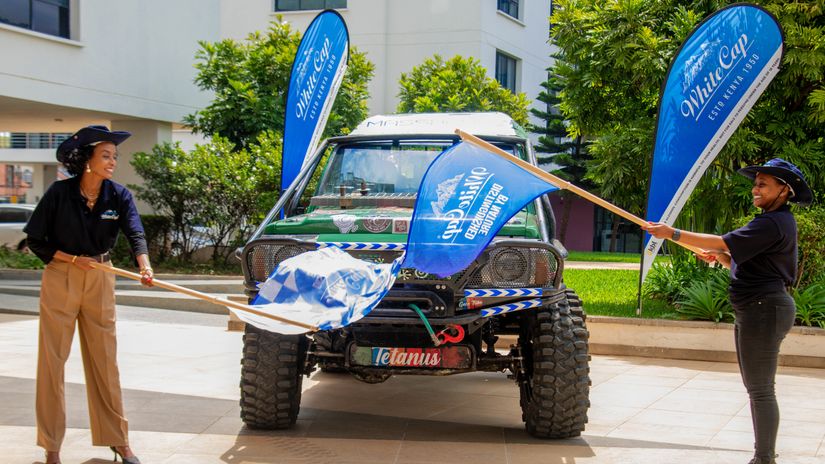
By the time he exits office, the event is expected to transition fully into corporate funding from next year, significantly reducing reliance on taxpayers.
He is also leaving behind an agreement in principle that could extend Kenya’s WRC hosting rights from 2027 to 2031.
But uncertainty remains.
The current contract expires on 15 June, and unpaid promoter fees from the 2025 edition, amounting to 3.775 million Euros threaten negotiations.
Still, Gacheru departs convinced that Kenya is only beginning to understand the true value of the Safari Rally.
“The commercial rights of the Safari Rally need to be evaluated to ascertain the true commercial value of this global event,” he argued.
“I believe the Safari Rally is worth at least USD 5 million. An international tender would be the best way to identify those who may want to acquire those rights. The Safari Rally is Kenya’s most watched sporting asset; it must not be given away for free," he said.
There is something symbolic about that statement.
A boy from Shauri Moyo who once watched sport as an escape from poverty now leaves one of Africa’s greatest sporting events arguing that Kenya must finally recognise its own value.
.jpg)
For all the chaos, politics and financial headaches that defined his tenure, Gacheru walks away having done something few expected when he first took over: he steadied the machine.
And somewhere beneath the corporate reports, FIA regulations and promoter invoices, perhaps the little boy who once stood by the roadside listening to rally cars thunder past finally got to live his dream.