


.jpg)
Key takeaways and priority improvement areas from Nairobi’s HSBC SVNS 2 tournament







Reading Time: 4min | Mon. 16.02.26. | 12:49
The turnout was a clear reminder that local supporters have not abandoned rugby; they respond when the stakes feel high, and the event presentation matches international standards
From Saturday, 14 to Sunday, 15 February, the gates of Nyayo National Stadium swung open to host the HSBC SVNS 2, and what unfolded was a spectacle worth remembering.
Tickets had sold out three weeks earlier, and a packed arena provided the backdrop for an electrifying weekend of rugby.
Follow our WhatsApp channel for more news
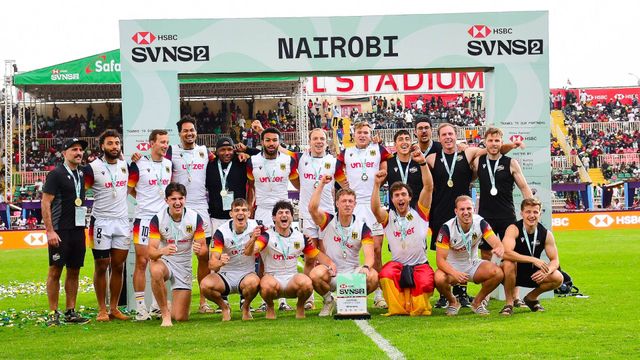
Germany and Argentina emerged as champions in the men’s and women’s categories, respectively.
Kenya Shujaa finished third after a 21–5 loss to the USA, while the Kenya women's national rugby sevens team placed fifth with six points, registering a single win in the competition.
Mozzart Sport followed the tournament closely, and here are some of the key lessons picked from the Nairobi leg.
Kenyan fans still love rugby
By Saturday noon, organizers confirmed that up to 10,000 tickets had been sold, and the stands reflected that demand.
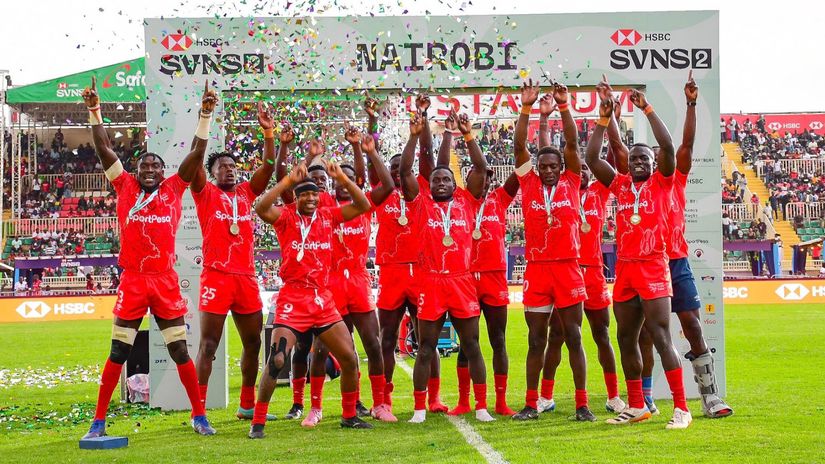
The stadium was full, and the atmosphere surged whenever Kenyan sides took to the pitch.
The turnout was a clear reminder that local supporters have not abandoned rugby; they respond when the stakes feel high, and the event presentation matches international standards.
After the third-place finish, Shujaa expressed appreciation for the backing, promising to build on the momentum heading into the remaining legs of the circuit.
“We thank our fans very much for showing up. We tried our best to give all we could give, but it was so unfortunate. But do not lose hope, we are still coming. Two more tournaments. We will not let you down,” Shujaa co-captain George Ooro said.
Are Lionesses progressing?
The rise of the Lionesses has been remarkable.
Qualification for the HSBC Division 2 in May 2024 signaled their growing relevance on the international stage.
However, Nairobi also highlighted the gap that still exists.
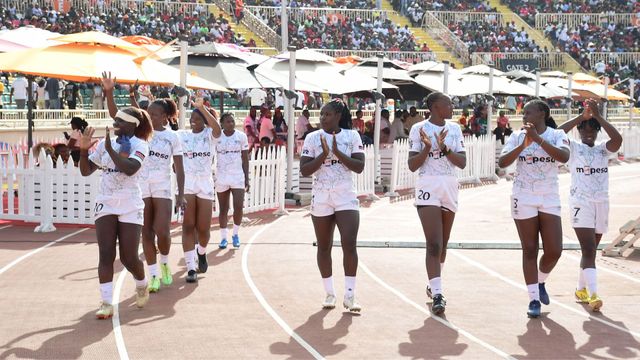
Clinical opposition from teams such as China and Argentina exposed areas requiring refinement.
The Lionesses secured a lone victory against Brazil but fell to South Africa, China, Argentina, and Spain.
With experienced players like Grace Adhiambo, Janet Okello, and Stellah Wafula, combining with stalwarts Edith Nariaka, Sinaida Nyachio, Naomi Amuguni, and promising debutant Marvel Oswago, the squad demonstrated depth and promise.
Progress is undeniable, but continued investment and exposure will be necessary to match global standards.
Media, communications operations must evolve
Several concerns emerged around media handling during the tournament.
Accreditation through wristbands instead of standard neck tags limited operational flexibility, while access to players and coaches initially proved challenging before later adjustments.

Major international events demand seamless communication structures, and Kenya Rugby Union (KRU) has strong templates to learn from through competitions such as the Sirikwa Classic or Kipkeino Classic.
The relationship between media and sport is mutually reinforcing, and effective coverage elevates tournaments, and proper facilitation enables quality storytelling.
Kenya ready to host premium events
The near-capacity attendance demonstrated the country’s readiness to stage high-profile competitions.
.jpg)
While Kenya has hosted notable tournaments before, including the 2023 Barthes Cup, the scale and atmosphere of this event stood apart.
This success provides a blueprint moving forward.
Retaining that enthusiasm for domestic leagues and the National Sevens Circuit should now be the next objective.
Rugby culture
Rugby in Kenya extends beyond the final whistle.
Entertainment played a significant role in shaping the matchday experience.
Saturday featured a performance from hip-hop star Khaligraph Jones, supported by DJs and MCs who maintained energy throughout the evening.

Sunday’s closing celebrations were headlined by Vijana Barubaru, ensuring the weekend ended on a high note.
The social element is deeply embedded in rugby culture, and organizers leveraged it effectively to enhance fan engagement.
Ticketing and planning must be handled earlier and transparently
Late on Saturday night, Kenya Rugby Union announced additional ticket sales following consultations with Sports Kenya.
“Due to increased demand from fans and consultation with Sports Kenya, the Kenya Rugby Union has unlocked limited tickets for sale,” the Union posted.
While the move helped accommodate eager fans, the timing underscored the need for earlier coordination.
Clear communication and proactive planning are essential to maintain trust and allow supporters to prepare accordingly.
Rugby still attracts
Domestic competitions sometimes paint a bleak picture in terms of sponsorship appeal.
However, the SVNS 2 village, vibrant with branding and corporate presence, showed that rugby remains marketable when packaged effectively.
The challenge now lies in translating that commercial confidence into sustained support for local competitions by improving presentation and engagement.
Private sector partnerships can accelerate infrastructure improvements
Branded spectator canopies installed by Safaricom through its M-Pesa activation illustrated how corporate partnerships can enhance facilities quickly and effectively.
Rather than relying solely on government-led upgrades, which often lead to prolonged stadium closures, targeted sponsor-backed improvements could deliver faster results.
Initiatives such as stand branding, shading infrastructure, or fan amenities benefit both spectators and commercial partners while preserving stadium accessibility for athletes.