


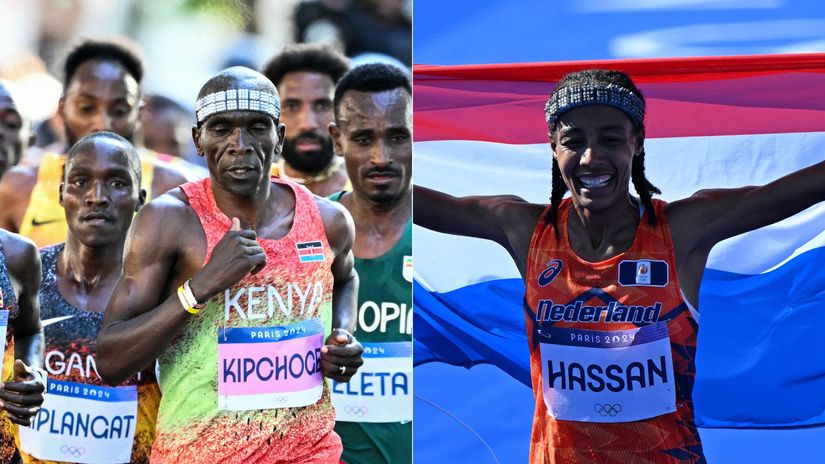
Mysterious Ksh25,000 headband Eliud Kipchoge and Sifan Hassan wore during Olympics




.jpg)


Reading Time: 2min | Wed. 02.10.24. | 18:15
Originally introduced in 2019 for triathlon athletes, the Omius headband gained prominence after-sales resumed in 2022 following the COVID-19 pandemic
At the Paris 2024 Olympics, marathon legends Eliud Kipchoge and Sifan Hassan were spotted wearing headbands, sparking curiosity about the technology behind them.
The headband, developed by Omius Company, features an innovative cooling system designed to enhance athletic performance in extreme conditions.
Each headband contains 20 cooling units, comprising nine mini-towers made of porous, heat-conducting graphite. This design amplifies the surface area of the wearer’s forehead by five times, allowing for greater heat dissipation.
The cooling units can be replaced if need be, ensuring maximum efficiency during prolonged use.
The principle behind the headband is simple yet effective. By increasing the area available for evaporation, and keeping the band damp with airflow passing through it, the water evaporates, drawing heat away from the forehead.
This creates a localized cooling effect, which helps athletes feel cooler even though it does not alter their core body temperature.
Omius CEO Jake Leschly explained that while the headband does not change core temperature, it provides a cooling sensation that can enhance an athlete's comfort and performance.
"It’s the local cooling effect that allows them to feel cooler and, potentially, perform faster," said Leschly.
This sensation, much like the controversial "super shoes" worn by athletes, is believed to offer a marginal performance boost, although its exact impact is hard to quantify.
Originally introduced in 2019 for triathlon athletes, the Omius headband gained prominence after-sales resumed in 2022 following the COVID-19 pandemic.
Its popularity soared, with 43 of the 53 professional athletes at the 2023 Women’s Ironman World Championship donning the headbands.
At the Paris Olympics, athletes wearing the headbands were not sponsored but the brand still saw a surge in sales, selling nearly half as many headbands post-Olympics as they did throughout 2023. The headbands currently retail for $200 (Ksh 25,732).
Despite the technological aid, success still hinged on the athletes' strength, endurance, and strategy.
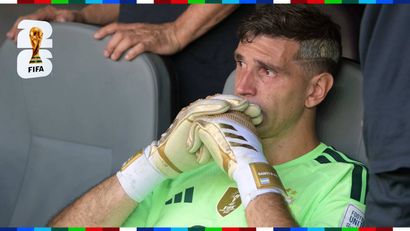
Sifan Hassan won the women’s marathon with Kenya’s Hellen Obiri finishing third, with Eliud Kipchoge experienced an uncharacteristic struggle and eventually dropped out of the race after 31 kilometres.