


How BB Bread are using wins over Gor Mahia, Leopards to build Brighton or Brentford like model
.jpg)



.jpg)

Reading Time: 13min | Fri. 20.03.26. | 20:04
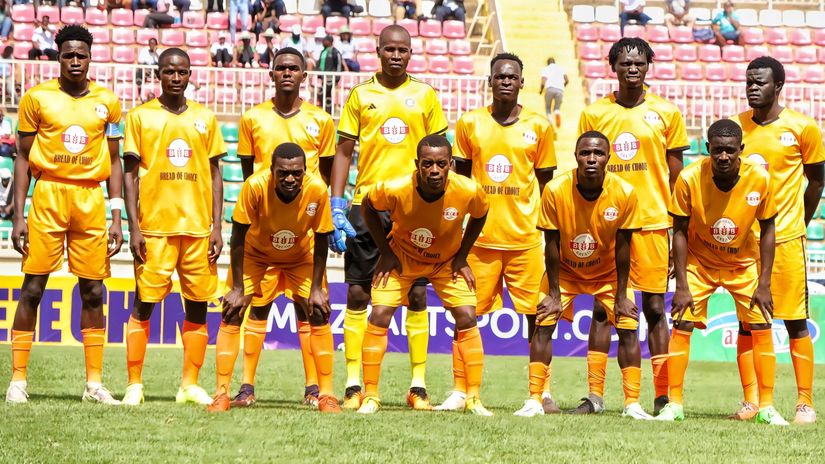
For a team plying its trade in the Nairobi East Regional League Zone B, BB Bread has become the ultimate underdog story of this year’s FKF Mozzart Bet Cup, a David slinging stones with astonishing precision at football’s Goliaths
For supporters of AFC Leopards and Gor Mahia, the past few weeks have likely been anything, but comfortable.
In offices and homes across Kenya, the simple sight of bread and tea, a daily staple, may have carried an unexpected sting.
Follow our WhatsApp channel for more news
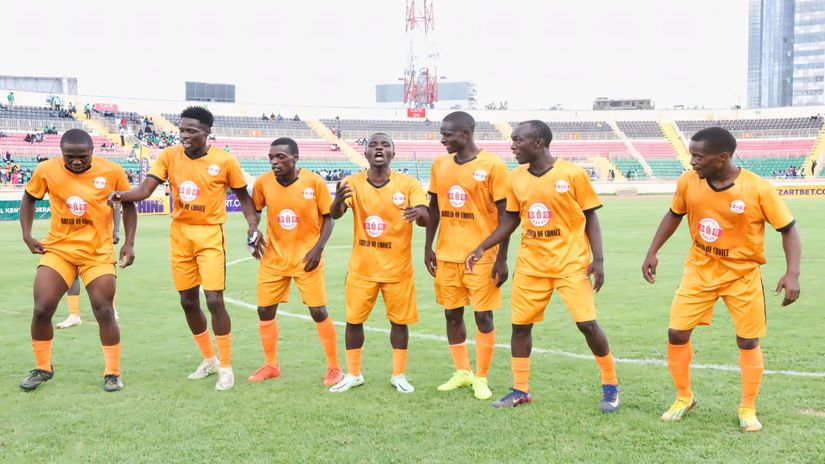
The reason? A little-known community side named Bakor Bakery, fondly known as BB Bread, has been serving up slices of humiliation to two of the most decorated giants in Kenyan football.
"We beat AFC Leopards, we dismantled Gor Mahia and we are ready to tear apart any team in the Round of 16,” declares a buoyant Justin Okoba, the club’s coach, his voice still carrying the excitement of a cup run few could have predicted.
For a team plying its trade in the Nairobi East Regional League Zone B, BB Bread has become the ultimate underdog story of this year’s FKF Mozzart Bet Cup, a David slinging stones with astonishing precision at football’s Goliaths.
BB Bread first sent shockwaves through Kenyan football on 8 February when they stunned AFC Leopards in the Round of 64.
After holding the 12-time league champions to a dramatic 2-2 draw in regulation time, the Kayole-based side held their nerve to win 4-3 on penalties and booking a place in the Round of 32.
But what many thought was a one-off upset soon proved to be the beginning of something much bigger.
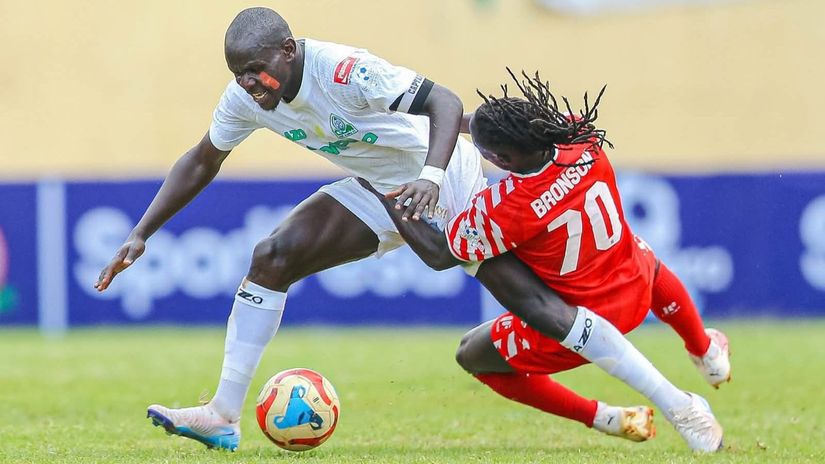
Earlier this month, the regional league side delivered another seismic blow, defeating record 21-time League champions Gor Mahia 1-0.
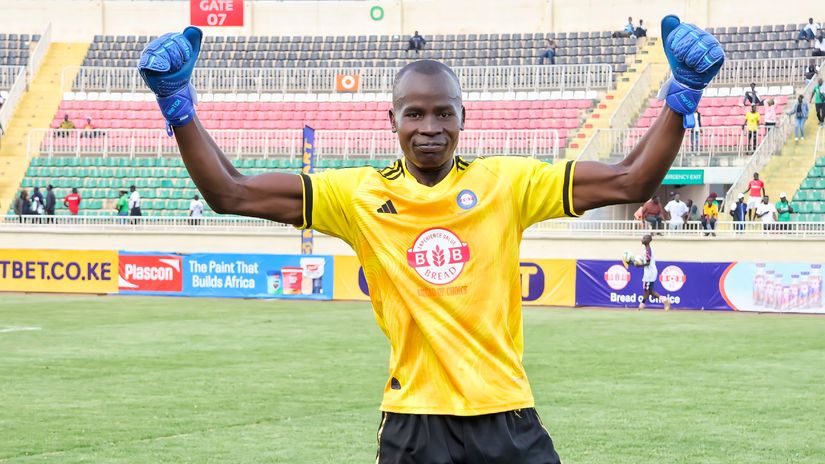
A late strike from striker Dennis Muthini proved decisive, sending BB Bread marching into the Round of 16 and cementing their status as the tournament’s most captivating story.
Beating two Kenyan football giants in successive rounds has injected the squad with belief, the kind that grows quietly but stubbornly, like dough rising in a warm bakery.
More than fairy tale
To many observers, BB Bread’s remarkable run in the 2026 Mozzart Bet Cup may appear like one of those magical football stories that emerge once in a while, a plucky underdog riding on adrenaline, luck and the unpredictable charm of knockout football.
But for club co-founder and coach Philip Rapando, the narrative of a lucky giant-killer does not quite capture the deeper truth behind the team’s rise.
According to him, the performances that have stunned Kenyan football are not the product of coincidence or cup magic, but rather the culmination of years of deliberate effort quietly unfolding away from the public eye.
Speaking exclusively to Mozzart Sport, Rapando explains that what the country is witnessing today is the visible result of a long and patient process of building a football project rooted in community values, discipline and development.
In his words, the club’s rise has been years in the making, long before their recent victories began grabbing headlines.
“This is not something that has just happened overnight,” Rapando says, explaining that for years the team has been working steadily behind the scenes to build structures, nurture players and instil a strong football culture within the squad.
Before detailing the philosophy and planning that have shaped the team’s progress, Rapando points to the humble setting, where BB Bread’s dream continues to take shape every morning, a modest community ground tucked away in Nairobi’s Eastlands.
Team built in heart of Kayole
BB Bread conducts its training sessions at the MYSA Komarock Grounds, Kayole, a community football hub where the players gather before sunrise as they prepare for the day’s work on the pitch.
Rapando explains that the team’s training routine is dictated largely by the realities of grassroots football, particularly the challenge of accessing playing fields in a densely populated area where many teams compete for limited space.
As a result, the players often begin their day long before most people in the city have even left their homes.
“Our training sessions usually start from six in the morning and run until about eight, because that is the window when we can access the field,” says the club administrtor, adding that the team also complements those sessions with gym work while most of their weekend matches are played at the same venue.
Despite operating in the lower tiers of Kenyan football, BB Bread has deliberately adopted a structured approach that mirrors the professionalism commonly associated with top-flight clubs.
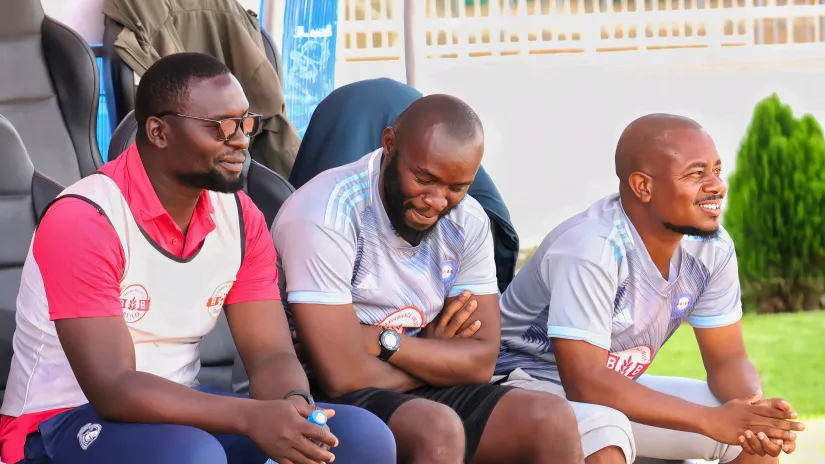
The team runs a disciplined weekly programme that includes tactical training, gym conditioning and video analysis sessions designed to help players better understand the game.
He explains that the club has made a conscious effort to operate with the same seriousness expected at the highest levels of the sport, even if their resources remain limited.
“We always try to run the club in a professional manner because the players need that environment to grow,” he says.
He further notes that the team has integrated gym sessions, video analysis and structured tactical work as part of its routine training programme to help players improve both physically and mentally.
Club born from community roots
The story of the club stretches back to the turbulent years of 2007 and 2008, when Kenya was slowly emerging from the trauma of the post-election violence that had shaken the nation.
During that period, a group of young football enthusiasts-who had grown up within the Mathare Youth Sports Association (MYSA) development system-came together with a shared concern about the future of players in their community.
With youth competitions becoming less frequent due to funding challenges, they feared many talented players might drift away from football altogether.
Their response was simple but powerful, create a team that could keep those young players active, disciplined and connected to the sport they loved.

Rapando recalls that the team, which was initially known as Kayole Youngsters, began as a grassroots community initiative driven purely by passion.
“The team was started by myself, coach Justin Okoba and several other friends including Simon Mungai,” he explains, recalling how a small group of community members decided to take responsibility for nurturing the next generation of players in the area.
“At that time we were simply football lovers who wanted to keep the boys playing and give them something positive to focus on.”
Most of the founders had themselves progressed through MYSA’s youth structure from the under-12 to the under-16 levels, and their experiences within that system heavily influenced the values they wanted the club to embrace.
When competitions within the MYSA structure began reducing due to financial constraints, they decided to transition their team into the Football Kenya Federation (FKF) league system.
“Our main goal back then was simply to keep the boys active,” he added.
He further tells Mozzart Sport that the founders did not initially envision the club growing into a competitive project within the national football structure.
“We did not even have a big plan at the time, but as the years went by we began seeing players coming through our system and moving to higher leagues.”
But a gradual emergence of talent proved to be a defining moment in the club’s journey.
As some of the players developed within the system began attracting attention from clubs in higher divisions, the founders realized that the project had the potential to evolve into something far more ambitious than they had originally imagined.
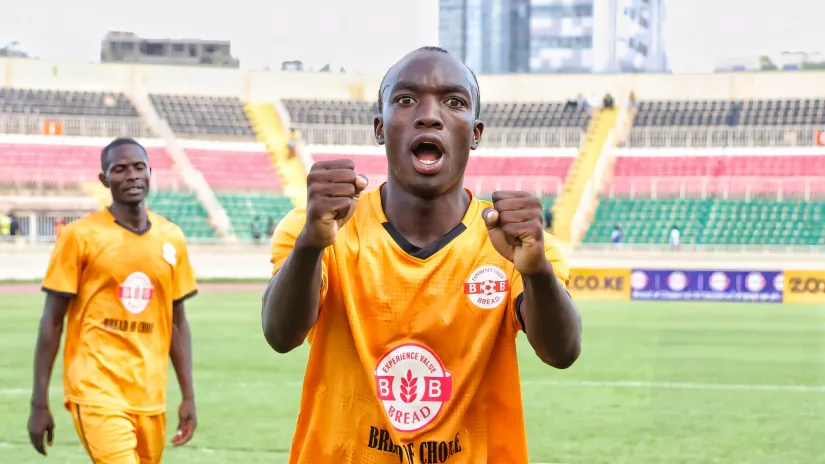
Rapando says, watching their former players reach the professional ranks gave the management renewed motivation to refine the club’s structures and invest more seriously in player development.
“When we started seeing players leaving our team and joining clubs in the top leagues, it gave us the push to become more serious and more professional about what we were doing,” he explains.
Among the players who have passed through BB Bread’s development pathway are: Jackson Dwang, Levin Odhiambo, Brian Ochieng and Fidel Castro, footballers who have gone on to feature for top-flight sides such as Gor Mahia and Mathare United in the FKF Premier League.
Ironically, Dwang and Odhiambo found themselves on the losing side when their club was knocked out of the Mozzart Bet Cup by the very team that once helped shape their early careers.
Yet despite that twist of fate, their connection with BB Bread remains strong.
The gaffer reveals that several of the club’s former players have continued to support the team financially during difficult periods, particularly before the arrival of sponsorship support last year.
“Players like Dwang and Levin have always remained close to the club and have helped us in many ways,” he says, explaining that the two players were among those who assisted with logistical support and other needs when the club faced financial challenges.
“Before we secured sponsorship we even formed a small committee with them and a few friends so that we could keep the team running.”
While BB Bread’s victories against Kenyan football giants have captured national attention, the coach insists that the team measures its success through a much broader lens than trophies or cup runs alone.
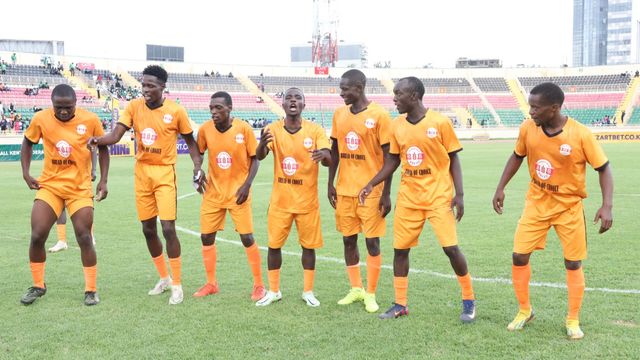
For him, the most meaningful achievements are reflected in the lives of the young people who have passed through the club and gone on to build successful careers beyond football.
Rapando proudly reveals that the team has helped support several players through secondary school and university education, often assisting them in securing bursaries or scholarships to continue their studies.
“We have about five boys who have already graduated with university degrees, and for me that is actually a bigger success story than just producing professional footballers."
He explains that from the very beginning, the project was built on a broader vision that looked beyond football itself.
The founders understood that while many young players dream of turning professional, only a small number will ultimately reach that level.
For that reason, the club deliberately built a culture that treats football as both an opportunity and a stepping stone.
“As a club we always remind the boys that not everyone will end up playing football professionally, but that should not mean the journey ends there,” he explains. “Through football we can still secure education, we can still help someone build a future, and that is why we have always tried to support our players to get bursaries, scholarships and opportunities to study even as they continue playing.”
According to him, several former players have already graduated from university and established careers in different sectors, something he considers one of the club’s proudest achievements.
“For me the real success is when you see one of the boys graduate, or when you see them working as an engineer, a nurse or in another profession, because it means football helped them find direction in life even if they did not become professional players.”
Tactical Identity built on understanding the game
On the pitch, BB Bread has developed a football philosophy rooted in flexibility and intelligence rather than a rigid tactical dogma.
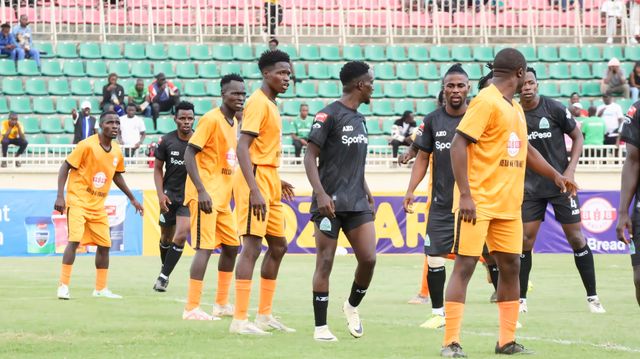
He explains that the technical bench studies each opponent carefully before deciding how the team should approach the match, allowing the players to adapt depending on the circumstances they face.
“Our philosophy is very pragmatic because every match has its own demands,” he says. “There are games where you can play expansive football and dominate possession, and there are others where you must be disciplined defensively and wait for your opportunity. Football does not allow you to approach every opponent the same way.”
The approach blends elements of Dutch positional football with the energetic pressing style often associated with German teams, but Rapando insists that tactics alone are not enough.
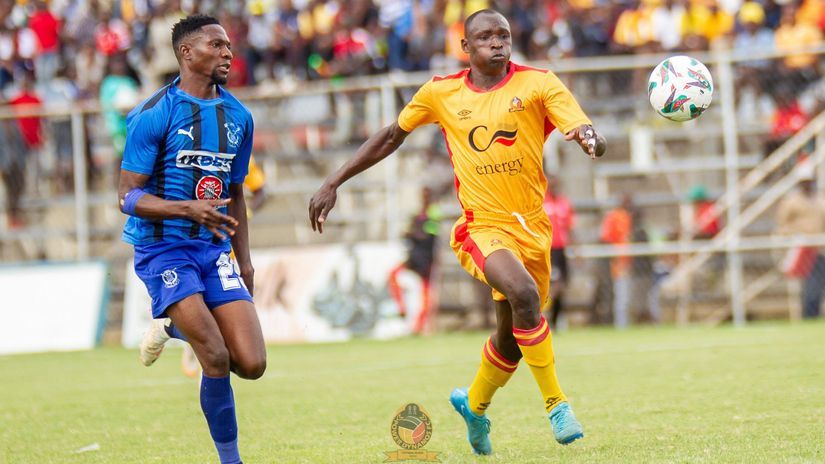
The club places a strong emphasis on teaching players to understand the game itself rather than simply memorizing systems.
“We always ask the boys to think about what they are doing on the pitch. Possession alone does not mean anything if you do not understand why you are keeping the ball. Are you circulating it to create a chance, or are you just passing for the sake of passing?
These are the things we constantly challenge them to think about because football is about decision-making.”
The club’s impressive cup run has already begun to shine a spotlight on several members of the squad, with scouts from higher divisions taking notice of the talent emerging from the Kayole-based side.
Among the players drawing attention is forward Joseph Tindo, whose performances have attracted interest from clubs in the Kenyan Premier League, while experienced midfielder Ado Godana, who previously played for Sofapaka, also provides leadership and stability within the team.
However, Rapando explains that the club’s recruitment strategy deliberately balances experience with youth development to ensure the project remains sustainable.
“When we are building the squad, we look for players who may have been involved in football before but are no longer active, yet they still have something to offer the game.
At the same time we surround them with young players who are hungry and eager to learn so that the experience from the older players can guide the younger ones.”
That balance, he adds, ensures continuity within the team even when standout players eventually move to bigger clubs.
“We understand that when you develop good players, other teams will come for them, and that is part of football, instead of fearing that, we focus on constantly developing the next group so that when one player leaves, another one is ready to step in.”
Despite the presence of standout individuals, the club head believes the true strength of the team lies in its collective spirit rather than individual brilliance.
“In our team everyone is important and everyone must be ready, if one player is missing, another player should come in and perform the same role because the strength of this team is not one star but the unity of the whole squad.”
Kayole’s fierce community derbies
Despite the national attention generated by victories over giants like AFC Leopards and Gor Mahia, BB Bread remains deeply rooted in the vibrant football culture of Nairobi’s Eastlands, where local rivalries often carry as much emotional weight as national competitions.
Within their regional league pool, the team faces several fierce neighbourhood opponents representing communities across Umoja, Kayole, Maringo and Makongeni.
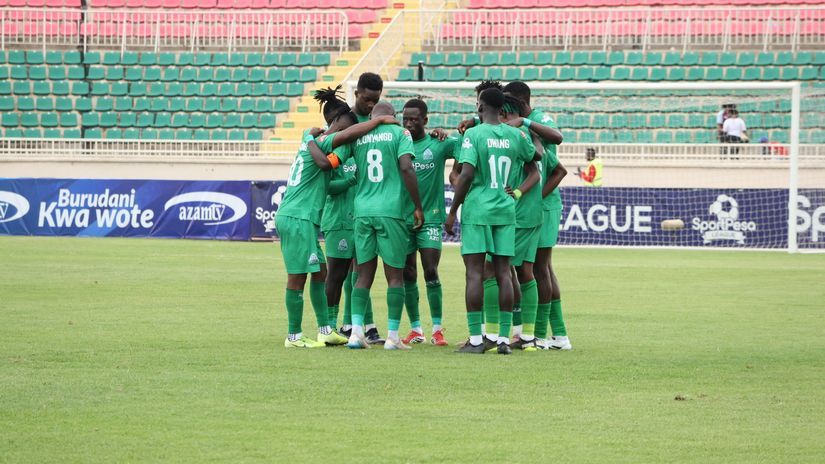
These encounters regularly transform into passionate community events where football becomes a source of local pride.
Rapando says the derby against Maringo United stands out as one of the most memorable fixtures in the club’s calendar because of the atmosphere it generates among supporters.
“Those are the matches that really bring the communities together. When we play Maringo United, the whole area turns up and the atmosphere becomes very special because it is more than just a football match, it becomes a celebration of community football,” he says with a smile.
Learning from global football models
Although BB Bread competes in the lower tiers of Kenyan football, the club’s leadership constantly studies successful football models from across the world in order to refine their own methods.
Rapando explains that the management draws inspiration from clubs such as Brighton & Hove Albion, Brentford and Norway’s Bodø/Glimt, teams that have managed to challenge established powers despite operating with relatively modest resources.
“We study what those teams have done to reach where they are today because their journeys show that success is not only about money, clubs like Brighton, Brentford and Bodø/Glimt built strong systems, trusted their planning and focused on doing the small things correctly, and those are some of the lessons we try to bring into our own environment.”
He believes that Kenyan football can benefit from adopting similar approaches built on discipline, data-driven decision-making and long-term planning.
“In Kenya we sometimes talk a lot but do very little, what we want to do here is challenge ourselves to do one thing well, do it consistently and build a system that can grow year after year.”
Dream that drives BB Bread
Even as the team enjoys the attention generated by its fairytale cup run, the journey continues to be shaped by the everyday challenges that grassroots clubs face across the country.
One of the biggest obstacles remains access to quality training facilities, an issue that forces the team to operate on a strict early-morning schedule.
“The biggest challenge we face is access to playing fields,that is why we train very early in the morning, usually from six to eight, because that is the only time we can secure space before other teams come in.”
Despite those limitations, the club’s leadership remains focused on the long-term vision that has guided the project from its earliest days.
“Our dream is to build a competitive team that can eventually reach the Kenyan Premier League and even represent the country in CAF competitions, we understand that this will not happen overnight, but we have a plan that we are following step by step and we believe that if we remain disciplined and patient, we will get there.”
For now, the modest community club from Kayole continues to write one of the most captivating stories in the Mozzart Bet Cup, proving that even in the shadows of Kenyan football’s biggest institutions, a determined group of dreamers can rise.