


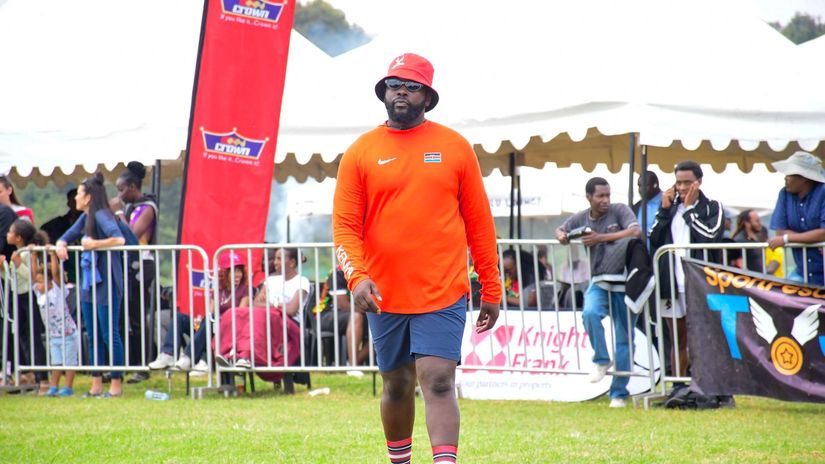
Former Impala RFC coach on how KRU can empower referees




.jpg)




Reading Time: 4min | Thu. 21.05.26. | 13:32
There have been growing concerns over officiating standards in Kenyan rugby, with fans and stakeholders increasingly questioning decisions made during major local fixtures
Kenya Sevens assistant coach Louis Kisia has challenged the Kenya Rugby Union to invest more in referee development, insisting that Kenyan match officials can only improve through exposure to international competitions.
The tactician explained that Kenya already has promising referees coming through the ranks, citing names such as Duncan Kioko, Joseph Mumo, Kevin Wambugu, Victor Oduor, and Saidi Kenya as officials who have shown tremendous growth over the years.
Download our Mozzart Sport app for more news
However, he argued that their progress will remain limited unless they are consistently exposed to high-level competitions outside the country.
“For referees to become truly great, they must work and compete alongside top-level officials. If our referees are not given opportunities to officiate at Rugby Africa tournaments, their growth will be limited because they will only be exposed to the local game and standards,” Kisia told Rogue Rugby TV.
His remarks come at a time when there have been growing concerns over officiating standards in Kenyan rugby, with fans and stakeholders increasingly questioning decisions made during major local fixtures.
One of the matches that sparked widespread online debate was the Kenya Cup clash between Kabras Sugar RFC and Blak Blad RFC, where numerous supporters took to social media to criticise officiating, claiming it had a significant impact on the game.
According to Kisia, international tournaments provide referees with critical learning environments where they interact with assessors, managers and experienced officials from different countries.
“At the international level, you meet managers and assessors who may not know you personally, but who will openly point out your strengths and weaknesses. You also interact with experienced referees from different countries, exchange ideas, and learn ways to improve your officiating. That exposure is extremely important,” he added.
The former Impala RFC coach further emphasised that consistency and regular exposure are central to growth in officiating, just as they are in coaching and playing.
“Success in sport comes from consistency. The more you coach, the better you become. The same applies to referees; the more matches they officiate, especially at the international level, the more they develop,” he explained.
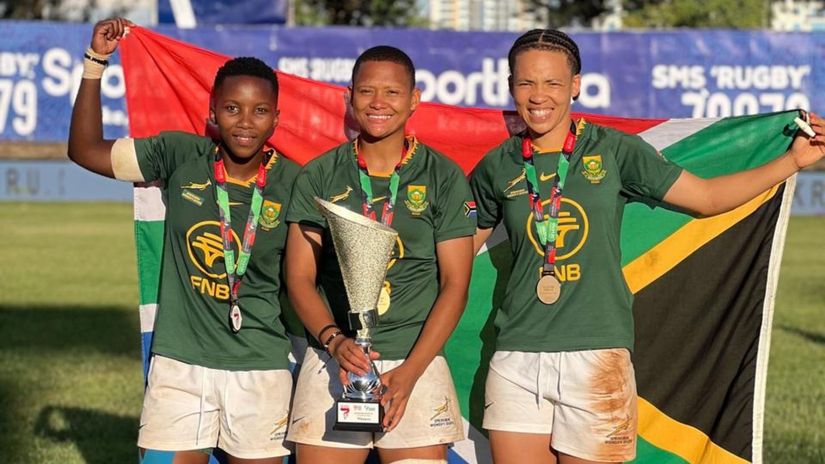
The tactician also expressed concern over the handling of referees during the recent Rugby Africa Women’s Sevens tournament, where the officiating panel consisted entirely of women.
While welcoming women’s involvement in officiating, Kisia questioned why, during the Rugby Africa Women’s Cup held in Kenya last year, no Kenyan female referee was trusted to handle matches as a centre referee, with all of them instead serving as assistant referees.

“In many international tournaments I have attended, local referees are intentionally given opportunities to take charge of matches so they can grow. If there are no suitable local officials, then the opportunity should at least go to a neighbouring country, for example, Uganda,” he said.
He added that referees can only improve if they are trusted with responsibility, even if mistakes occur along the way.
“Sometimes officials may make mistakes, but growth only comes when people are trusted with opportunities,” he noted.
Kisia further criticised the exclusion of male referees from the tournament, saying development should not be approached through strict gender separation.
“At the same time, male referees were completely locked out and reduced to spectators. I believe this approach of separating referees strictly by gender should stop. Male and female referees should learn from each other and grow together,” he said.
He maintained that rugby development is a collective effort that requires support for referees, players, administrators, and unions alike.
“It is worrying that the entire African continent currently has only one referee consistently recognised at the highest level, AJ Jacobs of South Africa. Yet countries like Kenya and South Africa continue competing at elite rugby levels. Referees are simply not being supported and encouraged enough,” he stated.

Kisia, known for his development-focused coaching philosophy, enjoyed a successful spell with Strathmore Leos before joining Impala RFC, guiding the side to two Embu Sevens titles and turning them into one of the most competitive teams on the local circuit.
Since he was appointed assistant coach of Kenya Sevens in August 2023, Kisia has continued to rise in the coaching ranks alongside head coach Kevin Wambua.
The duo helped Shujaa regain their place on the HSBC World Rugby Sevens Series after the team’s first-ever relegation following 23 years as a core side. They also guided Kenya to victory at the Africa Men’s Sevens and Olympic qualifiers, defeating South Africa 17-12 to secure qualification for the 2024 Summer Olympics.
In June 2024, the pair achieved another milestone by leading Kenya back to core status after beating Germany 33-15 in the HSBC World Rugby Sevens Series promotion playoffs.