


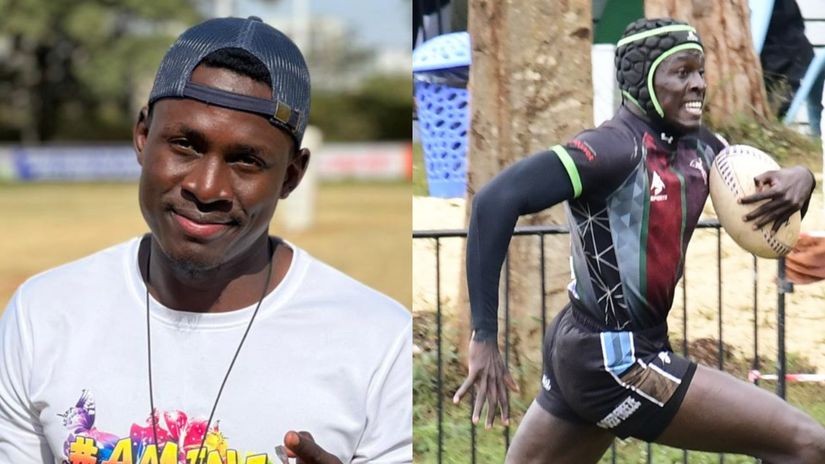
How a player forced into coaching after injury is transforming Harlequin women




.jpg)



Reading Time: 6min | Mon. 11.05.26. | 15:33
The journey is far from over, for both Nyang’ and the Quins Queens. If anything, what they have built so far feels like the beginning of something much larger
In both sport and life, there is an uncomfortable truth that lingers beneath every moment of brilliance; everything can change in an instant.
Download our Mozzart Sport app for more news
For players, whose lives are built on precision, rhythm, and repetition, the illusion of control is often what keeps them going.
You train harder, you prepare better, you push your body to its absolute limits, believing that discipline will protect you. But sometimes, it does not.
Sometimes, all it takes is one mistimed step, one heavy collision, one moment that refuses to pass like all the others, and suddenly the life you have always known begins to slip through your fingers.
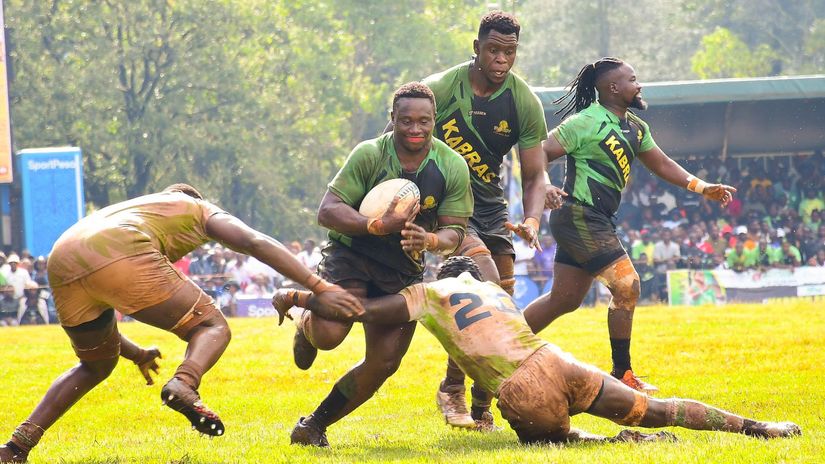
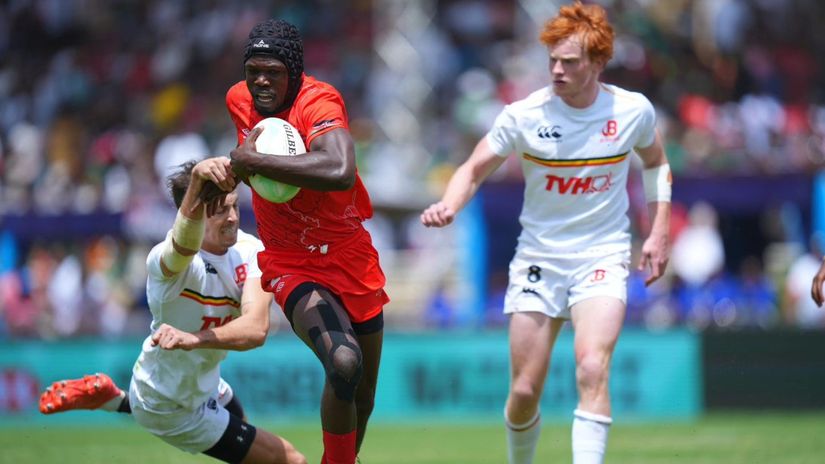
For former Kenya Harlequin dynamic back Leeon Nyang’, that moment did not come with warning signs or a gradual decline. It arrived violently and abruptly, and forced him into a reality many athletes spend their entire careers trying not to imagine.
The afternoon everything changed
It was on Sunday, 24 August, in Embu. The stands were packed as Kenya Harlequin faced Kabras in the fifth-place playoff of the Embu 7s.
For Nyang’, this was familiar territory. But just three minutes into the game, he got the ball.
It was a routine moment, one he had lived through countless times before. But before the move could fully form, the collision came. It was heavy, unforgiving, and different.
The tackle altered the atmosphere entirely. The stadium, once loud and alive, fell into a strange, suffocating silence.
Players slowed, then stopped. First aiders rushed in with urgency that immediately signalled something was wrong. Nyang’ remained on the ground, unmoving.
Among the hundreds watching was his mother, seated in the stands, powerless in a moment no parent is ever prepared for. All she could do was watch as her son was lifted onto a stretcher and taken away from the pitch that had given him so much.
At that moment, no one fully understood what had just happened. Not the medics, not the teammates, not even Nyang’ himself. But in hindsight, that silence carried a finality that words would only later begin to explain.
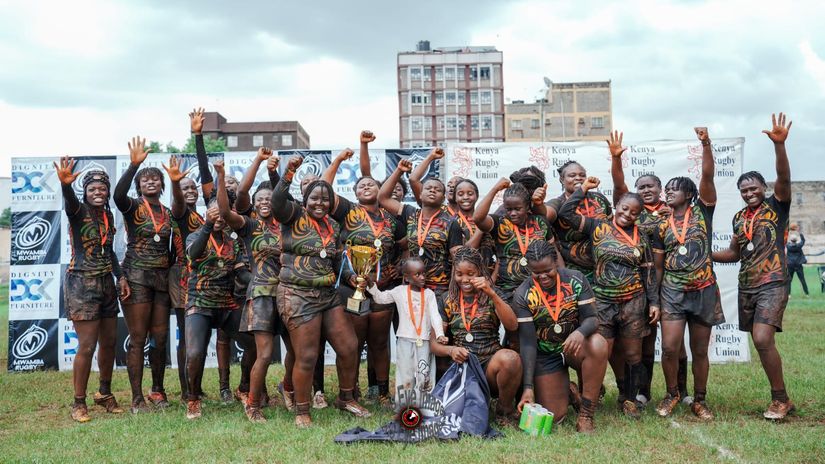
Mwamba 30-20 Quins
— Quins (@KenyaHarlequins) May 2, 2026
Congratulations Kenya Harlequins Women on an amazing 2026 Women’s Kenya Cup Season pic.twitter.com/FtA4lPyT44
That was the last time he would ever play competitive rugby.
A body that had already given too much
What makes that moment even more painful is not just how it ended, but everything Nyang’ had already endured to keep going.
Long before Embu, his body had been fighting battles that were not always visible to the outside world. Since his first concussion in 2016 at St. Joseph Rapogi, he had dealt with seizures, dizzy spells, and memory lapses. Despite that, he persisted.
For two years, he worked his way back, navigating not just physical recovery but the mental weight that comes with repeated setbacks.
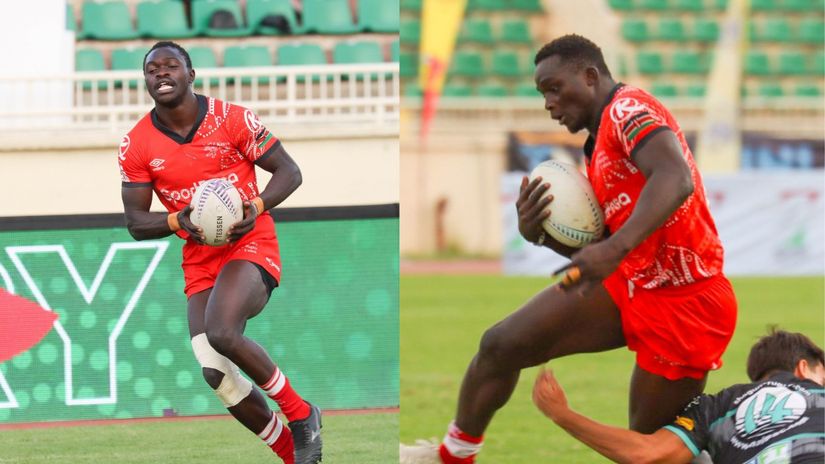
At 2025 Christie 7s, Nyang’ returned brilliantly, scoring five tries, adding six conversions, and reminding everyone, including himself, of the player he had always been.
For a moment, everything made sense again, and the game felt safe.
But Embu took that feeling away.
When the game lets you go
There is a quiet devastation that comes with being forced out of the sport you love, especially when the decision is not yours to make.
Retirement, when chosen, can feel like closure. But when it is imposed suddenly and unplanned, it leaves behind questions that do not have easy answers.
For Nyang’, that reality still lingers in ways that are difficult to fully articulate.
“Yes, it still is at times. There are days I train and even tell Coach Ambaka how my heart still beats for one more run,” he said.
That longing is not just about playing again. It is about unfinished stories and moments that were never meant to end the way they did.
Quins Queens made it to the finals having only played for 2 seasons😎. They are this years Kenya Cup Silver 🥈winners having lost 20-30 to Mwamba. #KenyaCupWomen pic.twitter.com/nAaDwzFTIX
— Kenya Cup (@TheKenyaCup) May 2, 2026
Rebuilding through something unfamiliar
When playing was no longer possible, Nyang’ was left with a choice to step away completely or to find a new way to remain connected to the game.
“Coaching has helped me rediscover purpose in a different light. I’ve learned that being adaptable and open to growth allows me to pass on knowledge and build others,” he reflected.
He began rebuilding, working at the grassroots level with DBA before stepping into a role with the Kenya Harlequin women’s team.
Healing in fragments
Healing, for Nyang’, has come gradually, almost quietly, through the process of working with others and witnessing their growth. There is something deeply restorative about helping someone else become better.
“To a certain degree, yes,” he says when asked if coaching has helped him heal.
“Watching players grow, ask questions, improve, and execute is deeply satisfying. It brings a kind of peace. It’s a brick-by-brick healing process,” he said.
That phrase, brick by brick, captures the reality of his journey. There are no shortcuts, no sudden transformations, just small, consistent steps toward something that feels whole again.
And in many ways, the Quins Queens have become central to that process.
A comeback redefined
In his very first season with the Queens, Nyang’ led the team to the Kenya Cup final, where they narrowly lost 30-20 to Mwamba. On paper, it is a result that suggests a near miss, but for those who understand the context, it represents something far greater.
This was a team still finding its identity, guided by a coach who was doing the same.
“Coaching the Queens has been one of the most beautiful comebacks from my setbacks. The players embraced what we brought in, and their willingness to learn made everything easier,” he said.
More than just rugby
Working with the women’s team forced Nyang’ to grow in ways he had not anticipated.
“It challenges me. It pushes me to think beyond just systems and structure and to consider environment, emotional awareness, and inclusivity,” he said.
That shift has shaped his philosophy of turning rugby into something that is not just about performance, but about people. He now creates a space where players feel safe to grow, to make mistakes, and to prioritise their well-being without fear of losing everything.
“I take player welfare very seriously. We have created an environment where players understand that missing a game due to injury will not ruin their careers,” he offered.
The belief that carried them
The transformation of the Queens has been as much mental as it has been tactical. Belief has become their foundation.
.jpg)
“When players feel understood within a system, they thrive,” Nyang’ said.
He saw it early in the way players absorbed new ideas, and how they returned to training having already refined them. Even in the final, against seasoned opponents, that belief never cracked.
“It was a game of margins. We missed key opportunities, but I was never worried. The girls believed,” he said.
Beyond the jersey
For Nyang’, the lessons he now shares go far beyond the field. Having experienced the fragility of an athletic career firsthand, he places strong emphasis on helping his players understand who they are outside of rugby.
“Rugby systems will only take you so far. Who you are as a person carries you beyond the jersey,” he said.
It is why he positions himself as someone who ensures safety while also encouraging growth beyond the game.
“I protect by ensuring players understand safety and structure. I empower by sharing my story so they see that setbacks don’t define them.”
Still showing up
The journey is far from over, for both Nyang’ and the Quins Queens. If anything, what they have built so far feels like the beginning of something much larger.