


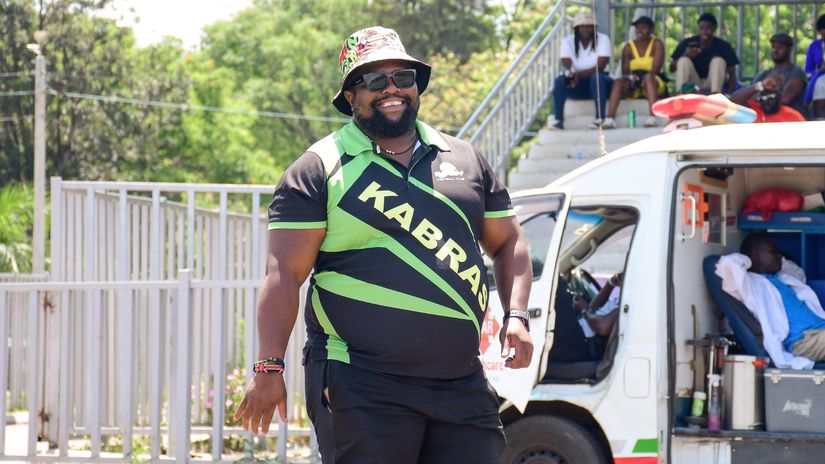
Kabras head coach sounds warning of impeding decline despite 50 consecutive victories






Reading Time: 3min | Wed. 04.03.26. | 19:15
Drawing parallels with global rugby powerhouses, Kaytwa emphasized that dominance in sport is cyclical
Kabras RFC head coach Carlos Kaytwa has raised red flags over his side’s condition, despite the Sugarmen stretching their unbeaten run to a historic 50 consecutive Kenya Cup victories.
Follow our WhatsApp channel for more news
The reigning champions edged Nondescripts RFC 25-8 on Saturday, 28 February, a result that, on paper, strengthened their march toward a potential fifth straight title. However, beneath the milestone lay troubling signs that have left the tactician concerned.
“Look, it was a very bad game; scrappy and disjointed. Mentally, I don’t think our players are in the right space right now. I also feel like we are burning out. We’re running on a reserve tank,” he said in a post-match interview with Scrummage Africa.
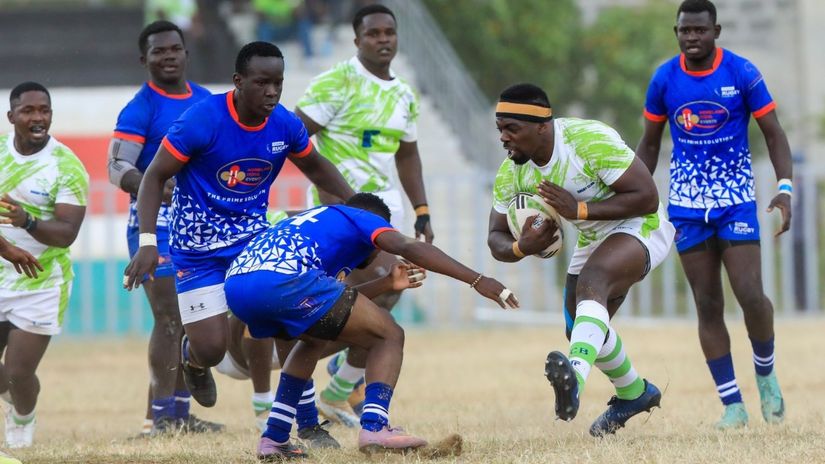
Kabras have dominated the Kenya Cup landscape since the 2021/22 season, winning four consecutive titles unbeaten, and positioning themselves on the brink of a historic five-peat. However, history suggests that sustaining such dominance comes at a cost.
From 1970 to 1974, Impala RFC clinched five straight titles before losing to Nondies in 1975. Between 1978 and 1982, Nondies replicated the feat but fell to Mwamba RFC in 1983. No team has successfully broken the so-called five-peat jinx and maintained supremacy beyond it.
Kaytwa believes his squad may be approaching that historical crossroads.
“To be honest, every great team goes through a cycle. There comes a time when things slow down. I’ve said this before, our time will come again, but maybe it’s not now. I’m not saying we are out of it, but these are clear signs of burnout,” he explained.
Injuries have compounded the situation. The coach revealed that close to nine senior players, including starters and national team regulars, are sidelined.
“Right now, we have close to nine injuries among senior players; starters, national team players. That alone directs you to where the problem is,” he offered.
Among those affected are Brian Mutua, who is nursing a knee issue, and Rayvon Ambale, who suffered a tibia fracture. The squad has also been hit by the retirement of utility back Ntabeni Dukisa and the departure of William Mwanji, while several sevens players remain unavailable due to injuries.
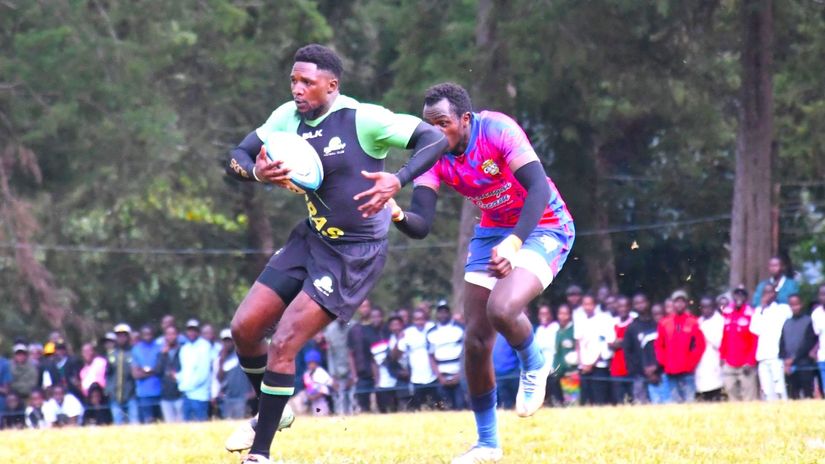
“These are signs of accumulated load on the body. At some point, the body simply says enough,” the tactician pointed out.
Kaytwa was particularly frustrated by his side’s inefficiency in attack against Nondies, pointing to their inability to capitalize inside the opposition’s 22.
“You can even see it in our decision-making. A team of this caliber cannot spend 22 minutes in the opposition's 22, what we call the green zone, and come away with only eight points. That tells you something is not right,” he averred.
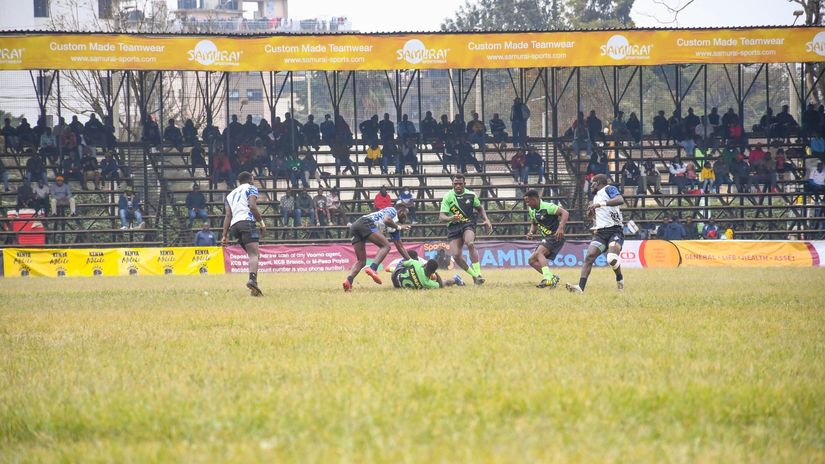
Despite the concerns, the coach maintained his belief in the squad while calling for honest self-reflection within the club.
“But I will still back my boys. I believe in them. However, there comes a time when you need serious introspection. You have to be honest and realistic with yourself. The boys are tired.
It’s not an excuse for playing badly. But we need an honest conversation. We need to go back, reflect, and admit that perhaps the club needs to start thinking about a rebuilding phase,” he expressed.
Drawing parallels with global rugby powerhouses, Kaytwa emphasized that dominance in sport is cyclical.
.jpg) ©Tabby Nashipae
©Tabby NashipaeHe pointed to New Zealand, Australia, and South Africa as examples. New Zealand were once virtually untouchable, winning back-to-back Rugby World Cup titles in 2011 and 2015 and dominating the Rugby Championship for years. Yet, post-2019, cracks appeared with defeats to teams like England, Ireland, and Argentina.
Their win rate declined. In contrast, South Africa have surged back, winning the 2019 and 2023 World Cups, showcasing how cycles of dominance shift.
Australia, too, had its dominant era in the late 1990s and early 2000s, but fell into a decline afterward.
“It’s all cycles. That’s the reality of sport,” he said.
The Sugarmen’s resilience will face a stern examination this Saturday, 7 March, when they take on KCB RFC at the Ruaraka Grounds.