


.jpg)
Lessons learned from the 2025/26 Kenya Cup final






Reading Time: 5min | Thu. 14.05.26. | 21:33
Mozzart Sport attended the final, and here are some key takeaways and areas of improvement we noted
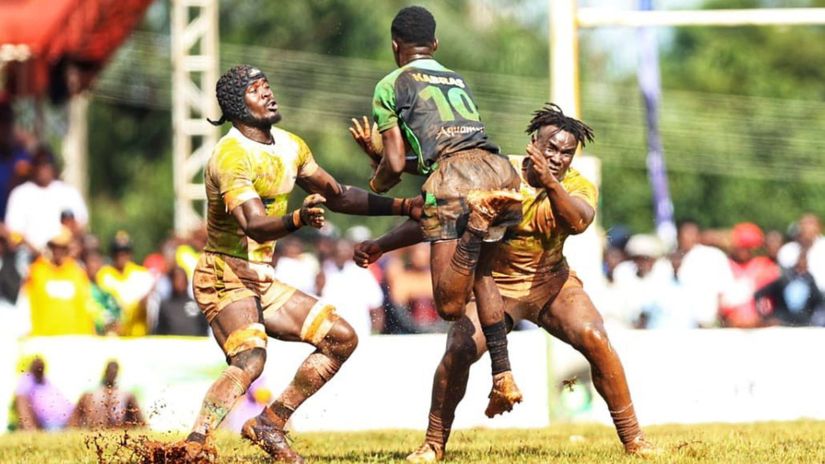
Kabras RFC etched their name deeper into the record books after edging out arch-rivals KCB Rugby 14-8 in a fiercely contested final to secure an unprecedented fifth straight Kenya Cup title on Saturday, 9 May at the ASK Kakamega Showground.
Download our Mozzart Sport app for more news
The victory made Kabras the first team in the modern era to win five consecutive league crowns, joining the legendary dynasties of Impala RFC and Nondescripts RFC, who achieved similar dominance between the 1970s and early 1980s.
Mozzart Sport attended the final, and here are some key takeaways and areas of improvement we noted:
Event organisation still needs improvement
For a competition of such magnitude, the organisation around the final left a lot to be desired.
.jpg)
Kabras have hosted the Kenya Cup final multiple times, meaning there should already be systems in place to manage huge crowds and unpredictable weather conditions.
Yet after the final whistle, there was no podium for the trophy presentation, forcing celebrations and official ceremonies to take place on the muddy pitch.
The lack of proper crowd control also became evident as fans flooded onto the field immediately after the match.
While Kabras’ passionate community support is one of the beauties of Kenyan rugby, it is something organisers should already anticipate and prepare for through increased security and better planning.
The media were also left struggling in difficult conditions. With heavy rains pounding Kakamega throughout the afternoon, journalists had no designated media centre or sheltered working area, making coverage unnecessarily difficult.
We asked Kabras RFC players who they dedicate this Kenya Cup title to, and their responses said it all. 🏆❤️ pic.twitter.com/JVmuzLwsTV
— Mozzart Sport Kenya (@MozzartSportKe) May 11, 2026
Maybe it is time for a bigger venue
The ASK Kakamega Showground is slowly becoming too small for an occasion of this size.
The growth of rugby in Kakamega is undeniable, and with Kabras being the region’s only Kenya Cup side following the relegation of Masinde Muliro University of Science and Technology (MMUST) Rugby Club, the fanbase continues to grow every season.
.jpg)
With regular tickets going for Ksh200, it was always expected that the venue would be packed to capacity. However, once the rains arrived, movement around the venue became chaotic due to mud, congestion and limited space.
Parking, movement of fans, and even internet connectivity became a struggle, raising serious questions about whether the final deserves a larger and more modern venue moving forward.
Other teams are slowly catching up with Kabras
While Kabras are still champions, the margin between them and the chasing pack is narrowing.
A look at their five consecutive Kenya Cup final victories paints the picture:
2022: Kabras 34-28 Menengai Oilers
2023: Kabras 19-9 KCB
2024: Kabras 29-5 KCB
2025: Kabras 27-26 Oilers
2026: Kabras 14-8 KCB
The Stray bullet.....Collins Indeche....#RugbyKe #KabrasSugar #KenyasSweetest #KenyaCupFinal pic.twitter.com/6LjmrgurWA
— Kabras Sugar RFC (@RfcKabras) May 13, 2026
The finals are becoming tighter, and this season’s contest showed that Kabras are no longer overpowering teams with ease.
Without the composure and accuracy of Ntabeni Dukisa from the kicking tee, the result could easily have swung the other way.
That should concern Kabras but encourage the rest of the league, especially KCB and Oilers, who are proving capable of competing toe-to-toe with the champions.
.jpg)
Experience remains Kabras’ biggest weapon
Even after missing most of the season, Dukisa stepped up when it mattered most, calmly slotting nine crucial points to guide Kabras to victory.
That composure under pressure highlighted one major difference between the two sides: experience.
Kabras have built a squad filled with players who are accustomed to winning finals and handling pressure situations.
The likes of Walter Okoth, George Nyambua, Edward Mwaura, Emmanuel Otieno, Teddy Akala and Bryceson Adaka understand what it takes to win such matches.
That winning mentality may currently be Kabras’ greatest advantage over their rivals.
.jpg)
In Kenya Cup finals, kickers decide matches
By now, it is no secret that the Kenya Cup season often reaches its climax during the rainy period.
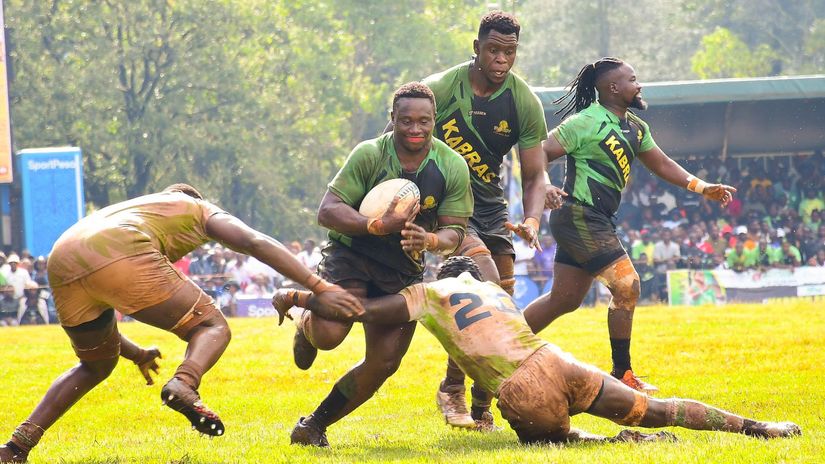
Wet and muddy conditions make expansive rugby difficult, meaning matches are usually decided through discipline, territory and goal-kicking.
That reality was evident again in Kakamega. While KCB’s Brian Wahinya missed several opportunities from the tee, Dukisa converted every scoring chance that came his way for Kabras.
In the end, that proved to be the difference between champions and runners-up.
Kenya Cup needs stronger commercial backing
One of the biggest talking points from the final was the fact that the Kenya Cup champions walked away without prize money.
For a tournament with such a rich history, passionate fans, and growing attention, that remains shocking.
The Kenya Cup final is a marketable product that can attract sponsors if properly packaged. Beyond the regular season, the final itself should be treated as a premium sporting event capable of drawing commercial partners, entertainment sponsors, and fan experiences.
Season done. Heads held high. Two finals in one season and not a single apology for it.
— KCB Rugby Club (@kcbrugby) May 11, 2026
Massive thank you to @KCBInKenya for the unwavering support all season long. None of this happens without you.
To every Lion Hearted Fan who traveled, screamed and believed. pic.twitter.com/y3AFfEmYdR
This year’s final lacked polish off the pitch, from poor sound systems to an underwhelming entertainment setup and the absence of strong commercial partners.
Kenyan rugby can and should do better.
Defence still wins championships
Despite KCB dominating possession and territory for large spells of the first half, Kabras’ defensive discipline kept them in the game.
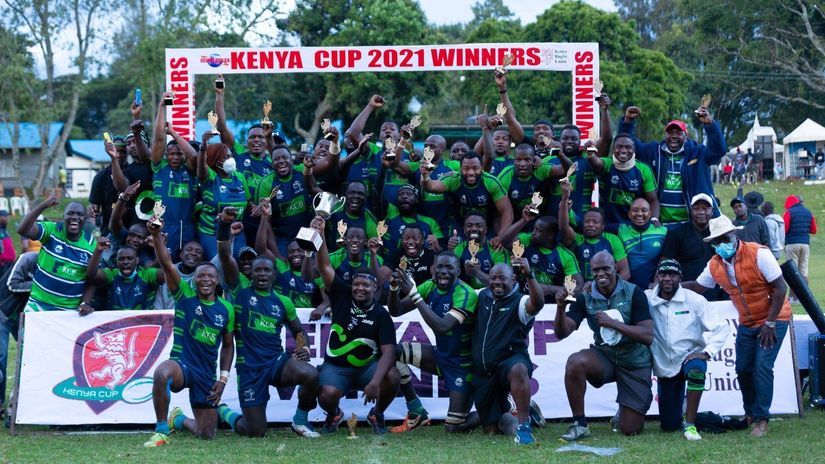
Time and again, the Bankers camped inside Kabras' territory but failed to convert pressure into points due to handling errors and solid defensive organisation from the hosts.
Championship-winning teams understand how to absorb pressure, stay patient, and force opponents into mistakes. Kabras did exactly that.
Even when KCB looked dangerous, Kabras rarely panicked. Their defensive structure allowed them to survive difficult moments before eventually taking control of the match.
Squad depth matters in title races
Kabras’ ability to maintain intensity throughout the match once again highlighted the importance of squad depth.
While KCB started strongly, Kabras looked fresher and more composed in the closing stages, with their experienced bench helping maintain physicality and control.
Over the years, Kabras have built a deep squad capable of handling injuries, rotation, and high-pressure moments without a major drop in quality.
Eric Cantona of Kabras Sugar RFC was crowned the 2025/2026 #KenyaCup top point scorer.
— Kenya Cup (@TheKenyaCup) May 10, 2026
Cantona was able to gather 133 through out the entire season.This came from nine tries and a total of 88 kickable points. pic.twitter.com/Irhd1DGzW4
That depth is one of the major reasons they have remained dominant across multiple competitions and seasons.