


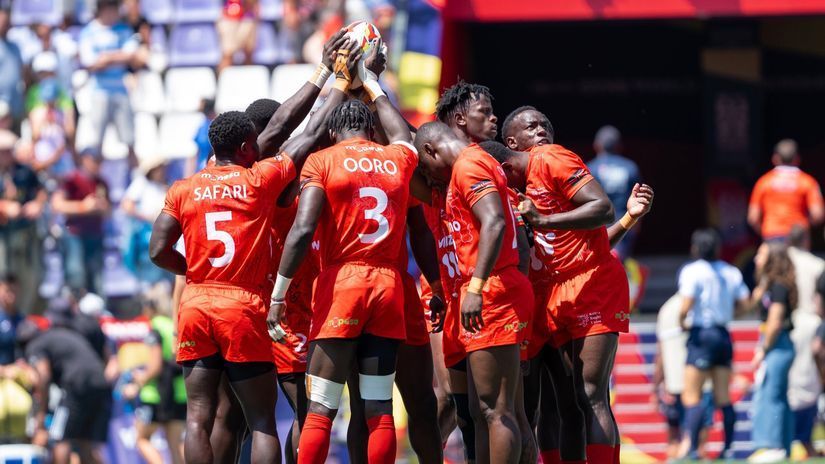
Nine key lessons learned from Kenya Sevens' World Championship campaign
.png)







Reading Time: 6min | Fri. 12.06.26. | 09:00
The disappointment of relegation will linger, but the lessons from their season may ultimately prove more valuable than the results themselves
When the dust settles on Kenya Sevens' heartbreaking relegation to the HSBC SVNS 2, the temptation will be to focus on the final standings.
Download our Mozzart Sport app for more news
Many will remember the single point that separated Shujaa from survival. Others will point to the United States' dramatic comeback victory over Fiji in Bordeaux, which ultimately condemned Kenya to relegation.
But doing so would ignore the bigger picture.
The 2026 season provided Kenya with something far more valuable than a place in the standings. It offered a clear picture of where the team stands in relation to the world's elite and what must be done if Shujaa are to not only return to the top division but also establish themselves there.
The gap was not necessarily one of talent. If anything, Kenya proved they have players capable of producing moments of brilliance against any opponent. The problem was that at the highest level, talent is only one piece of a much larger puzzle.
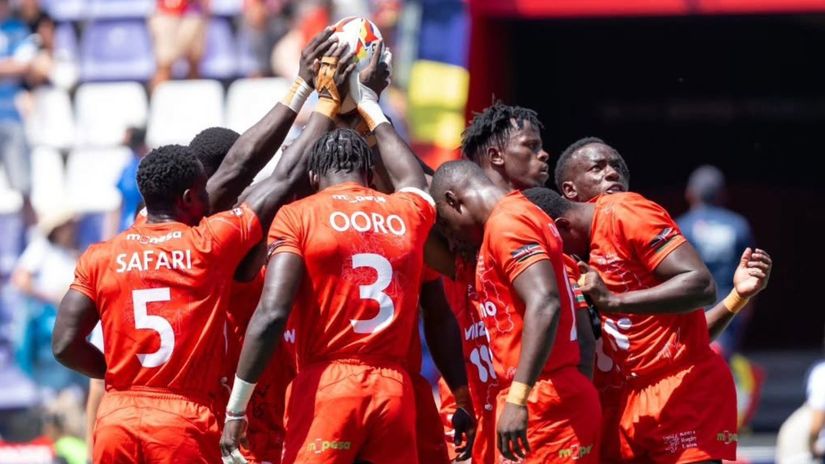
Talent alone is not enough
Kenya have never struggled to produce talented rugby players. Throughout the season, Shujaa showcased speed, flair, and the ability to score spectacular tries. Individual players often produced moments that reminded fans why Kenya remains one of the most exciting teams in world sevens.
However, the World Championship Series demonstrated that talent alone rarely wins tournaments. Against teams such as Fiji and South Africa, the difference was not necessarily in individual ability but in how effectively that ability was integrated into a system. The top teams combined skill with superior tactical awareness, structure, and decision-making, which Kenya struggled with.
The Fiji match in Bordeaux was particularly revealing. Their switches in attack, support lines, breakdown efficiency, and defensive organization showed the importance of technical excellence. Kenya had talented players on the field, but the top level showed what happens when talent is combined with years of refinement and elite preparation.
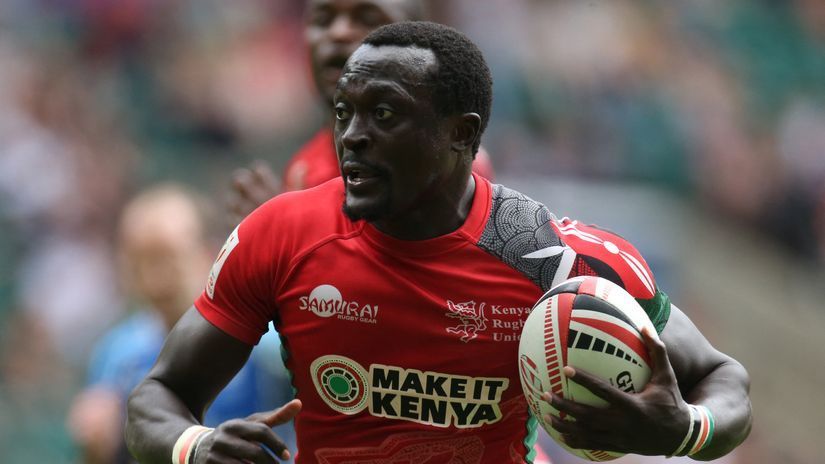
Squad depth remains a major challenge
One of the biggest issues exposed during the campaign was Kenya's lack of depth in key positions.
The injury to fly half Nygel Amaitsa in Valladolid illustrated this perfectly. Amaitsa had become the team's chief organizer, controlling the pace of games and directing attacking movements. His absence left a noticeable gap that became evident during the France leg.
Jackson Siketi stepped into the role and worked tirelessly, but the drop in game control showed that Kenya currently lacks enough players capable of seamlessly filling critical positions.
Elite nations can lose key players and continue operating at a high level because they have multiple athletes ready to step into the system. Kenya's challenge is building a wider talent pool so that injuries or unavailability do not significantly affect performance.
Game management is crucial at the elite level
At the highest level, matches are often won by teams that make the smartest decisions rather than the most spectacular plays.
Throughout the World Championship Series, Kenya occasionally found themselves chasing games because of poor decision-making in critical moments. Whether it was failing to maintain possession, forcing unnecessary offloads, or making tactical errors under pressure, those mistakes were often punished immediately. The three losses to South Africa showed just that.
Developing more game managers in the squad will be essential for Shujaa if they are to compete consistently against the world's best.
Conditioning and physical preparation matter
Sevens rugby is one of the most physically demanding sports in the world.
The elite teams are not only skilled but exceptionally conditioned. They are capable of maintaining speed, intensity, and concentration over multiple matches and across an entire tournament weekend.
Kenya showed they could compete with top teams in short spells, but maintaining that level for entire matches often proved difficult. During the Hong Kong leg, they held South Africa but eventually fell 22-26 in the final minutes. The final leg also exposed where SnC improvements should be made.
Consistent exposure to top opposition is necessary
There is no substitute for playing against the best teams in the world.
The World Championship Series exposed the benefits enjoyed by teams that regularly compete at the highest level. The speed of decision-making, intensity of contact situations and tactical complexity of matches are difficult to replicate in domestic competitions.
Kenya's qualification campaign through SVNS 2 was impressive, but the step up to the World Championship Series was significant.
More international friendlies, high-performance camps and opportunities to compete against elite nations would accelerate player development. The more often Kenyan players experience top-level rugby, the more comfortable they will become operating in that environment. By now, Kenya is the second-best rugby nation in Africa, after South Africa. Friendlies with either the Blitzboks or more experienced international teams will play a great role.
Strong systems outperform reliance on individuals
One of the clearest lessons from the season came from observing teams such as South Africa.
The Blitzboks repeatedly demonstrated the value of having a clearly defined system. Regardless of who was selected, the team maintained its identity and standards.
Kenya, on the other hand, often appeared heavily reliant on the performances of certain individuals. When key players were available and performing well, Shujaa looked dangerous. When injuries occurred or opponents successfully targeted those players, the team's overall effectiveness declined.
The world's best teams are system-driven. Every player understands their role, and replacements can slot in without disrupting the team's structure. Developing that level of continuity should be one of Kenya's primary objectives moving forward.
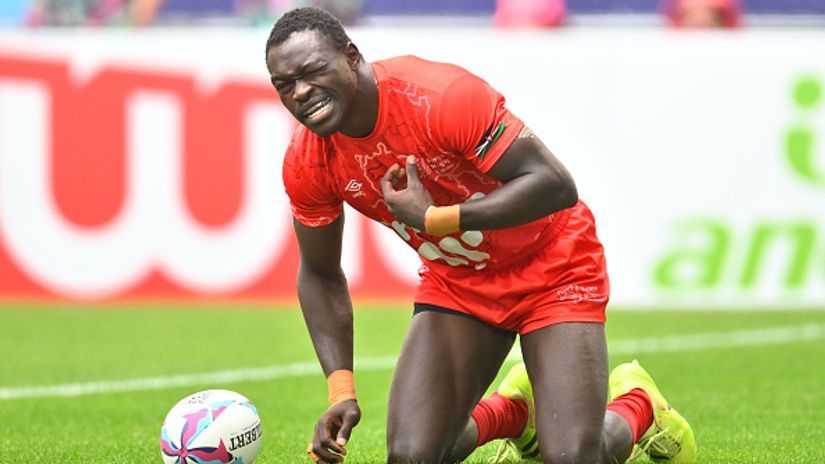
Investment in player development must increase
If Kenya is serious about becoming a permanent fixture in the top division, investment in player development must become a priority.
The country has an abundance of raw talent emerging from schools, clubs, and community rugby programmes. The challenge is creating a pathway that consistently transforms those players into international-level athletes.
Strengthening youth programmes, supporting clubs, expanding talent identification initiatives and creating more high-performance opportunities would help ensure a steady flow of players capable of competing at the highest level.
The future success of Shujaa will depend not only on the current squad but also on the players who are being developed today.
Small margins determine success and failure
Perhaps the most painful lesson from the season is how little separates success from disappointment.
After months of travelling and competing across multiple continents, Kenya's fate was decided by the finest of margins. The difference between survival and relegation ultimately came down to a single point in the standings.
Had one result gone differently or had Kenya secured a few additional points during the season, the outcome could have changed entirely.

Qualification is only the first step
Kenya's journey from SVNS 2 to the World Championship Series was a remarkable achievement and deserves recognition.
However, the campaign also revealed an important truth: that qualifying for the top division and staying there are two completely different challenges.
Promotion requires determination and talent. Survival requires depth, conditioning, systems, experience, and sustained excellence.
Shujaa proved they are capable of earning a place among the world's best. The next challenge is ensuring they have everything required to remain there when the opportunity arises again.
The disappointment of relegation will linger, but the lessons from this campaign may ultimately prove more valuable than the results themselves. If Kenya can address the shortcomings exposed during the World Championship Series, this setback could become the foundation for a stronger return.