


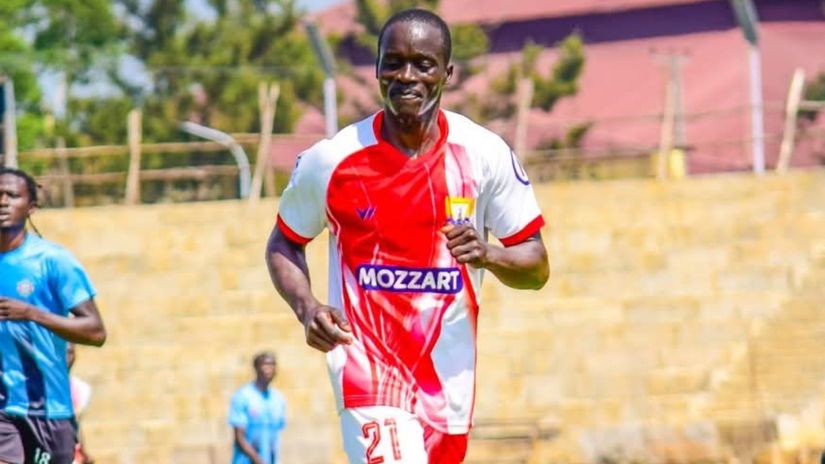
Can Kakamega Homeboyz' great gamble on veterans land maiden league title?



Reading Time: 6min | Tue. 28.07.26. | 20:12
The current rebuild appears more carefully curated, deeper in quality and perhaps better aligned with the vision of its head coach
The scale of Kakamega Homeboyz' recruitment this transfer window invites an unavoidable question: is this finally the year the club stops merely competing with Kenya's traditional giants and genuinely attempts to become one?
Download our Mozzart Sport app for more news
The answer, as history suggests, is unlikely to be straightforward. Over the past few weeks, Homeboyz have assembled one of the most experienced squads in recent FKF Premier League history.
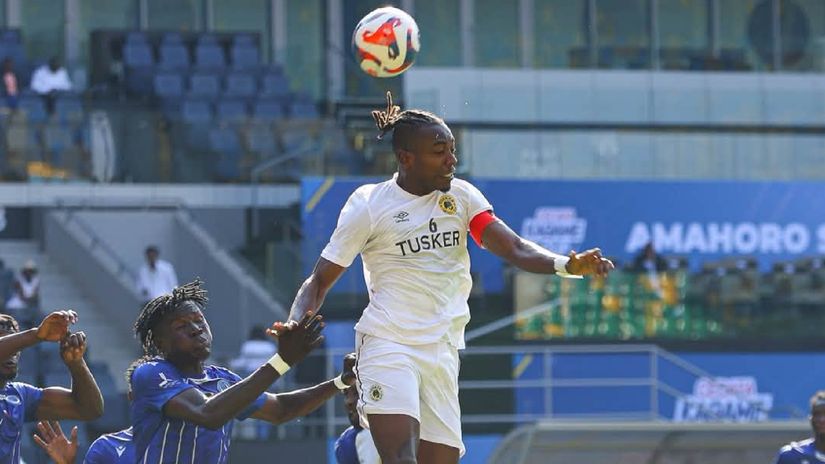
Charles Momanyi has returned to the club nearly a decade after first making his name in Kakamega before embarking on a trophy-laden journey that took him to Gor Mahia, Tusker and the Kenyan national team.
_(1).jpg)
Geoffrey 'Simiti' Ochieng has made the bold decision to leave behind the Gor Mahia captaincy for a fresh challenge under Edward Manoah.
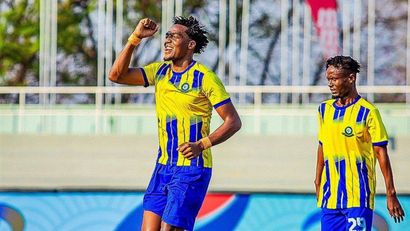
Maurice Ojwang arrives after broadening his horizons in Tanzania with Tanzania Prisons, while the electric Boniface Omondi, affectionately known as "Bajaj" for his blistering pace, adds another dimension to an already formidable attack that will also have former Tusker marksman Ibrahim Joshua.
Collectively, they represent far more than new signings. Between them sit well over 10 FKF Premier League titles, several domestic cup triumphs, continental football experience and hundreds of appearances at the highest level of East African football.
These are players who have experienced title races, dressing room pressure, CAF competitions and the unforgiving expectations that come with playing for clubs where finishing second is viewed as failure.
That experience is difficult to quantify on a balance sheet but often priceless over the course of a 34-match campaign.
Yet football history—particularly Homeboyz's own history—offers an important warning.
The lesson from 2018
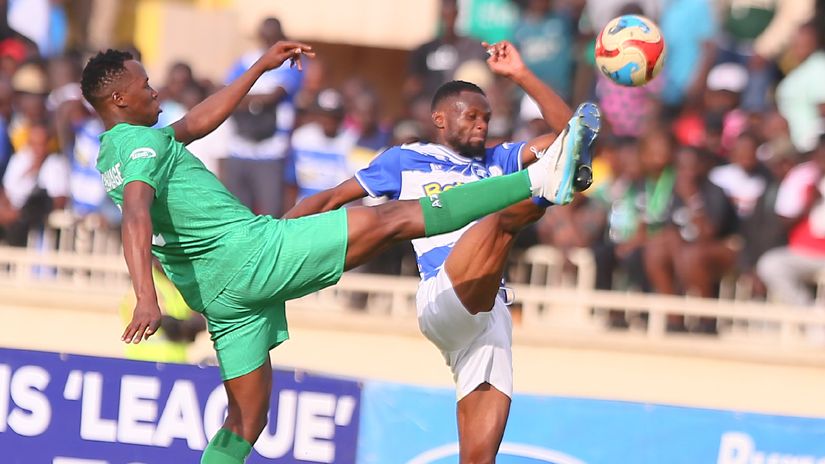
This is not the first time Kakamega Homeboyz have turned to experience. Ahead of the 2018 season, the club unveiled a recruitment drive that generated similar excitement.
Allan Wanga arrived carrying the reputation of one of Kenya's greatest forwards. James Situma brought leadership and versatility after years at the top level. Noah Wafula joined as another established international.
On paper, it looked like the foundation of a side capable of challenging anyone. Reality proved more complicated. Despite flashes of quality, Homeboyz struggled to blend the seasoned professionals with the youthful core that had previously defined the club.
Chemistry took time to develop, expectations rose faster than performances, and consistency proved elusive. By season's end, the club finished tenth—a respectable campaign by some standards but nowhere near the lofty ambitions that accompanied those marquee arrivals.
It became a reminder that assembling accomplished footballers and constructing a championship-winning team are rarely the same exercise.
Experience alone cannot guarantee success.
The difference this time
There are, however, compelling reasons to believe this project may unfold differently.
Perhaps the most significant is Edward Manoah. Unlike previous rebuilds, the current Homeboyz side appears to have been assembled with a singular football philosophy rather than opportunistic recruitment.
Manoah has already demonstrated an ability to maximise young talent, while several of his latest additions are players he knows intimately.
Timothy Ndayala, for instance, previously flourished under Manoah during his formative years before the pair reunited at Mara Sugar.
Such familiarity shortens adaptation periods and creates immediate trust between coach and player. The same can be argued for the wider recruitment strategy.
Rather than signing ageing stars nearing retirement, Homeboyz have targeted players who remain capable of influencing games weekly. Momanyi still commands authority in defence.
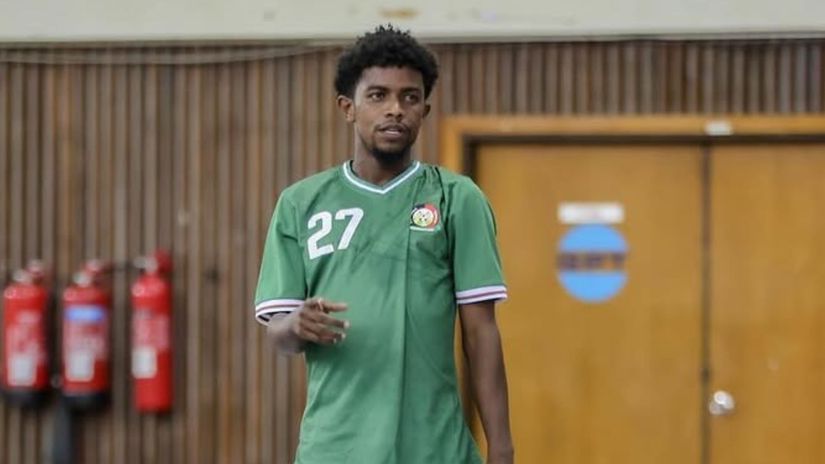
Geoffrey Ochieng is entering what many would consider the peak years for a left-back. Ojwang returns with valuable international experience, while Boniface Omondi's pace remains one of the league's most feared weapons. This is experience with legs still capable of carrying it.
Winning championships is rarely about tactical systems alone. Often, titles are decided in moments when panic threatens to overwhelm a dressing room.
How does a team respond after two consecutive defeats? Who speaks when a young defender makes a costly mistake? Who demands higher standards in training when complacency begins creeping into a successful run? These are situations where experienced footballers justify their recruitment.
Momanyi understands what it takes to navigate pressure after years at Gor Mahia and Tusker. Geoffrey Ochieng has lived with the burden of captaining Kenya's biggest club, where every draw is dissected and every mistake amplified.
Players like Ojwang and Omondi have encountered contrasting football cultures that inevitably broaden perspective. Young players absorb these habits almost by osmosis.
Championship teams are often built as much through conversations in changing rooms as they are through coaching sessions on training grounds.
The Allan Wanga blueprint
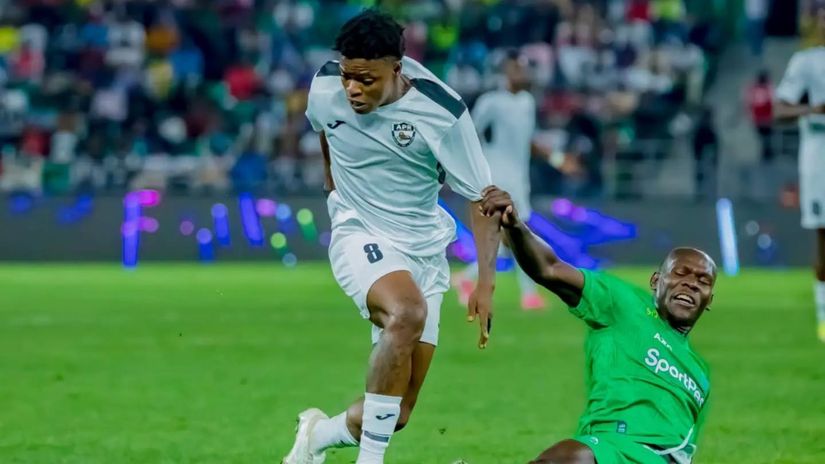
Ironically, the strongest argument for optimism may come from Allan Wanga's own Homeboyz story. Although the 2018 experiment fell short of expectations, Wanga's influence did not disappear.
Season after season, his leadership became increasingly evident. Younger teammates developed around him. Standards rose. Belief gradually replaced survival instincts.
Four years after arriving in Kakamega, Wanga helped guide Homeboyz to within touching distance of a historic league title and clinched the Golden Boot in 2019, sharing it with Enosh Ochieng and Umaru Kasumba.
They, however, ultimately lost the championship by the narrowest of margins, but the transformation had been remarkable.
It proved something important. Experienced footballers do not always produce immediate returns. Sometimes their greatest contribution is cultural rather than statistical. Winning mentalities take time to spread.
Can Homeboyz accelerate the process?
That is perhaps the fascinating question surrounding the 2026/27 campaign.
![Government issues fresh Kamariny Stadium construction update [PHOTOS]](https://cdn3.mozzartsport.co.ke/upload/825x464/News/Image/2026_07/1785162784891_753306632_1709267580289694_5967014750247813131_n.jpeg)
Unlike 2018, Homeboyz are no longer outsiders merely hoping to establish themselves in the Premier League. They have become consistent top-flight competitors, developed better organisational structures and cultivated an identity as a club willing to challenge traditional heavyweights.
The recruitment therefore feels less like a gamble and more like the final layer of an evolving project.
If Manoah successfully integrates his experienced arrivals without disrupting the hunger and energy of the club's younger players, Homeboyz could possess one of the league's most balanced squads.
Defensively, they appear significantly stronger.
In midfield, experience should improve game management. In attack, Ibrahim Joshua and Boniface Omondi offer directness capable of unsettling even the league's best backlines.
Perhaps most importantly, the squad suddenly contains numerous players who know precisely what lifting league trophies requires.
The pressure of expectation
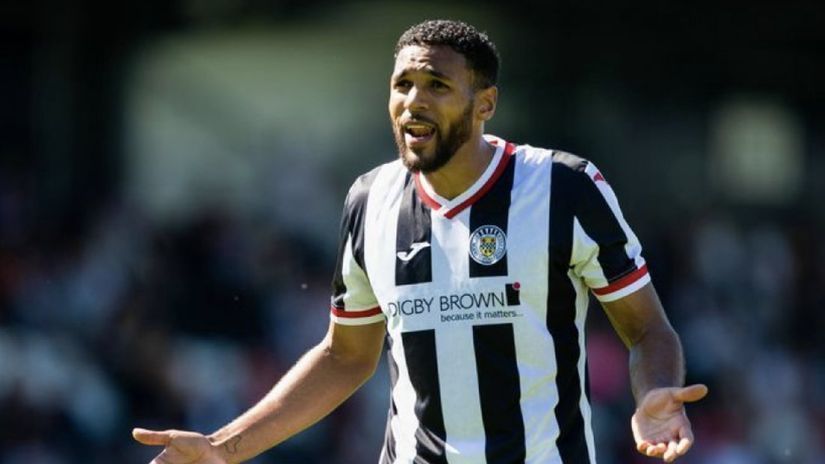
Success, however, creates its own complications. Homeboyz will no longer enjoy the luxury of surprising opponents. Every visit to Bukhungu, Mumias Sports Complex or away fixture across the country will now carry heightened expectations.
Rivals will study them more closely. Opposing coaches will view defeating Homeboyz as a statement result. Handling that psychological shift may become just as important as winning tactical battles. The experienced recruits understand this reality. The younger players must learn it quickly.
A defining season
For chairman Cleophas Shimanyula, the transfer activity sends a clear message of intent. Years of gradual progression appear to have given way to outright ambition.
Yet Kenyan football has repeatedly demonstrated that ambition alone does not deliver championships. Cohesion does. Consistency does. Timing does.
Homeboyz's previous flirtation with experienced recruitment offers both encouragement and caution. The 2018 project stumbled before eventually laying foundations that almost delivered a league title through Allan Wanga's enduring influence.
The current rebuild appears more carefully curated, deeper in quality and perhaps better aligned with the vision of its head coach.
.jpg)
Whether that translates into silverware remains impossible to predict.
What is certain, however, is that Kakamega Homeboyz have entered the 2026/27 FKF Premier League conversation differently from ever before. They are no longer simply a club adding experienced names.
They are a club attempting to compress years of championship know-how into a single dressing room.
If history repeats itself, success may require patience. If history evolves, the rest of the FKF Premier League may soon discover that Homeboyz's greatest signing was not any one player, but the collective belief that winning is no longer an aspiration—it is an expectation.