


The Stallion rages against FIFA 'injustice'
.jpg)

Reading Time: 3min | Thu. 16.10.25. | 18:37
Burkina Faso defender was vocal about the rules under which Nigeria went through
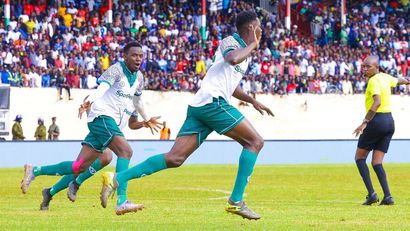
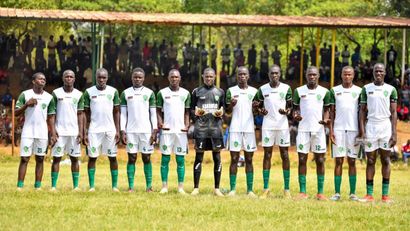
Burkina Faso maintained realistic hopes of reaching the playoffs for the 2026 World Cup until the very last round. The Stallions entered the final matchday level on points with Nigeria on the list of runners-up but with a significantly better goal difference. However, everything ultimately came down to the “Super Eagles,” who played their match a day later than Burkina Faso, which had already defeated Ethiopia 3–1. Osimhen and his teammates took full advantage of that situation. With a convincing 4–0 victory over Benin — exactly the margin they needed — Nigeria jumped at the last moment to fourth place on the runners-up list, the final position leading to the playoffs, and in a dramatic twist, kept their World Cup dream alive.
🇧🇫 Burkina Faso beat Ethiopia 3-1 and celebrated in the dressing room, thinking they were through as one of the best 2nd-placed teams.
— Micky Jnr (@MickyJnr__) October 14, 2025
But heartbreak struck because they missed out, conceding 7 goals compared to Nigeria’s 6.#WCQ #AfricaQualifiers #SuperEagles pic.twitter.com/qDe81OUabF
Burkina Faso, despite finishing with four points more than Nigeria, ended up just below the cut. The reason lies in the competition format: one group contained only five teams, and it would have been unfair to compare points directly since teams in that group played eight instead of ten matches. Therefore, it was decided that, for all other groups, points won against the bottom team would not count. Burkina Faso had earned a total of 21 points, and Nigeria 17, but Nigeria collected only two points against the last team in their group, while Burkina Faso won all six. As a result, both teams had 15 points in the adjusted runners-up standings, but Burkina Faso’s goal difference was one goal worse than Nigeria’s (after removing the matches against the bottom sides).
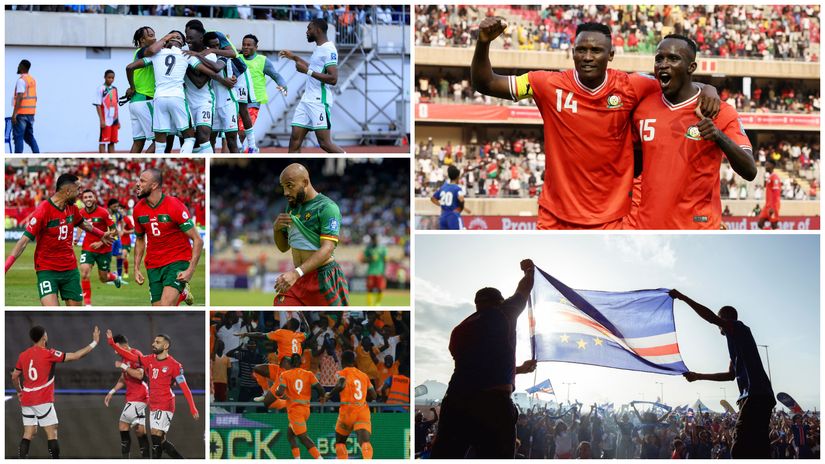
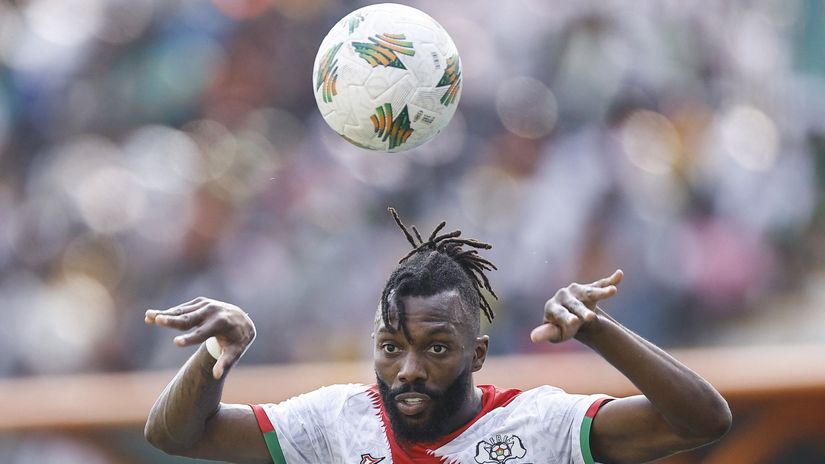
That small detail was enough to trigger a wave of frustration within Hubert Velud’s team, particularly from veteran defender Steeve Yago, who sharply criticized CAF and FIFA after the match, calling the qualification system “illogical and unfair”.
“Honestly, it’s strange: you win your matches against the weakest team in your group, and yet Nigeria is ahead of you, even though they didn’t even beat Zimbabwe, the bottom side in their group. Apparently, beating the last-placed team is too conventional. Thank you, CAF and FIFA! With my career coming to an end, I’ll soon study the system so I can criticize it properly” he wrote on his X account.

His remarks sparked intense reactions throughout Burkina Faso. Fans shared the same sense of injustice, arguing that the team had played with discipline and maturity, only to be denied by tiny margins — goal difference — that sent Nigeria, not them, to the playoff. Throughout the campaign, Burkina Faso had shown consistency, but lacked a bit of sporting luck in crucial matches. In a country where football is one of the few sources of collective pride, this outcome hit hard. For the 32-year-old defender, who has been a symbol of reliability in Burkina Faso’s back line for more than a decade, this may well have been his final World Cup qualifying cycle in national colors. In the end, to be fair, CAF didn’t have much choice: since one group had five teams, it would indeed have been unjust to compare their points directly with teams who played more matches. That’s why the decision was made to exclude points earned against the bottom team in every other group. So, it’s hard to say whether Yago is right or not.