


KHU introduces mandatory penalty corner safety rules ahead of 2026 season








Reading Time: 4min | Tue. 05.05.26. | 12:12
The regulations further extend beyond the initial execution of the penalty corner, addressing player conduct immediately after the set piece
The Kenya Hockey Union (KHU) has introduced stringent safety regulations ahead of the 2026 season, making the wearing of protective face masks during penalty corners mandatory across all its competitions.
The directive, confirmed in official guidelines circulated to stakeholders, stems from resolutions made during a team managers and captains meeting held in March, where player welfare emerged as a central concern.
Download our Mozzart Sport App for more news
The Union has framed the move as a necessary intervention to mitigate the risks associated with one of hockey’s most dangerous phases of play.
Under the new regulations, all defending players are required to wear face masks throughout the duration of every penalty corner.
Play will not resume until defenders have fully equipped themselves, with umpires instructed to stop the clock to allow adequate time for players to put on protective gear.
The restart will only be signaled once both attacking and defending teams are deemed ready, ensuring that safety is not compromised in the interest of speed or competitive advantage.
The guidelines place significant responsibility on match officials to balance game flow with player protection.
Umpires have been directed to prioritize safety above all, even if it requires extending preparation time for defenders.
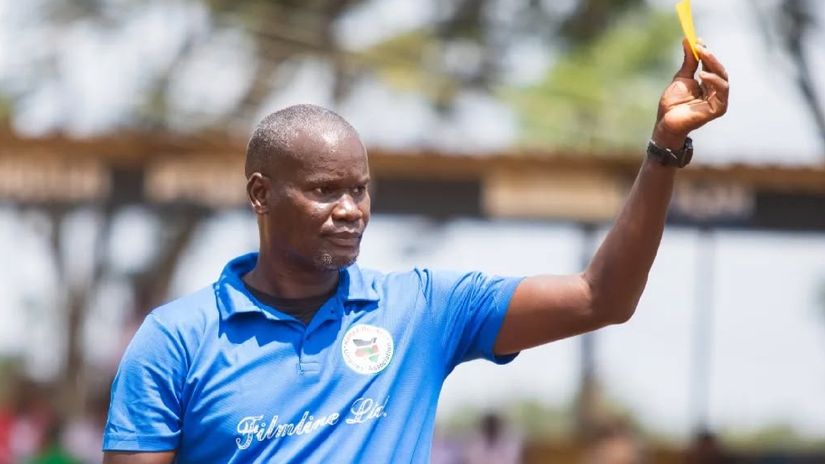
However, the Union has also taken a firm stance against gamesmanship, empowering umpires to penalize intentional delays.
Players found responsible for such delays risk personal sanctions, beginning with green cards and escalating to yellow cards for repeat offences.
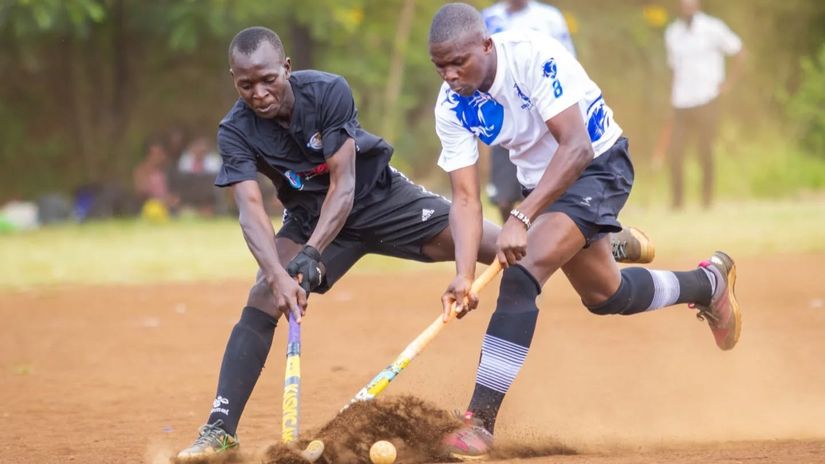
In cases where a penalized player is part of the defending unit, their team will be forced to defend the penalty corner with reduced numbers.
The regulations further extend beyond the initial execution of the penalty corner, addressing player conduct immediately after the set piece.
Defenders are allowed to remove their face masks only when it is safe to do so, but any premature removal before the first shot at goal will result in the penalty corner being retaken.
Where no safe opportunity exists to remove the equipment, players may continue wearing it within the 23-metre area, though they are required to remove all protective gear before exiting that zone or when instructed by the umpire.
KHU has also outlined specific restrictions on how players can participate in open play while still wearing protective equipment.
A defender who regains possession may make an immediate pass but is prohibited from taking a self-pass.
Any infringement of this rule will result in a free hit or, if committed within the circle, the awarding of another penalty corner.
.jpg)
Moreover, only the player executing the pass is allowed to engage with the ball while wearing protective gear; teammates are barred from interfering until they have removed their equipment.
The Union has taken an equally firm position on discipline and safety regarding discarded equipment.
Any instance where the ball strikes protective gear left on the field after a penalty corner will lead to a turnover, with the severity of the sanction depending on the location of the incident.
More serious consequences are reserved for reckless behaviour, particularly where a player throws protective equipment and causes contact with an opponent, official, or spectator.
Such actions are categorized as dangerous and negligent, carrying immediate disciplinary sanctions including yellow cards and the possibility of further punitive measures depending on the level of risk posed.

In situations where play must be stopped due to such incidents, the restart is clearly defined within the guidelines, with decisions based on the position of the ball at the time of interruption.
These structured responses are designed to ensure consistency in officiating while reinforcing accountability among players.
The introduction of these measures signals a decisive shift by KHU toward stricter enforcement of safety protocols, aligning domestic hockey with evolving international standards.
As teams prepare for the 2026 season, the new regulations will not only influence tactical approaches to penalty corners but also demand greater discipline and awareness from players in high-pressure scenarios.

With the season set to begin on 23 May, the effectiveness of these guidelines will come under immediate scrutiny, particularly in how seamlessly they are integrated into match situations.
For KHU, however, the priority is clear: safeguarding players while preserving the competitive integrity of the game.