


Why World Athletics will remain tough on athletes switching nationalities


.jpg)

.jpg)
.jpg)



Reading Time: 3min | Mon. 04.05.26. | 07:54
The Nationality Review Panel concluded that such moves undermine the principles of fair competition and the development of homegrown talent
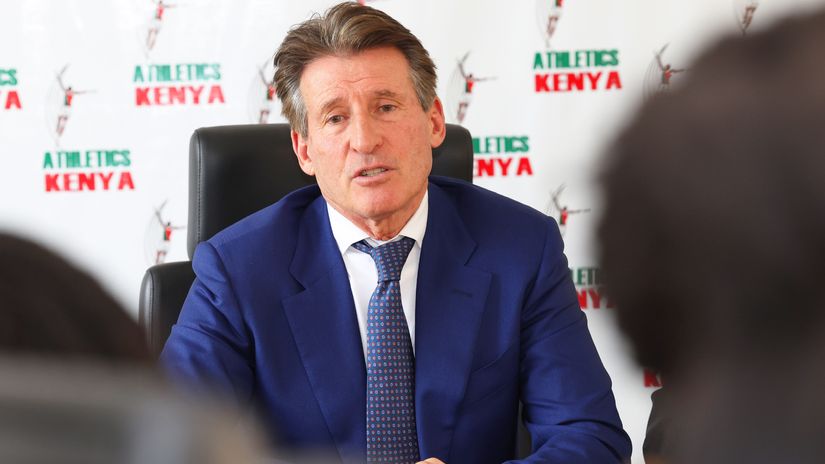
World Athletics President Sebastian Coe has reaffirmed his hardline stance on athletes switching nationalities, insisting that the integrity of global athletics depends on competitors representing the countries where their careers began.
Speaking at a press conference during the World Athletics Relays in Gaborone, Botswana, Coe made it clear that the governing body will not soften its position, especially in cases driven by financial incentives rather than genuine personal ties.
Download our Mozzart Sport App for more news
“The concept is very simple, there should be a very clear understanding and philosophy that the country an athlete starts their career in is the country that they finish their career in,” Coe said.
His remarks come in the wake of World Athletics blocking a high-profile attempt by several elite athletes, including Kenyans and Jamaicans, to switch allegiance to Turkey ahead of the 2028 Olympic Games in Los Angeles.
Former marathon world record holder Brigid Kosgei was among the five Kenyans affected by the decision, alongside Ronald Kwemoi, Catherine Amanang’ole, Brian Kibor, and Nelvin Jepkemboi.
The group had been linked to lucrative offers from Turkey as part of an ambitious strategy to strengthen its medal prospects.
The Nationality Review Panel ruled that the applications were part of a coordinated recruitment effort backed by the Turkish government, designed to fast-track nationality switches through financial incentives.
The panel concluded that such moves undermine the principles of fair competition and the development of homegrown talent.
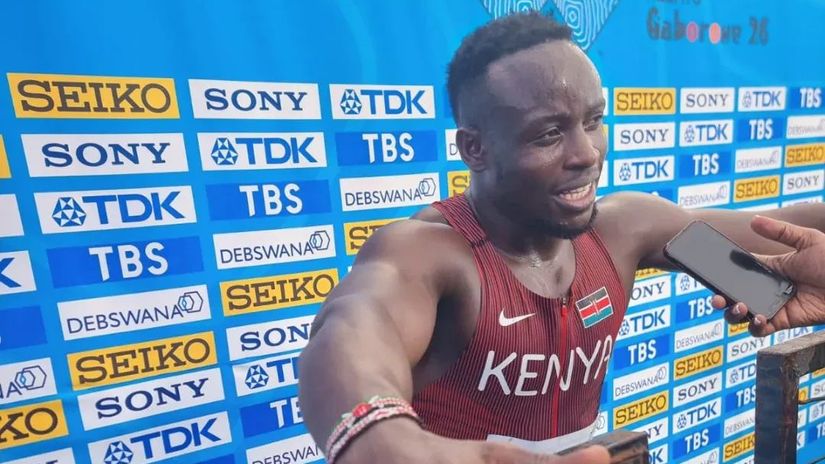
Coe echoed those concerns, stressing that international championships must retain their identity as national contests rather than becoming showcases of recruited talent.
“For global championships to have meaning and to have understanding, people need to witness championships where you have national-based competitions,” he said.
While acknowledging that some nationality switches are legitimate, such as those arising from marriage or political circumstances, Coe drew a firm line against transfers motivated purely by opportunity or financial gain.
“If it is simply about wanting to move from one federation to another, that doesn't fall into that criteria. We will remain tough,” he added.
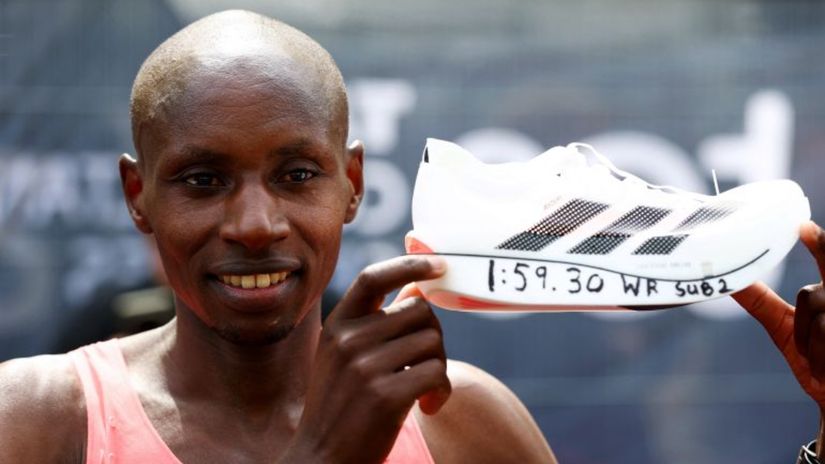
The World Athletics boss also warned that unchecked athlete migration could have long-term consequences for the sport’s global structure, particularly in countries that invest heavily in nurturing talent.
“Most federations rely very heavily on government investment, and government investment will dry up if those governments think that they are investing in talent programmes for other countries,” Coe explained.
The issue has become increasingly prominent as nations seek to bolster their Olympic prospects through naturalisation.
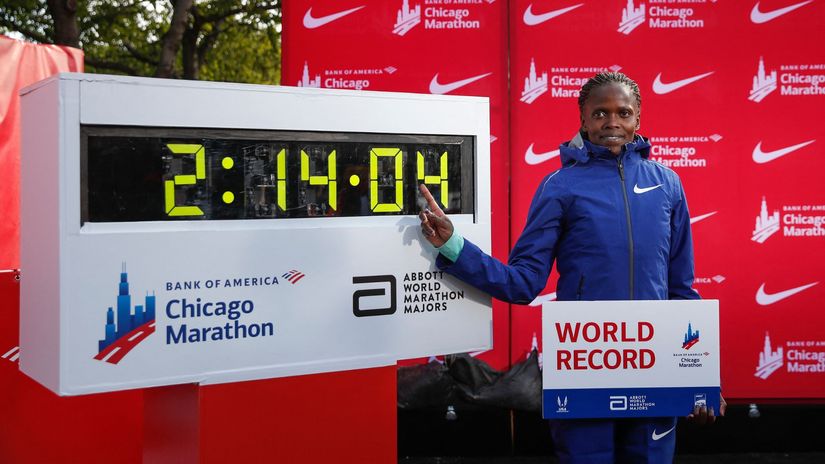
However, not all athletes are willing to make the switch.
Botswana’s Olympic 200m champion, Letsile Tebogo, recently revealed he turned down offers from Qatar, the United Arab Emirates, and Tunisia, opting to remain loyal to his home country despite financial incentives.