


.jpg)
Eight defining takeaways from the 2026 FIFA World Cup




.jpg)
Reading Time: 5min | Tue. 21.07.26. | 13:31
After weeks of intense competition, Spain were crowned world champions, edging defending champions Argentina 1-0 in a gripping final to lift their second FIFA World Cup title
The 2026 FIFA World Cup once again lived up to its reputation as football's biggest and most prestigious stage, uniting the world's finest players and nations in a month-long spectacle that delivered drama, quality and valuable lessons both on and off the pitch.
For the first time in the tournament's history, 48 nations competed across the United States, Canada and Mexico, ushering in a new era for the global showpiece.
Download our Mozzart Sport App for more news
After weeks of intense competition, Spain were crowned world champions, edging defending champions Argentina 1-0 in a gripping final to lift their second FIFA World Cup title.
Beyond the battle for the trophy, the tournament offered a revealing insight into the modern game.
From evolving tactical approaches and standout individual performances to team structures, coaching philosophies and football governance, the World Cup provided a compelling snapshot of where the sport is headed.
Mozzart Sport brought readers comprehensive coverage throughout the tournament.
In this piece, we take a look at eight of the biggest lessons the 2026 FIFA World Cup left behind.
Defensive organisation
If the 2026 FIFA World Cup reinforced one footballing truth, it is that titles are still built on defensive excellence.
.jpg)
Spain's triumph will deservedly be remembered for its slick passing, technical superiority and relentless control of possession.
Yet beneath that attacking flair lay an exceptionally disciplined defensive structure that formed the backbone of their championship-winning campaign.
Luis de la Fuente's side combined defensive organisation with a possession-based approach that denied opponents both the ball and meaningful opportunities.
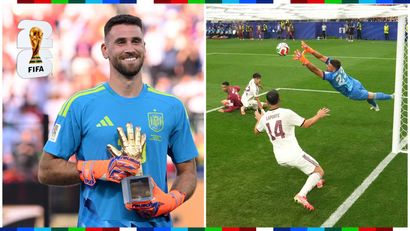
The result was remarkable: Spain conceded just once in eight matches, underlining the effectiveness of their all-round game.
The final offered perhaps the clearest example of that dominance. Spain completely neutralised Lionel Messi's Argentina, restricting the defending champions to just three shots in total and none on target—a defensive masterclass on football's biggest stage.
The same resilience had been on display in the semi-finals, where Spain silenced one of the tournament's most feared attacks.
Despite France boasting the formidable trio of Kylian Mbappé, Ousmane Dembélé and Bradley Barcola, La Roja once again stood firm to book their place in the final.
Sir Alex Ferguson's timeless quote that "attack wins you games, defence wins you titles" rang true once more. Spain, however, added a modern twist to that philosophy, demonstrating that dominating possession is itself one of the most effective forms of defending.
Squad depth key to winning tournaments
The 2026 FIFA World Cup showed that squad depth is essential for success in major tournaments.
Teams with quality options beyond their starting eleven progressed further than those that relied on the same players throughout the competition.
Champions Spain had strength across the squad, with players coming off the bench maintaining the team's level whenever called upon.
With injuries, suspensions and fatigue common over the month-long tournament, countries with limited depth struggled to cope.
Those with stronger squads were able to rotate without compromising quality, giving them a crucial advantage.
The tournament once again proved that winning a World Cup requires more than a strong starting XI—it demands quality across the entire squad.
Tactical flexibility outweighs star power
The 2026 FIFA World Cup showed that tactical flexibility is just as important as individual talent.
While teams maintained their playing identity, those that adapted to different opponents enjoyed greater success.
Spain remained committed to their possession-based approach but adjusted their tactics depending on the challenge.
Against France's pacey attack, they prioritised defensive stability, while against less threatening opponents they dominated possession and committed more players forward.
They also varied their attacking approach, switching between midfield combinations, direct balls to the forwards and wide overloads, particularly down the left through Marc Cucurella and Nico Williams.
Argentina also adapted by relieving Messi of most defensive duties, allowing him to conserve energy and influence matches in attack.
England, meanwhile, showed balance in possession and against deep-lying opponents, although their defensive approach in the closing stages of the semi-final defeat to Argentina attracted criticism.
The tournament proved that while star players can decide matches, tactical flexibility is often what wins them.
Blend of youth and experience unmatched
Spain's World Cup-winning squad showed the value of balancing youth with experience.
Experienced players such as: Rodri, Cucurella, Dani Olmo, Fabián Ruiz and Unai Simón provided leadership and composure, while youngsters like Lamine Yamal and Pau Cubarsí brought energy.
That balance enabled Spain to control matches, remain composed under pressure and raise the tempo when required.
The tournament once again showed that while experience helps teams navigate decisive moments, youthful energy provides the intensity needed to sustain success.
Mental strength is as important as technical ability
The World Cup reinforced that technical quality alone is not enough at the highest level.
All 48 teams had the ability to compete, but mental resilience often made the difference.
Several African nations were criticised for failing to protect leads despite dominating large spells of matches, conceding late after losing concentration.
England suffered a similar fate in their semi-final defeat to Argentina, while Argentina repeatedly demonstrated resilience by coming from behind to eliminate both Egypt and England.
The tournament showed that concentration, composure and resilience are just as important as technical ability.
Emerging football nations closing gap
The 2026 World Cup showed that the gap between traditional powers and emerging football nations continues to narrow.
Cape Verde impressed on their World Cup debut, including holding eventual champions Spain to a goalless draw, while DR Congo also earned praise for their performances.
Norway, inspired by Erling Haaland, marked their return to the global stage with an impressive campaign.
Their performances suggest the competition will be even stronger heading into the 2030 FIFA World Cup.
Effective substitutions can change matches
The tournament highlighted the impact of substitutions, with several matches decided by changes from the bench.
Senegal coach Pape Thiaw and England's Thomas Tuchel faced criticism after substitutions that failed to influence crucial defeats.
Spain, however, repeatedly benefited from their bench. Mikel Merino scored decisive goals against Portugal and Belgium after coming on, while Nico Williams combined with Ferran Torres for the extra-time winner in the final.
The World Cup once again showed that timely and effective substitutions can determine the outcome of matches.
Sustainable football development pays dividends
The tournament also reinforced the importance of long-term football development.
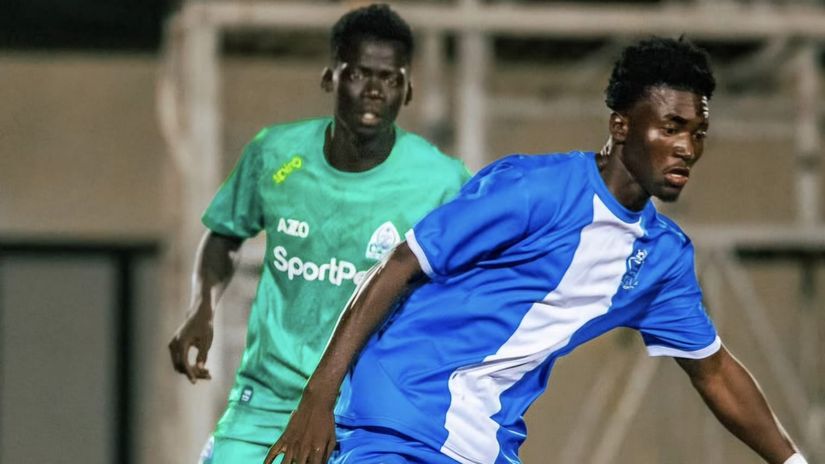
The most successful nations benefited from strong youth systems that continue to produce players capable of fitting seamlessly into the senior team and maintaining a clear football identity.
For African nations, the lesson is clear. While foreign-born talent remains valuable, greater investment in sustainable youth development will be key to building teams capable of consistently competing for football's biggest prizes.