


.png)
PLAYER COMPARISON: How Shariff Musa and Ronald Sichenje are redefining wing play

.jpg)

Reading Time: 8min | Thu. 09.04.26. | 13:54
In a league defined by compact low blocks, transitions, and physical duels, these two wingers have carved out distinct yet overlapping identities as multifaceted attackers
The electrifying wingers of FKF Premier League, Shariff Musa of Gor Mahia and Ronald Sichenje of AFC Leopards, embody the archetype of the Roadrunner: those relentless, high-volume ball carriers who progress through wider channels with explosive speed, acting as release valves for their teams, while gliding past opponents with an urgency that leaves defences scrambling.
Follow our MozzartSport App For More News
In a league defined by compact low blocks, transitions, and physical duels, these two wingers have carved out distinct yet overlapping identities as multifaceted attackers.
Musa, with his searing pace and zigzag bursts, and Sichenje, with his shifty dribbling and intelligent half-space rotations, both stretch opposition structures, manufacture scoring chances, and inject verticality into their sides’ attacks.
Yet their styles – rooted in the same DNA - diverge in execution, decision-making, and synergy with team systems, offering a fascinating tactical contrast that underscores what makes each tick on the pitch.
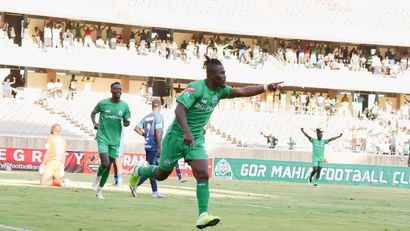
Musa’s game is a study in explosive progression and disciplined versatility, a lightning bolt in Gor Mahia’s high-tempo setup that prioritises quick transitions and overloads on the flanks.
Operating primarily from the left wing, Musa glides across the grass like a cheetah in full sprint, his top-end speed not merely a weapon, but an amplifier for subtle body feints and directional changes that unbalance full-backs.
In Gor Mahia’s system, which often sees the left-back Bryton Onyona or Levin Joseph bomb forward randomly in overlaps, Musa drops into the left half-space with positional discipline, creating pockets of space while drifting centrally, as the box-to-box midfielder Jackson Dwang shifts wide.
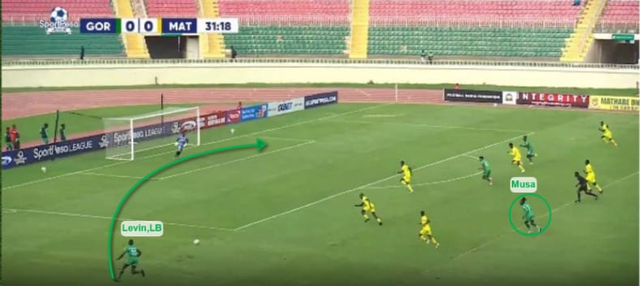
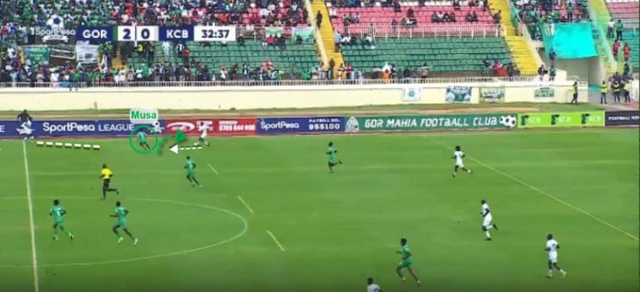
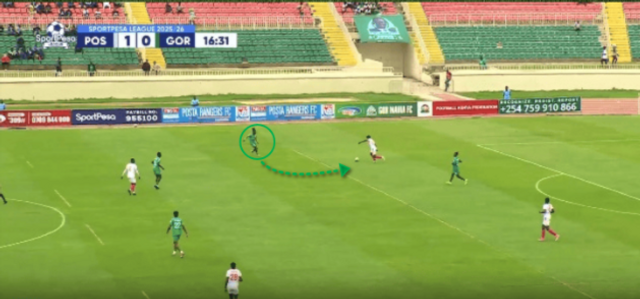
This tactical awareness shapes the team’s structure profoundly: by luring opposition center-backs out of position or curving his pressing runs to block passing lanes, Musa becomes the first line of pressure, forcing turnovers that fuel Gor Mahia’s counter-attacks
His five goals and five assists this season—topping the club’s goal contributions—paired with 28 chances created before a recent clash against Shabana illustrate his impact: he manufactures high-quality opportunities through sheer verticality, always “on his bicycle” with pulsating speed when the team surges forward.
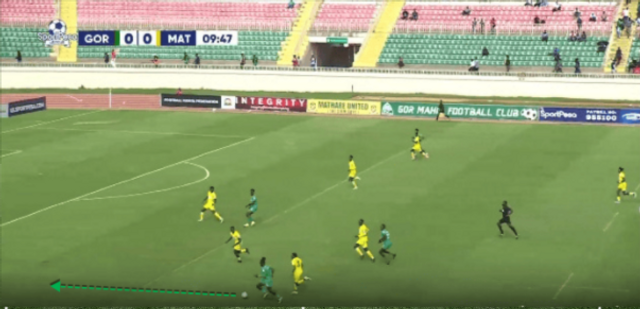
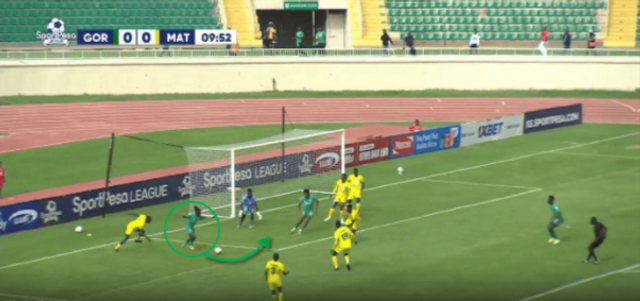
Analogous to a Formula 1 driver threading through traffic, Musa’s ability to carry at the right pace supports the team’s structure, drawing pressure on himself before slipping precise passes to overlapping teammates, or cutting inside for darting runs that pierce central defences via low crosses and cutbacks.
Musa's relentless work rate off the ball and proactive recovery sprints transform him into a two-way threat that most wingers aspire to be.
He tracks back into the final defensive line when needed.
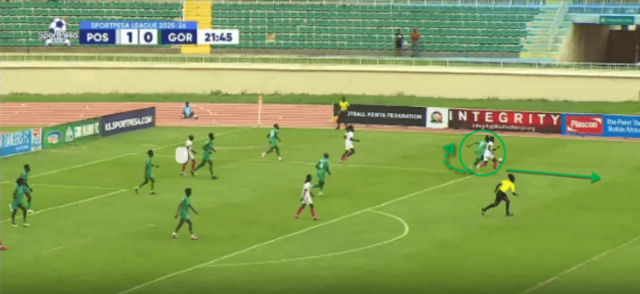
Assists in regains that often spark Gor Mahia’s own transitions, and interchanges flanks with right-winger Samuel Kapen after a period of play to introduce an element of unpredictability.
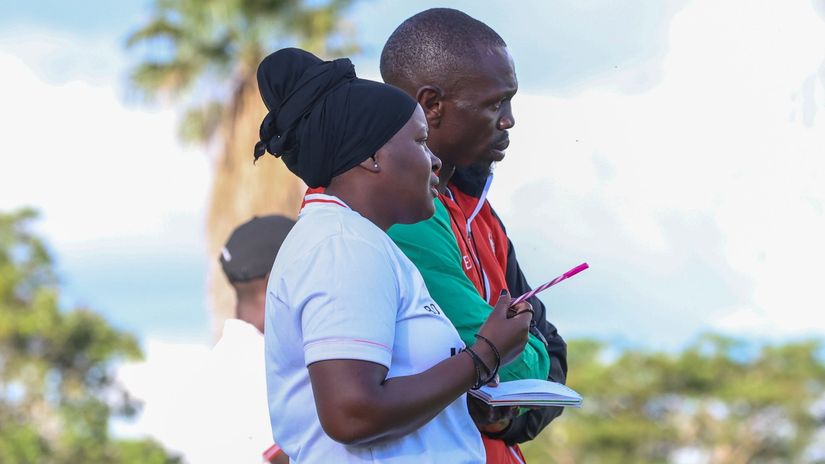
This fluidity interplays seamlessly with Gor Mahia’s attacking philosophy, where full-back overlaps and half-space receptions exploit compact blocks.
Musa’s excels at outside-to-in runs from the opposite side, attacking balls whipped in from the right.
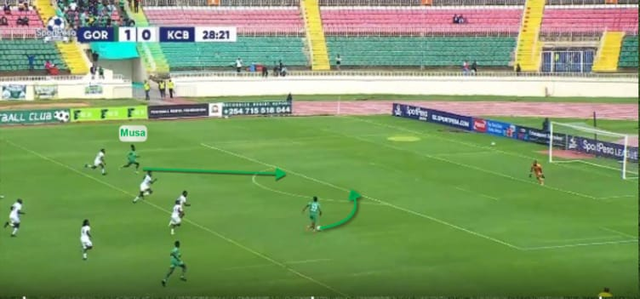
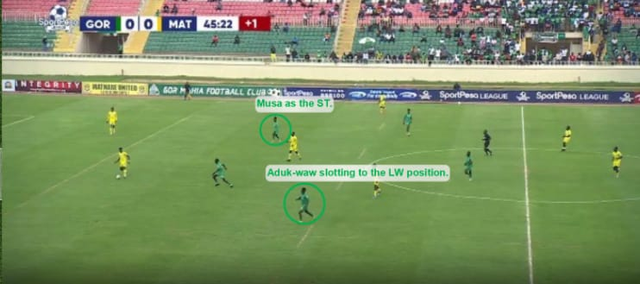
And even slots into a striker role when teammate Ebenezer Adukwaw starts up top, switching positions with him to boost productivity through his foul-winning prowess in dangerous zones
Defenders cannot match his lightning-quick take-offs after directional shifts, making him unplayable against less athletic full-backs.
Yet his multifaceted game shines brightest in link-up play and combination sequences with the full-back, building attacks on the flank with good ball-handling in both shooting and passing.
On the pitch, Musa paints a vivid picture of controlled chaos. This shifty carrier is relentlessly direct, not through raw 1v1 mastery, but by drawing markers and advancing play to fit the collective.
His creativity lies in timing: dropping deep to lure defenders, then exploding forward to create vertical progression options that stretch the entire defensive unit.

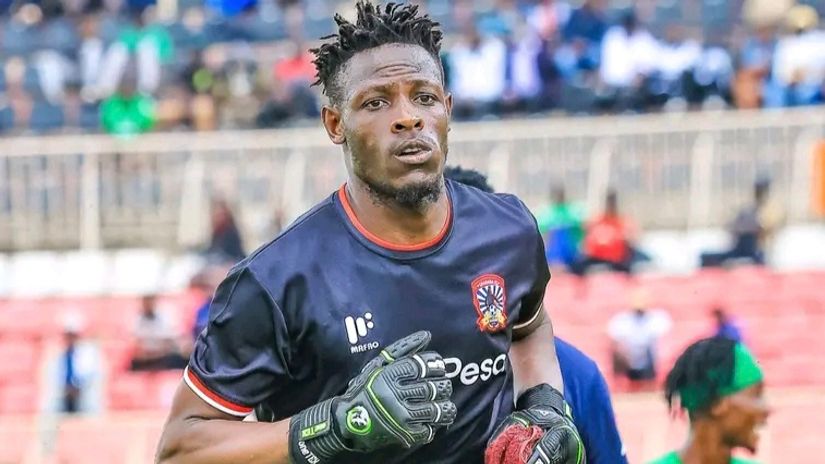
In contrast, Ronald Sichenje of AFC Leopards operates as a more nuanced winger, blending high-volume ball-carrying with smooth, effortless combination play and intelligent off-ball movement that forces hurried decisions from opponents.
With 28 successful dribbles across 22 matches, while leading his team in touches inside the opposition box, Sichenje’s game revolves around recognizing pressing cues and attacking space with cunning rather than outright explosive bursts.
He prefers the outside channel when coming from the flank, manufacturing shots from tight angles after beating full-backs, but slots frequently into the left half-space to grant overlapping license to left-back Samuel Semo.
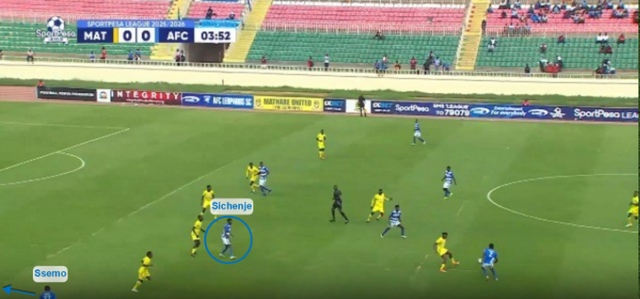
This mirrors Musa’s facilitation of overlaps yet feels more deliberate: Sichenje’s body shape curves to force opposition right-backs into backward passes, creating recovery runs that bolster defensive duties while his constant off-ball running – capped by a tireless work rate – generates chances as much through defensive contributions as direct attacks.
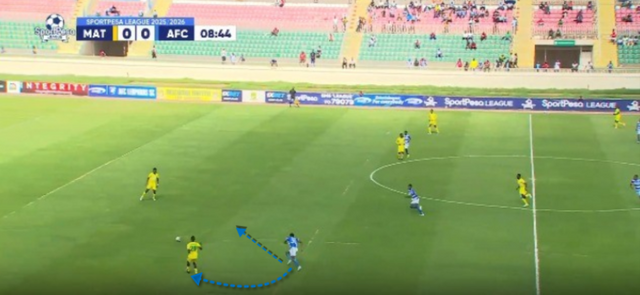
AFC Leopards’ system, which emphasizes wide attacks and set-piece exploitation, thrives on this interplay; Sichenje’s smooth touches and combi play with the full-back enhance structural fluidity, allowing the team to progress through large spaces with sprinting speed that, while not Musa-level explosive, sustains relentless pressure.
Sichenje’s tactical awareness elevates his decision-making, particularly in crashing the blindside of the box before defenders check shoulders, or curving pressing runs to block goalkeeper distribution to wide center-backs in the defensive third.
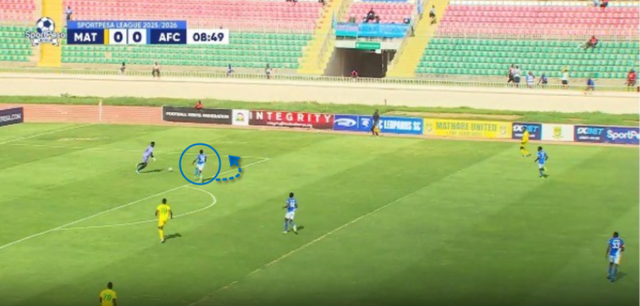
Like a fox navigating a henhouse with sly precision, he presses intelligently, creating turnovers that translate into scoring opportunities. His mental resilience shines when possession is lost – he chases relentlessly without casual lapses - interplaying perfectly with the Leopards’ counter-pressing ethos.
Great set-piece execution, especially free-kick crosses from the left flank near the penalty area, adds a creative dimension with varied trajectories that stretch defenses aerially.
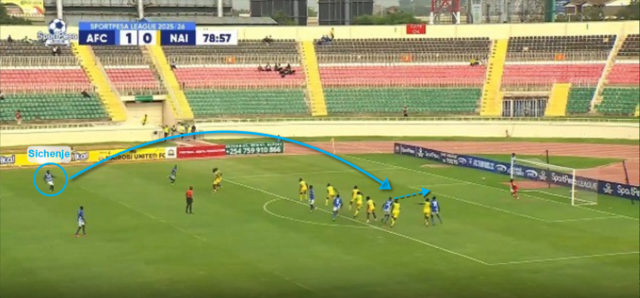
Yet where Musa dazzles in transitions and vertical darts, Sichenje excels in sustained build-up, his wide-attacker profile generating opportunities through positional rotations that force opponents into tough choices.
On the pitch, he cuts a composed figure amid chaos: gliding with pace that augments skill rather than defining it, embodying the disciplined winger who tracks back and wins balls high up, turning defensive recoveries into immediate attacking threats.
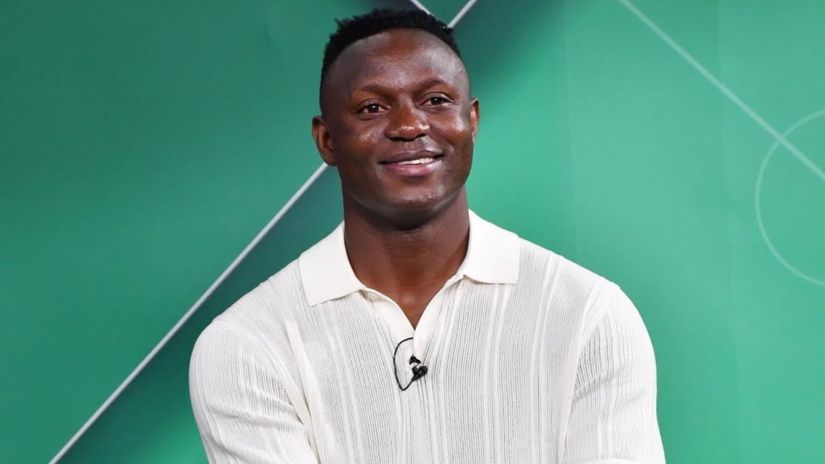
Comparing the pair head-to-head reveals complementary strengths and subtle contrasts that highlight their unique ticks.
Both are Roadrunners at heart – elusive, direct carriers who augment pace with shifty technical dribbling and proactive tracking – but Musa’s electrifying speed and immediate high-tempo shifts make him the ultimate transition weapon, unbalancing non-athletic full-backs and winning fouls in between-the-lines pockets, whereas Sichenje’s 28 dribbles and preference for outside routes lean toward sustained 1v1 mastery and shot creation in tighter angles.
Musa’s higher goal tally (5 vs. 2) and chance-creation volume stem from his versatility – interchanging sides, dropping deep, even playing striker – interplaying with Gor Mahia’s more fluid, high-pressing system to create overloads and vertical options against compact blocks.
Sichenje, conversely, leads in box touches and set-piece crosses, his intelligent pressing and off-ball relentlessness shaping Leopards’ structure toward patient flank exploitation and blindside arrivals. fostering a system where full-back overlaps become lethal through his half-space discipline.
Work rates align in their defensive recoveries and pressing efforts, yet Musa’s recovery sprints often yield counters directly, while Sichenje’s mental resilience prevents lapses, adding calmness under duress - though both could refine composure near the byline for pinpoint cutbacks.
Creativity and technical skills further differentiate them. Musa’s excellence lies in ball-carrying tempo that supports team structure, subtle body positioning to glide past markers, and two-footed link-up that generates fouls and progression; his potential growth areas - sharper 1v1 beating, lofted crosses from the opposite wing, and decision-making in tight spaces under pressure - could elevate him from electrifying to unguardable.
Sichenje’s smooth touches, effortless combination play, and crossing variations from set-pieces mark his technical peak, with off-ball movements that force defensive errors; however, he needs greater calmness on the byline and crossing accuracy to maximize end-product.
Both stretch opponents masterfully: Musa through pulsating verticality that pierces lines like a spear, Sichenje via relentless running that herds defenses into hurried shapes. Their personal styles interweave with team systems - Musa fueling Gor Mahia’s transition dominance, Sichenje anchoring Leopards’ wide, overlapping rhythm - creating scoring opportunities that define their clubs’ attacking prowess in a title-chasing league where Gor Mahia leads and Leopards chase closely.
Painting their influence vividly, Musa on the pitch is pure theater: a Roadrunner zigzagging with explosive intent, dropping to half-spaces to unlock overlaps, then exploding into darting runs that leave full-backs grasping air, his recovery sprints turning defense into instant attack and his foul-winning darts drawing penalties in prime zones.
Sichenje, meanwhile, orchestrates a subtler symphony - curving body shapes to isolate markers, crashing blindside boxes with precise timing, and pressing with cues that disrupt build-up, his dribbles and crosses weaving patterns that stretch the pitch end-to-end.
Together, they exemplify how tactical awareness - positional discipline, pressing curves, and space recognition - shapes team structures, turning wingers into architects of chaos. What makes them tick is that blend of physical gifts, mental edge, and systemic fit: Musa’s speed-driven discipline for high-tempo surges, Sichenje’s resilient cunning for sustained pressure.
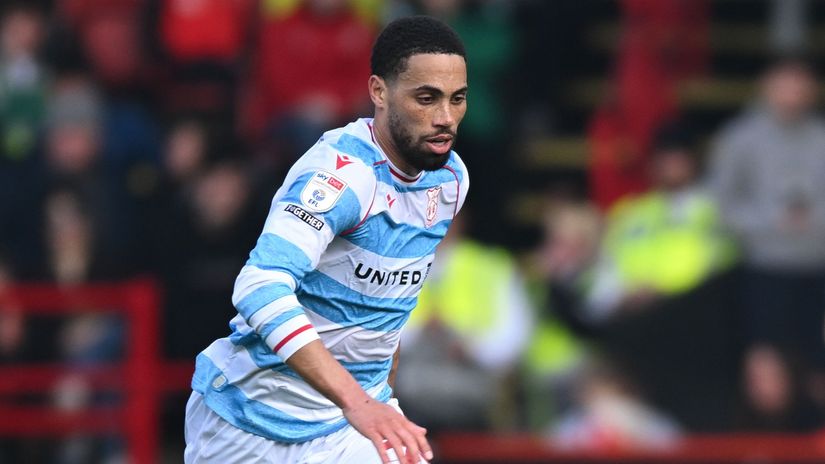
As for what’s next, these dynamic wingers stand at a crossroads of potential stardom. Musa, already Gor Mahia’s standout with top contributions, could refine his 1v1 and crossing to become a continental export, his versatility positioning him for national team elevation and potential abroad trials where his transition speed would thrive.
Sichenje, leading Leopards in key metrics, needs only composure tweaks to elevate his end-product, potentially anchoring a title push while earning moves abroad through his dribbling volume and set-piece craft.
In FKF Premier League, where titles are won on the flanks, both remain Roadrunners poised to redefine attacking standards - Musa the explosive spark, Sichenje the shifty sustainer - ensuring their teams’ structures stay stretched and scoring threats ever-present.
Their ongoing duel, from derby clashes to league run-ins, promises more tactical masterclasses, proving that in football, the most electrifying wingers are those who not only run fast but think even faster, turning personal flair into collective triumph.