


TACTICAL ANALYSIS: Niger's three core elements that forced a draw against South Africa





.jpg)
Reading Time: 3min | Sat. 16.08.25. | 16:39
Niger’s ability to frustrate South Africa hinged on three core elements
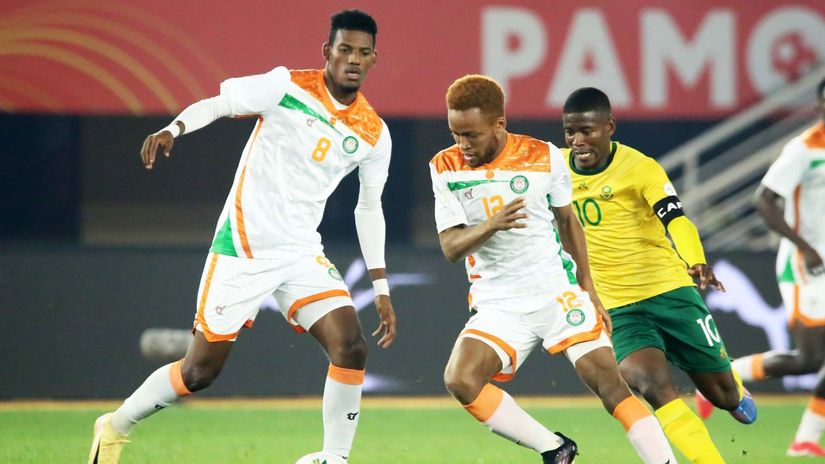
Niger held South Africa to a goalless draw in their third Group C fixture of the 2024 African Nations Championship (CHAN) at the Nelson Mandela Stadium in Kampala, Uganda, denying Bafana Bafana the chance to go top.
Follow our WhatsApp channel for more news
For Niger, already eliminated from the tournament, the match became an exercise in tactical discipline and defensive resilience. For South Africa, it was an evening of possession without penetration.
South Africa’s Structure and Build-Up Play
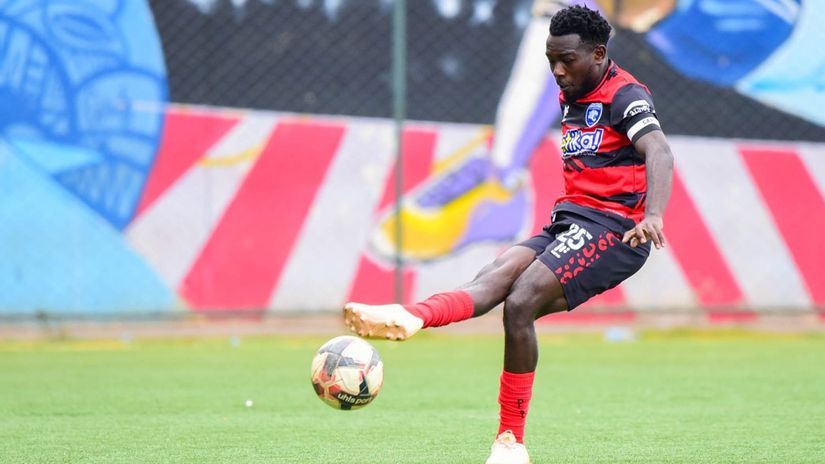
Bafana Bafana began in a 4-2-3-1 base formation, with Ndabayithethwa Ndlondlo and Keagan Johannes operating as a double pivot.
Their build-up structure morphed into a 4-2-2-2 during the first phase, where the fullbacks positioned themselves wide on the touchline and the centre-backs split to facilitate ball progression.
This initial build-up phase was straightforward, as Niger defended in a 4-4-2 midblock, staying passive higher up the pitch and only engaging more aggressively once the ball approached their own half.
South Africa’s plan was to dominate central areas by creating a “box midfield.” Keagan Dolly and Neo Maema, deployed as dual number 10s, worked in the half-spaces to engineer central overloads.
Ahead of them, Thabiso Kutumela and Wayde Jooste functioned as twin strikers, while the fullbacks were tasked with providing all the width.
This left only two players in the rest defence, meaning that although South Africa enjoyed a massive 68% possession share, they were vulnerable to quick transitions.
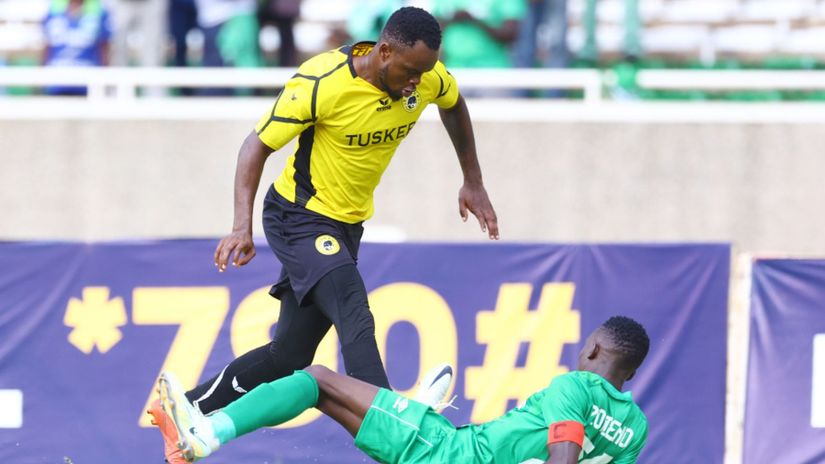
Niger’s Defensive Setup and Counterattacking Threat
Niger’s defensive strategy revolved around compactness and selective pressing. While they allowed South Africa possession in non-threatening zones, their midfielders were quick to jump onto the ball carrier once the play entered their half.
This disrupted Bafana Bafana’s forward rhythm, forcing hurried passes and sideways recycling rather than vertical progression.
This structure was perfectly suited to Niger’s counterattacking approach. With South Africa’s rest defence exposed, Niger looked to spring forward into the large spaces left behind the backline.
They registered 11 shots in total, two of which were on target, and came agonisingly close to scoring when one effort struck the woodwork.
Late-Game Adjustments
In the closing stages, South Africa switched to a highly aggressive 2-2-2-4 shape, pushing their fullbacks into the final third to create overloads against Niger’s backline.
.jpg)
However, Niger responded by tightening their midfield compactness, ensuring minimal gaps between the lines, and immediately swarming any South African player attempting to enter the attacking third. This tactical discipline saw them see out the final minutes without conceding.
Niger’s ability to frustrate South Africa hinged on three core elements: a well-organised midblock that denied access to dangerous central zones, aggressive pressing triggers once the ball entered their territory, and swift counterattacks into unguarded defensive spaces.
While South Africa dominated possession and territory, Niger controlled the terms of engagement, dictating where the game was played and forcing Bafana Bafana into low-risk, low-reward circulation.
In the end, Niger’s defensive discipline and counterpunching threat ensured they left the Nelson Mandela Stadium with a hard-earned point.