


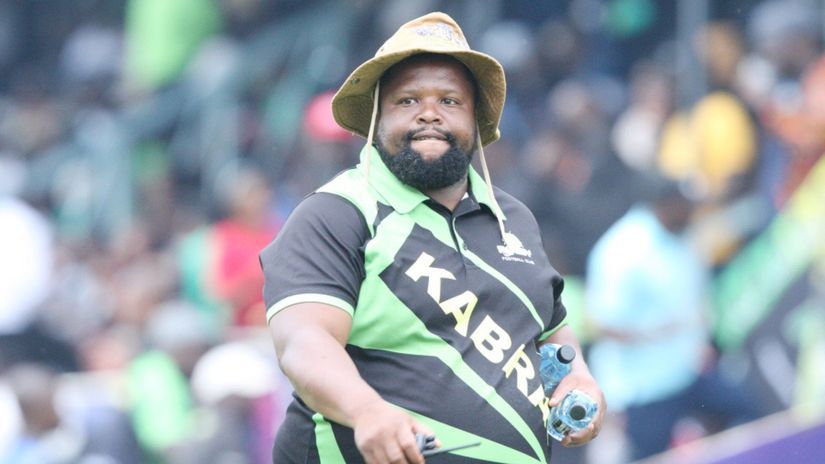
Carlos Katywa reveals Jerome Paarwater's key role in his move to Kabras RFC




Reading Time: 4min | Fri. 19.06.26. | 20:59
Paarwater is widely regarded as one of the most influential foreign coaches to have worked with Kenyan rugby
Kabras Sugar RFC head coach Carlos Katywa has opened up on the crucial role Kenya Simbas head coach Jerome Paarwater played in bringing him to Kenya.
The move has since seen him establish himself as one of the most successful coaches in the country's rugby scene.
Download our Mozzart Sport App for more news
The South African first joined Kabras Sugar ahead of the 2021/22 season as an assistant coach responsible for the forwards under then-head coach Jerome Muller.
Following Muller's departure back to South Africa, Katywa was promoted and officially confirmed as the club's head coach on November 23, 2022, just before the start of the 2022/23 Kenya Cup season.
Since taking over the reins, Katywa has overseen a period of unprecedented dominance for the Kakamega-based side.
He guided Kabras to a fifth consecutive Kenya Cup title after a thrilling victory over KCB, extended the club's historic unbeaten run across domestic competitions beyond 50 matches, and led the Sugarmen to six Enterprise Cup titles.
Speaking on his coaching journey, Katywa revealed that his path to Kenya began while he was coaching university rugby in South Africa.
"I started coaching at the university level in South Africa. After spending some time at the university where I studied, I eventually moved into coaching and later got an opportunity at Rhodes University, where I became a head coach for the first time," Katywa offered.
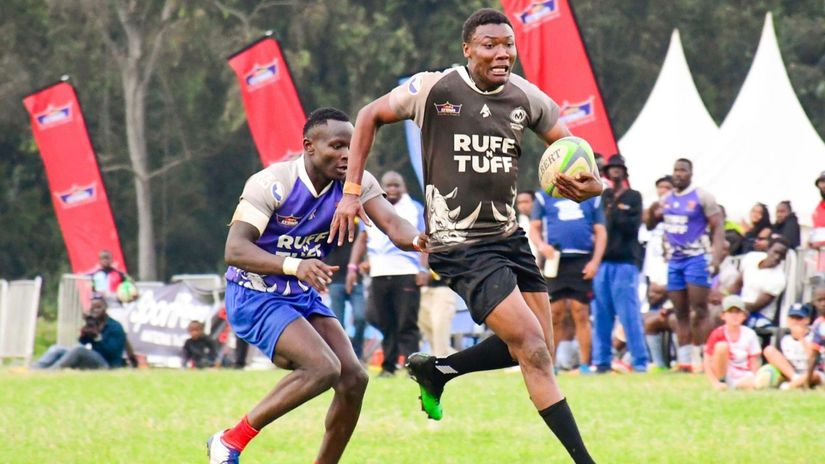
The Kabras boss described the experience as one that tested and shaped him as a coach.
"That experience was a huge learning curve. There were good moments, but there were also difficult ones. I had to learn how to lead on my own, make decisions, deal with setbacks, and take responsibility for results.
There were times when things didn't go well, and I had to rebuild from scratch. Those moments taught me resilience and reminded me that failure is part of the process,” he continued.
Katywa explained that it was during this period that he first met Paarwater, who was impressed by his innovative approach to the game.
"The connection to Kenya came through Jerome Paarwater. At the time, I was coaching at the university level and trying different ideas. My squad was made up of highly intelligent students, but they weren't necessarily traditional rugby players who had come through elite rugby schools," he said.
.jpg)
According to Katywa, his side was struggling at the line-outs, which forced him to come up with unconventional solutions.
"We were struggling with our line-outs, so I improvised and came up with a few unconventional solutions. Jerome happened to be watching one of our matches and noticed some of the things we were doing. He became curious and started asking me questions about my approach and why I was doing certain things,” he explained.
The pair would later spend time exchanging ideas and discussing the finer details of the game.
"We spent time talking rugby, exchanging ideas, and discussing the game. Jerome was interested in the way I thought about rugby and my willingness to think outside the box."
At the time, Paarwater had already established strong links with Kenyan rugby and was involved with Kabras RFC, which was looking to strengthen its technical bench.
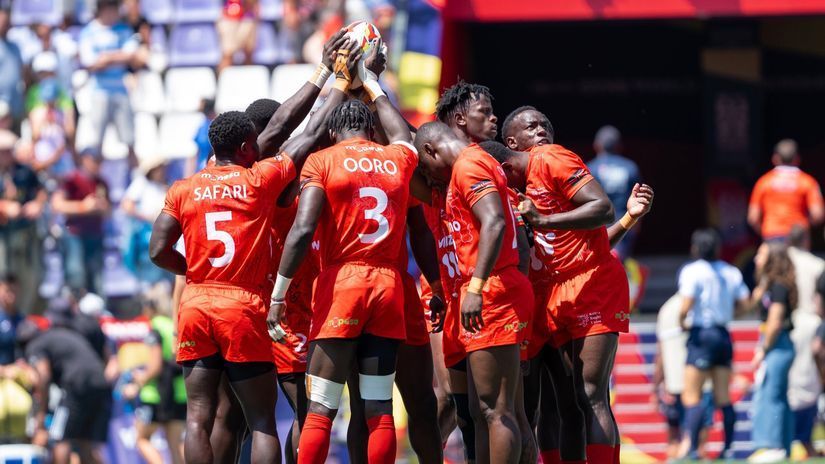
Paarwater is widely regarded as one of the most influential foreign coaches to have worked with Kenyan rugby.
During his first stint as Kenya Simbas' head coach in 2016, he guided the national team through one of its most successful periods, helping the Simbas rise to a historic 22nd place in the World Rugby rankings.
It was during his involvement with Kabras that Paarwater identified Katywa as a coach capable of making an impact in Kenya.
"He told me, 'Give me a few weeks. There might be something for you.'" Katywa shared.
However, the opportunity did not materialise immediately.
"A few weeks turned into a few months and, to be honest, we both forgot about it. Then one day I got a call asking whether I would be interested in coaching in Kenya,” he said.
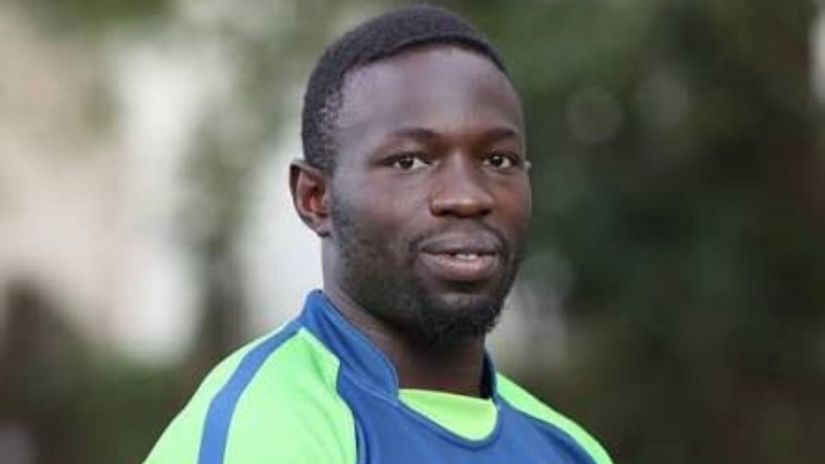
For Katywa, the chance to coach in Kenya was one he could not afford to pass up.
"At that point in my career, it was an opportunity I couldn't ignore. Coaching can be unpredictable, and you're never guaranteed what tomorrow looks like. So when the chance to join Kabras came up, I was excited and grateful. It felt like the right opportunity at the right time,” he said.
Years later, that opportunity has blossomed into one of the most successful partnerships in Kenyan club rugby.