


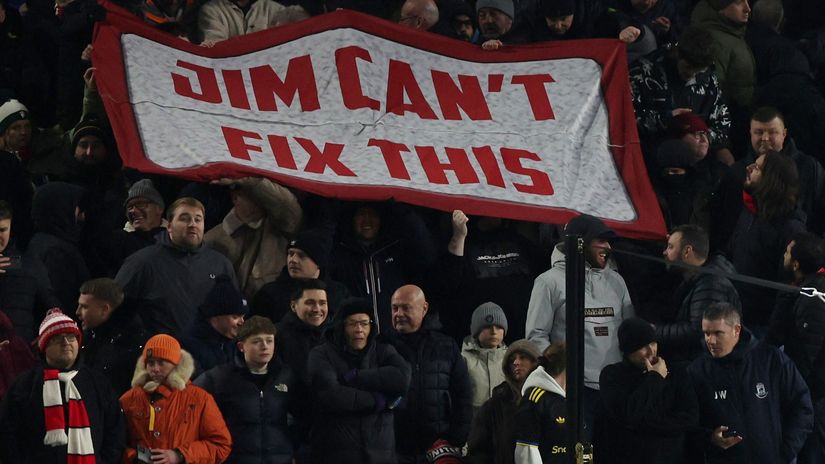
FALSE 10: ‘Jim can‘t fix this‘
.jpg)


Reading Time: 6min | Sat. 10.01.26. | 14:21
After Amorim's sacking all eyes are now on Sir Jim Ratcliffe
“Jim'll Fix It“ was a very popular British television series broadcast by the BBC, presented by Jimmy Savile which ran for almost two decades, between 1975 and 1994. The show encouraged children to write a letter to Savile with a "wish" that would come true at the end of each episode, upon which the child would be granted a medal. Famous people who appeared on the show included Muhammad Ali, Margaret Thatcher and Peter Cushing. Decades later, one cheeky Manchester United fan used word play and made a banner ‘Jim can‘t fix this‘ which was displayed at the away end before the Burnley game on Wednesday. Since it is a word play, it has a double meaning, but both are referring to current‘s Manchester United‘s state of affairs. Either you can read it as ‘even Jimmy Savile wouldn‘t be able to fix Man. Utd‘ or ‘Jim Ratcliffe can‘t solve this problem‘.
The British media had a field day but this was not the premiere or this banner. Manchester United supporters group ‘The 1958‘ actually had this banner at their protest organized back in August 2025, before the season opener against Arsenal. Almost three years since coming into the club as the minority owner (February 2023), English billionaire with a title ‘Sir‘ is blamed for the sacking of Ruben Amorim and the current plight where United, with short breaks, are since sir Alex Ferguson left the club. To be fair, ‘The 1958‘ did it a couple of months before and now they will stage a protest again. They called Sir Jim Ratcliffe “an incompetent clown” and will organized a protest at the home match against Fulham on 1 February to make their voices heard at Old Trafford. The honeymoon period with childhood fan turned into a minority owner has long been gone – it‘s a war now.
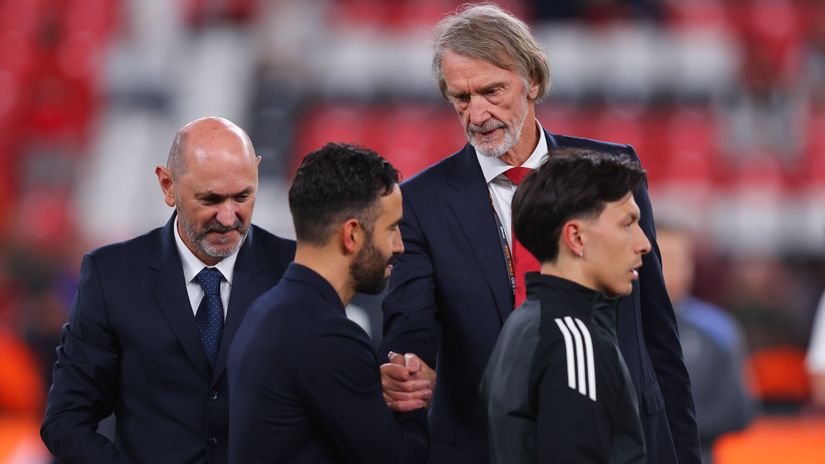
So why ‘Jim can‘t fix it‘? Well, he might be able to do it after all, but when? He has been in the club for almost three years and won two cups, sacked two managers and a sporting director, not to mention 450 employees he released in the same period. His two big actions since 2023 were to cut the costs and reorganize the entire sporting sector (for which he is in charge, as agreed with majority owners Glazers). He managed both but it‘s not giving results on the pitch yet and the fans are nervous. Ratcliffe ‘inherited‘ Erik ten Hag as a coach but made the first mistake by retaining him and extending his contract (to be fair, Ten Hag won the FA Cup prior to that). His cutting costs didn‘t went well with the supporters and the employees, and yet he wasted money by sacking Ten Hag a few months after giving him a new contract. He had to pay the Dutchman 18 million euros. Then he spent some more unnecessary money by firing sporting director Dan Ashworth after just five months in post (over four million pounds). And while preaching about financial wisdom, Ratcliffe gave money again, this time to Amorim, who is in line for a 10 million pounds compensation from United due to an early sack.
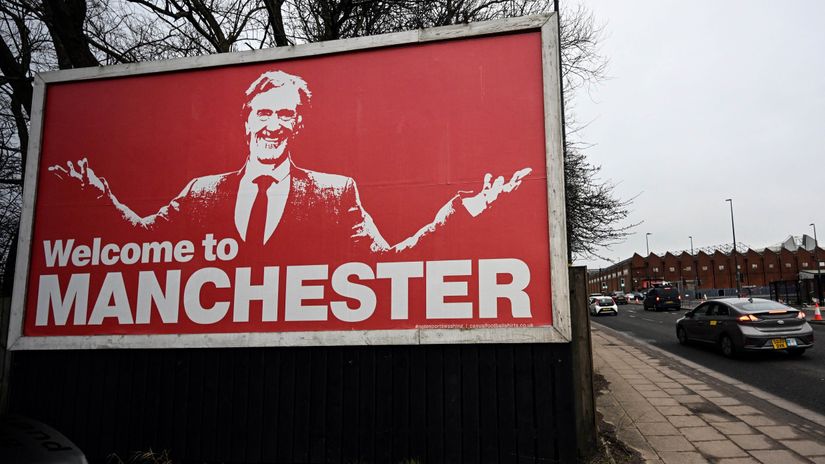
Currently, United are in limbo again, and have an interim manager. Ole Gunnar Solskjaer, Darren Fletcher, Ruud van Nistelrooy, Ralf Rangnick, Ryan Giggs, Michael Carrick...many clubs didn‘t have so many permanent managers in the last 10 years, yet alone interim ones like Manchester did, but that‘s what United is about these days. And the caretaker manager (currently Darren Fletcher) will soon be removed by an interim one (Solskjaer and Carrick are in frame) who will be with the players only until May, when a new head coach will be appointed. And how will the dressing room react when they know they will have a coach who will not be here come May? After the end of the season, Ratcliffe will search for a big name who will start all over again and will have to be in line with the club‘s policy. But what is the club‘s policy and why Amorim failed to adapt?
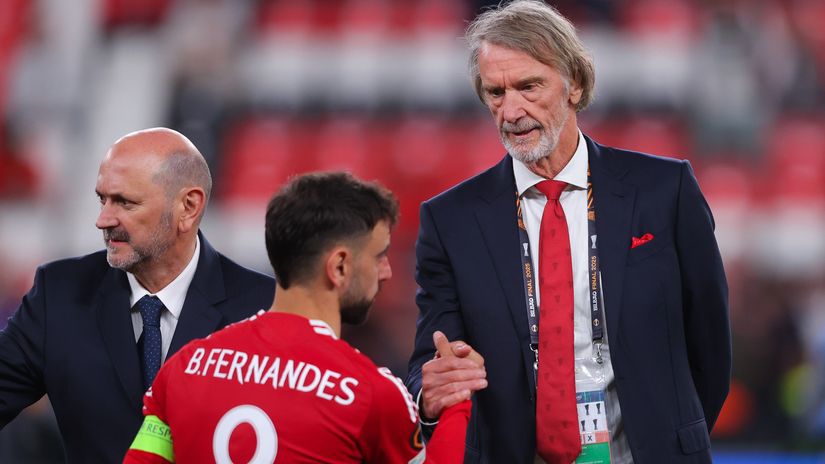
Sir Jim Ratcliffe appointed key men with lots of experience: CEO is Omar Berrada from Manchester City and the sporting director is Jason Wilcox, also from the Citizens. Wilcox‘s job (as well as the director of recruitment Christopher Vivell) is to sign quality players, younger ones (and cheaper) who will be key footballers for the club in future. That‘s basically copy/paste strategy for every bigger club in Europe at the moment. What these executives also want is some kind of system which will be the base and which won‘t be changed whoever the manager. And the unanimous opinion (Ratcliffe included) was that United has to play with four man at the back. Wilcox, as the only executive with both player and manager experience preferred 4-3-3, but nobody would complain even with a 4-2-3-1 system. So, a approach similar to Barcelona‘s (‘we play in a system like this and any new coach has to adapt‘) was favorable. This would give the recruiting department much flexibility to find and buy players who fit in, regardless of the man in charge. So what‘s the problem then? The problem was Ruben Amorim.
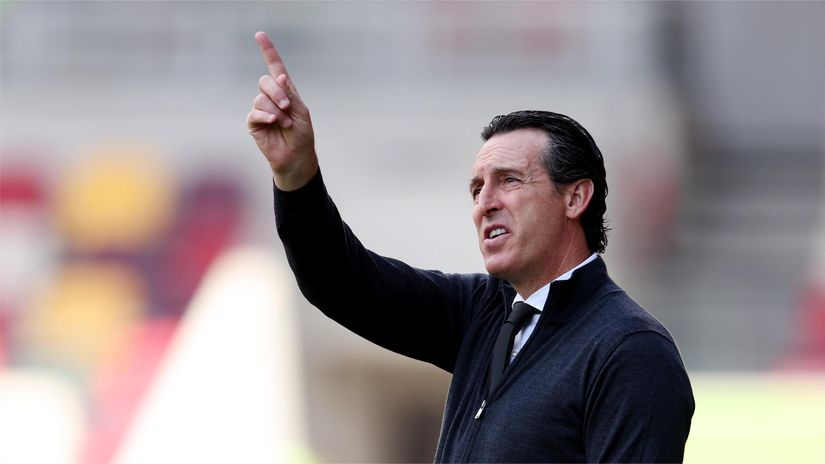
The Portuguese coach was not director‘s choice (at the time it was Dan Answorth) but Berrada insisted on his appointment (and did all the negotiations), which is another mistake by the ‘new management‘: allowing people to ‘break‘ the chain of command. It is obvious now that United‘s brass didn‘t do their homework on the coach, as they failed to understand how stubborn about 3-4-3 system he was. In the end, his resistance to the idea of switching to four at the back got him the sack. Manchester had to spend another 200 million on the type of players Amorim needed and now he is gone and they are depended on the next manager. Fletcher (or whoever comes next) will have to play now with the four defenders in line. The recruitment team also failed to agree with Amorim on transfer targets. He wanted Semenyo in May (even had a dinner with him), but they thought he was expensive back then (70 million pounds) and ended up with Mbeumo, an older player (against their own policy) who was worth 65 (plus five in bonuses) million pounds, almost the same. Amorim wanted experienced players like Emiliano Martinez and Ollie Watkins (from Aston Villa) but he got younger ones – Benjamin Sesko and Senne Lammens. Amorim also got all kind of various advices, either from David Gill (United‘s CEO until 2013, now on board of directors), or from Rattclife himself (through Wilcox). Gill thought he should have deal better with players like Mainoo, Garnacho or Rashford while Wilcox again talked about the changing of formation. Amorim had a big row with him and that was it – he was out as soon as he lashed out after the Leeds game saying to the reporters that ‘everybody has to do their job‘. The new sporting department, appointed by Ratcliffe didn‘t do a good job (including Sir Jim) and this is their mistake from start to finish.