


FALSE 10: Netflix producers, hear us out...


.jpg)

Reading Time: 7min | Sat. 04.07.26. | 13:25
Cabo Verde's larger-than-life World Cup fairytale deserves epics, poems, documentaries... It's arguably one of the greatest sports stories ever told
The script is already there; your job is just to turn the camera on and start recording.
This was no mere dream; it was reality unfolding while we slept soundly, oblivious beneath our blankets. Each morning, as we silenced that relentless alarm and glanced at our phones, we discovered something extraordinary and unpredictable happening far away, across the ocean in distant America.
No, it was not about Donald Trump, although the US President always finds his strange ways to get into the news, or to become one. No, this time it was not even about Lionel Messi or Kylian Mbappe, who are breaking World Cup records and limits almost daily.
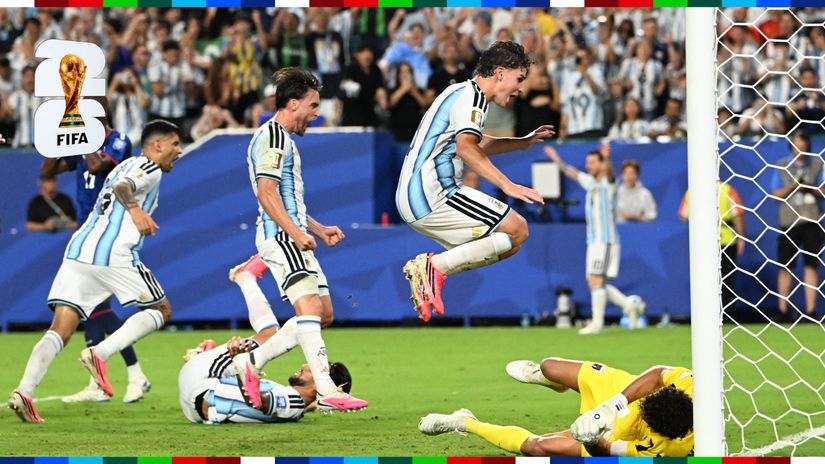
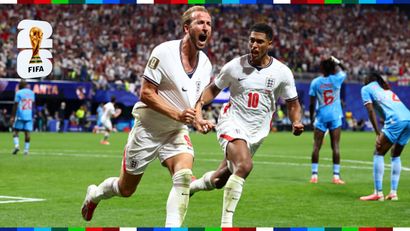
Yes, people also debate the use of VAR, those irritating hydration breaks, Cristiano Ronaldo's bad influence on the Portugal team, and whether Harry Kane has got enough firepower and support to take the Three Lions to the title... But that's all the noise in the background, nothing more than the scenery for the second, much greater act.
This is the story of a tiny African nation, home to just 500,000 souls - no bigger than a Nairobi neighbourhood - pulling off upset after upset in their World Cup debut. They held the reigning European champions, Spain, to a draw (0-0), matched two-time winners Uruguay (2-2), and clinched a knockout spot after another gritty stalemate with Saudi Arabia (0-0).
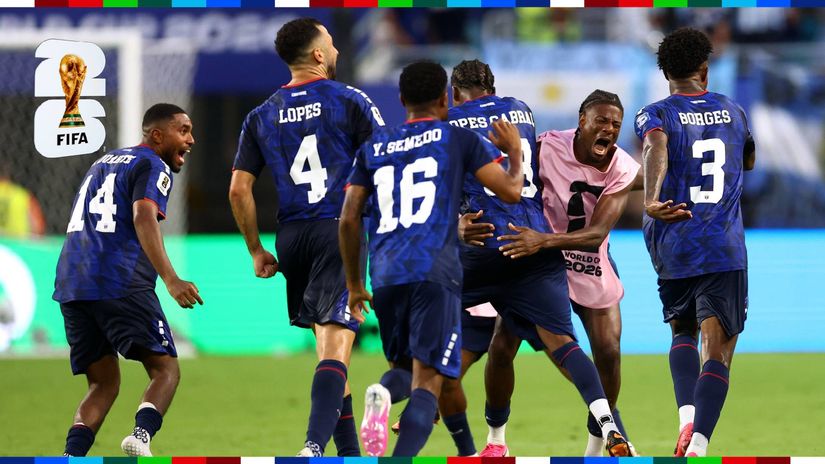
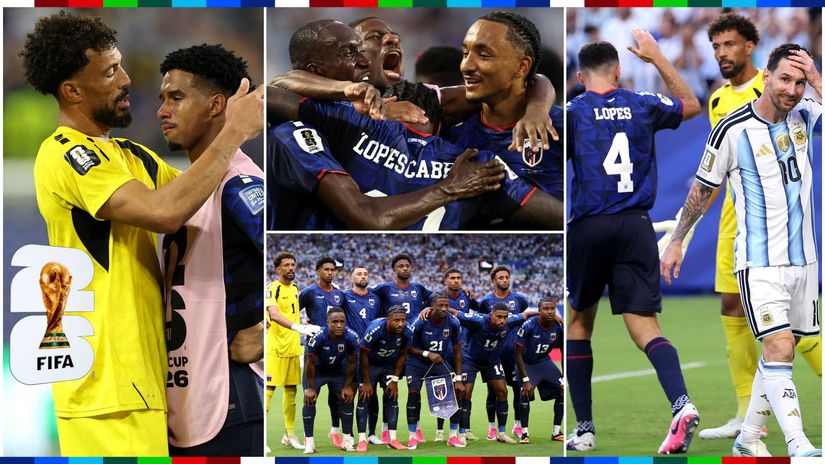
Now, imagine the documentary sweeping us away to the Atlantic, to an archipelago of ten small islands off West Africa: Cape Verde, or Cabo Verde, as its people proudly say. Those ten islands could stand for the ten outfield Blue Shark warriors, with their captain and guardian, the goalkeeper Josimar Jose Evora Dias, better known as Vozinha, leading them.
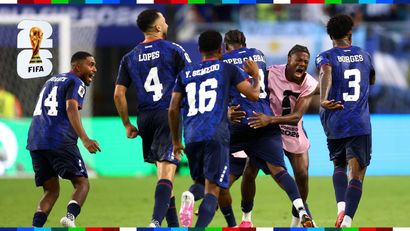
When his young teammates collapsed in heartbreak after a gut-wrenching Round of 32 defeat to the reigning champions, Argentina, in Miami, it was the 40-year-old veteran who moved from player to player - joined by Messi himself - offering comfort and urging them to stand tall. The man whose Instagram exploded from 46,000 to nearly 19 million followers during Cabo Verde’s magical World Cup run would make the perfect narrator for this cinematic tale.
"We all played great football. There's nothing to cry about. We'll keep our heads held high," Vozinha said after the match.
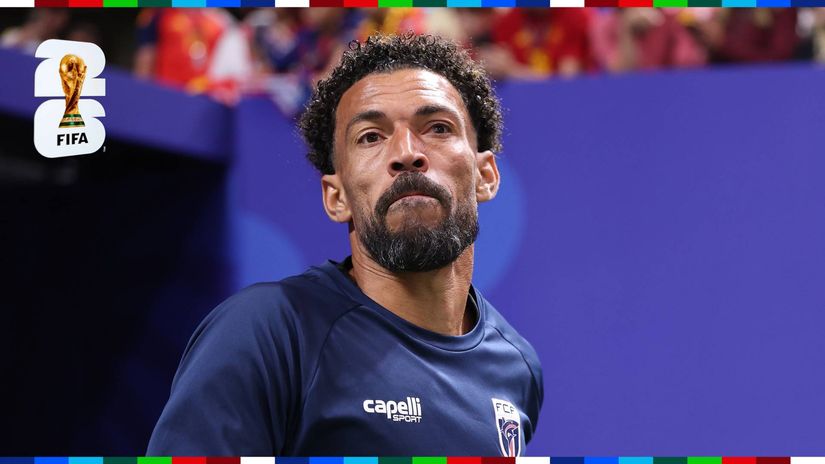
Cabo Verde's World Cup hero earned his nickname, Vozinha - Little Grandma - because of the teasing and bullying he endured as a child.
Raised by his grandparents on the island of Sao Vicente, he used to play football in the streets with older boys, "getting beaten up a lot" by the big guys. Knowing that his father was away in the army and that his mother had to work long hours, the other children would tease him, saying he was going to cry and "complain to his grandma".
And that’s how the world came to know Vozinha.
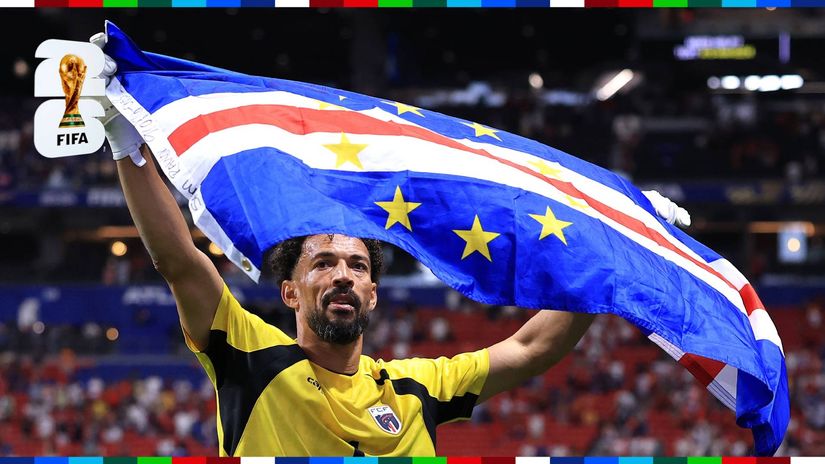
A true journeyman, he spent most of his career far from home, earning his living with little-known teams in Moldova, Cyprus, and Slovakia. After two seasons in Portugal’s second division, he arrived at this World Cup without a club, his contract having expired on June 1.
This time, however, his father was there. In a stunning coincidence, a Globo TV reporter bumped into none other than Vozinha's dad at the stadium minutes before the Argentina tie.
When you are interviewing a Cabo Verde fan outside stadium about gk Vozinha’s ability, and it turns out it is the dad of Vozinha pic.twitter.com/Ee8TTKD0BU
— Tancredi Palmeri (@tancredipalmeri) July 3, 2026
Of course, the reporter didn't know that at the time, thinking it was just a genuine Cabo Verde fan. Asked about Vozinha's qualities and ability to shine in case of a penalty shootout, he got a shocking answer...
"I think so. And he thinks so too. I'm his dad."
R: Wait… you're Vozinha's dad?
F: Yeah.
R: No way… for real?
F: I'm serious. I don't joke about stuff like that.
R: Man… you gotta be proud of him.
F: Cabo Verde is proud of him. But no one's prouder than I am.
If you thought that was epic, just wait for the next scene: the documentary jumps to Ireland, where a man opens his LinkedIn inbox to find two messages - one in Portuguese, one in English. The second arrived nine months after he ignored the first. But who could blame Roberto Pico Lopes, a part-time footballer and bank employee at the time? The 34-year-old defender grew up in a Dublin suburb, the son of an Irish mother and a father from Cabo Verde.
"I ignored [it] for nine months because it was in Portuguese, which I didn't understand at the time," Lopes said, explaining that the messages came from Cabo Verde's manager, Pedro Leitao Brito - Bubista, one of the longest-serving national team coaches in the world.
"When I realised what opportunity was on the cards here, I jumped at it," he added.
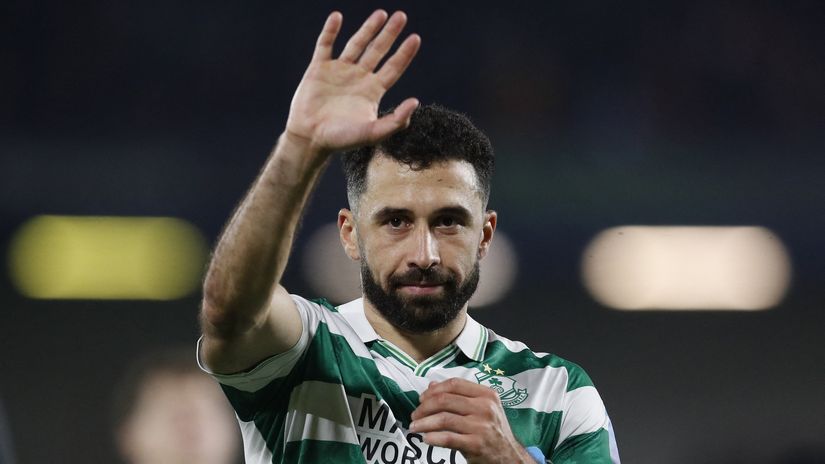
Pico Lopes didn’t miss a single minute at this World Cup, marshalling the Blue Sharks' defence through four commanding performances that proved vital to their historic achievement.
Before the tournament, their odds of escaping the group were just 1%, and most of us couldn't even name their capital city. But wake us in the dead of night now, and we'll rattle off every detail about our new cult heroes: Stopira, Lenini, Duarte, and, of course, Sidny Lopes Cabral.
His thunderous extra-time goal against Argentina is a surefire contender for Goal of the World Cup. And that unforgettable celebration - sprinting wildly through exhaustion, heat, and security to kiss his girlfriend - absolutely deserves a place in the documentary.
"I always knew. I always told my family, my girlfriend, my brother, and friends: I'm going to reach the top. Back in the day, my friends called me crazy," recollected the 23-year-old two-footed full-back in the recent interview with The Guardian.
"I always told my mother: 'I will be a professional football player and you won't have to work. I will do everything for you.' Even when I played in the fifth league, I told my mother and father not to worry, I would take care of them. Football is my passion, my life, even in the hard days".
Sidney Lopes Carbal’s story is amazing:
— E (@Ellis_) July 4, 2026
— In the 24/25 season he was playing in the 3rd division in Germany.
— 1st of July 2025 he signs for CF Estrela Amadora.
— He performs really well for CF Estrela Amadora getting 6 goals and 4 assists and earns a move to Benfica and… pic.twitter.com/Fm6WMB43v4
Those days were anything but easy, especially after he left home at 19 to chase his dreams. Born in Rotterdam to Cape Verdean parents, he took a leap of faith by joining Germany's fifth division.
"Honestly, I was crying. I wanted to go back to the Netherlands. I called my brother almost every day, saying I didn't like it. The first day it was winter, raining, and I had to train in shorts and a T-shirt. I was so cold. My first apartment was empty. I had to put up bin bags as curtains. I was crying. Luckily, we won promotion, and everything went better".
Despite his ambidexterity and unmatched versatility - covering left-back, right-back, and right midfield - he was recently let go by Benfica for reasons unrelated to football. His only 'offence' was wanting to swap shirts with Vinicius Junior of Real Madrid after a controversial and likely racial slur from Cabral's then-teammate Gianluca Prestianni.
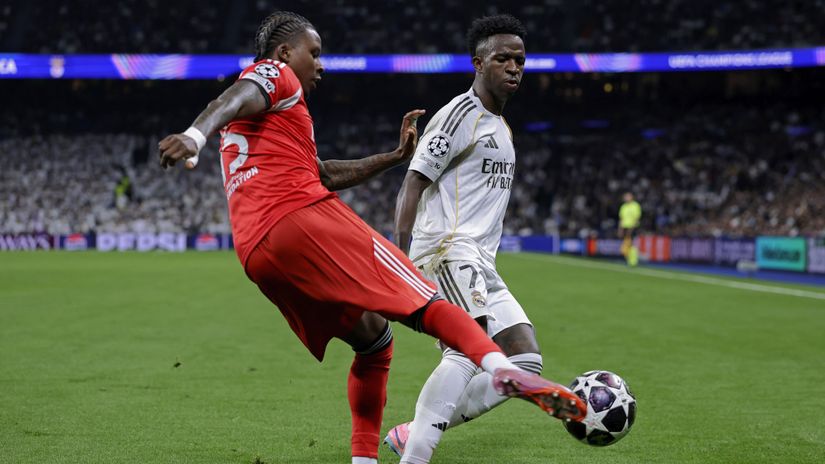
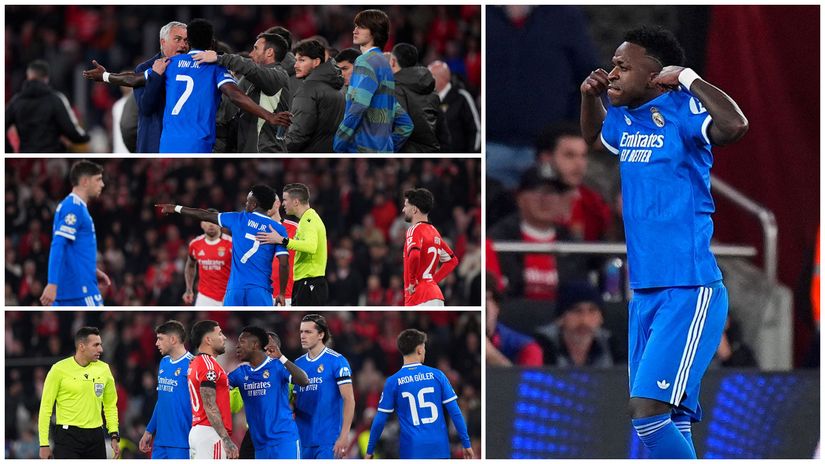
Benfica sold him to Turkish club Trabzonspor for just €10 million before the World Cup. After his electrifying display against the world champions, his value is sure to skyrocket.
So, how does this documentary wrap up? Perhaps with scenes of Cabo Verde's players, hearts heavy, standing as the entire stadium - including Argentine fans - rises in a long, thunderous ovation, honouring the end of their remarkable World Cup adventure.
They say the winner takes it all. Maybe so, but our hearts remain with Africa and Cabo Verde.
Drew with Spain ✅
— BBC Sport (@BBCSport) July 4, 2026
Drew with Uruguay ✅
Didn't lose a game in normal time ✅
Pushed the holders to the limit ✅
Their 2026 adventure is over, but what an incredible first World Cup for Cape Verde! 🇨🇻 pic.twitter.com/4jLJmWfzP0
By: BOJAN BABIC