


.jpg)
Former AFC Leopards boss Tom Juma explains how ‘Mashemeji’ slang has eroded Derby excitement

.jpg)
.jpg)
Reading Time: 3min | Sun. 26.04.26. | 07:40
The term was coined in 2011 by veteran journalist Odindo Ayieko, who introduced it in a Sunday Nation piece to give the match a more culturally rooted identity, with fans and influencers later embracing and amplifying it across platforms
Former AFC Leopards midfielder and head coach Tom Juma believes the popular “Mashemeji” tag, now widely used to describe the clash between AFC Leopards and Gor Mahia, has unintentionally softened the edge of what was once Kenyan football’s fiercest rivalry.
Download our Mozzart Sport app for more news
The “Mashemeji Derby,” a phrase that loosely translates to “in-laws derby,” has over the years become the accepted identity of the fixture pitting the country’s two biggest clubs.
The term was coined in 2011 by veteran journalist Odindo Ayieko, who introduced it in a Sunday Nation piece to give the match a more culturally rooted identity, with fans and influencers later embracing and amplifying it across platforms.
But for Juma, who spent more than a decade at Ingwe across different roles, the shift in language has come at a cost, gradually draining the raw intensity that once defined the encounter both on and off the pitch.
“The moment we started calling ourselves 'Mashemeji,' I think we lost something,” he told Mozzart Sport, with his tone reflecting a mix of nostalgia and concern.
“Leopards and Gor were very fierce rivals, even on the streets. There was nothing like 'mashemeji.' This thing somehow took away the excitement.”
To him, the derby was once more than just a football match; it was a cultural event, a contest that stretched beyond the 90 minutes and into everyday life, where pride, identity, and rivalry collided with unfiltered emotion.
While the terminology may have softened the rivalry’s image, Juma insists the decline in intensity cannot be pinned on one factor alone.
He points to a period when the league itself struggled to sustain its standards, leaving even the biggest fixture in the country exposed.
“There are many things that contributed,” he explained. “There was a time the league had no money, teams were struggling, and we even saw walkovers. That period really affected the quality of the league, and the derby could not be the same.”
The departure of broadcaster SuperSport, he notes, drained not just financial muscle but also visibility, reducing the stage on which the rivalry thrived.
Without that backing, the spectacle dimmed, and with it, some of the aura that once made the derby unmissable.
Yet even as he reflects on what has been lost, the ex-Muhoroni Youth gaffer is quick to acknowledge signs of revival.
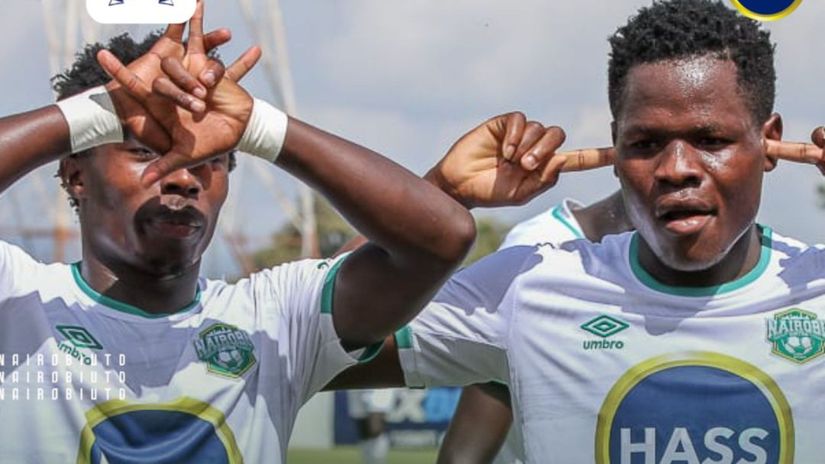
The return of competitive balance at the top of the table, especially with community-backed clubs reclaiming their influence, has begun to breathe life back into the game.
“Look at what the community clubs are doing; Gor Mahia and AFC Leopards are competing for the top positions, and even Shabana is around there. These are teams with strong fanbases, and once you bring fans back to the stadium, football will return to where it deserves to be.”
For the ex-Oserian Fastac, the path forward lies in recognizing this moment and building on it. With Kenya set to play a key role in upcoming continental tournaments, including the Africa Cup of Nations (AFCON), he believes there is a window of opportunity that must not be wasted.
“There are many positive things around Kenyan football right now. This is a good year, and next year will also be important because of AFCON,” he noted.
“If the federation markets this moment properly, we will attract sponsors, clubs will stabilize, and fans will come back in large numbers. We are not doing badly at the moment, but there is room to do much better.”
Former AFC Leopards head coach Tom Juma has tipped Ingwe to win the Mashemeji Derby on Sunday #FootballKE pic.twitter.com/UTzNgtYgKu
— Brian Odhiambo (@Odhiambo_Brian1) April 25, 2026