


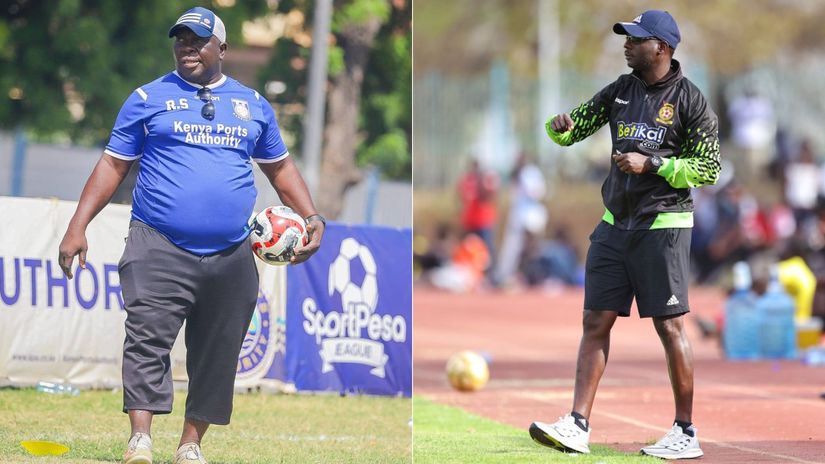
Match fixing or genuine errors? former goalkeepers weigh in on increasing howlers

.jpg)
.jpg)
.jpg)



Reading Time: 5min | Sat. 31.01.26. | 21:03
Whether a concrete solution is coming or if Kenya’s goalkeepers will continue to be scapegoats is anyone’s guess
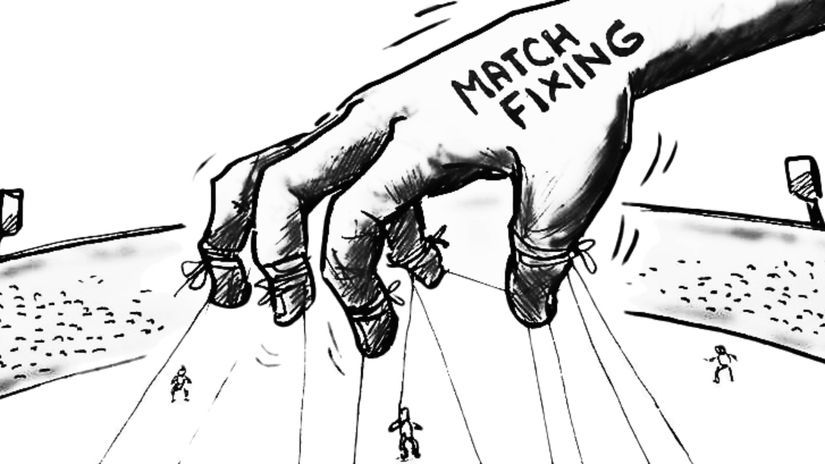
“That is match-fixing, huyo amewekelea (he has placed a bet)!”
Follow our WhatsApp channel for more news
This has become the all-familiar anthem of the FKF Premier League this season, bellowed every time a goalkeeper’s error costs a team points.
Week after week, mistakes between the posts leave fans, coaches, and analysts scratching their heads and asking the same questions.
A bad day in office for Shabana keeper Stephen Ochieng. pic.twitter.com/FdIhv8giZ1
— Don Teya (@TeyaKev) January 24, 2026
Why are errors so frequent? Why do standards seem to be slipping? And most importantly, how much of it is human error and how much is something more sinister?
The mistakes are escalating. Some have cost clubs critical points, while others have ended careers.
A single blunder is often enough to see a keeper benched, released, or publicly humiliated. A fortnight ago, Shabana FC’s Stephen Ochieng felt the full wrath of this scrutiny after an error against APS Bomet sparked a wave of accusations from supporters.
The reasons behind the crisis are hotly debated. Many insiders point to training as a key factor. Former goalkeeper Edwin Mukolwe, who recently hung up his gloves, did not hold back when asked about the league’s issues.
He argued that Kenyan coaches bear the responsibility for the rising number of mistakes.
“Kenyan coaches are solely responsible for the increased errors leading to goals in the Kenya Premier League,” Mukolwe said.
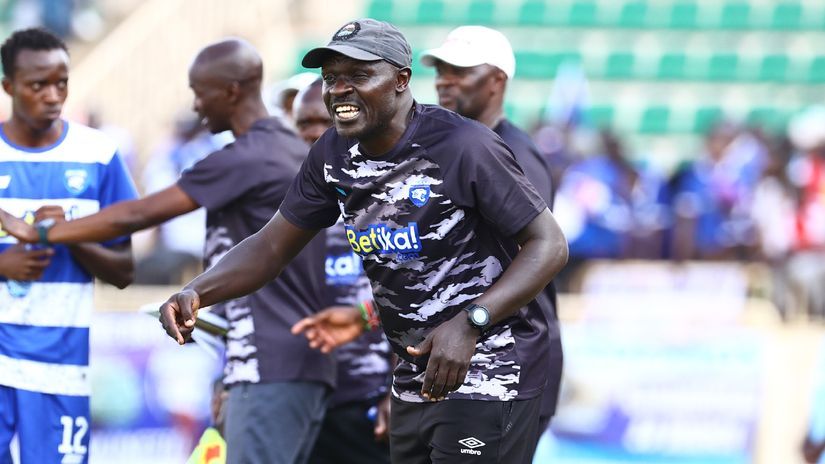
“It is time they take full responsibility and change their ways. Otherwise, we are heading into a dark place for Kenyan keepers.”
Others suggest the problem is psychological. Constant accusations of match manipulation have shattered the confidence of keepers, leading to schoolboy errors.
Yet for the majority of fans, the assumption is clear. Any error is a sign of foul play, even if no evidence is presented.
Tusker goalkeeper Brian Opondo had an afternoon to forget after letting in an easy goal while in action against Gor Mahia. It brings to mind a goal that Mathare United’s former goalkeeper, Job Ochieng, let in during their league match against Bidco United in February 2021. pic.twitter.com/Rjbcaq1tle
— Meshack Kisenge (@kisengemeshack1) November 22, 2025
The consequences are real and often brutal. Mustapha Oduor went from starter at Murang’a Seal to being kicked out of the club after a single error in a 3-2 loss to Gor Mahia.
KCB’s Bonphas Munyasa became a pariah after letting in a free-kick goal against Nairobi United, a follow-up to an earlier soft goal against Mathare United.
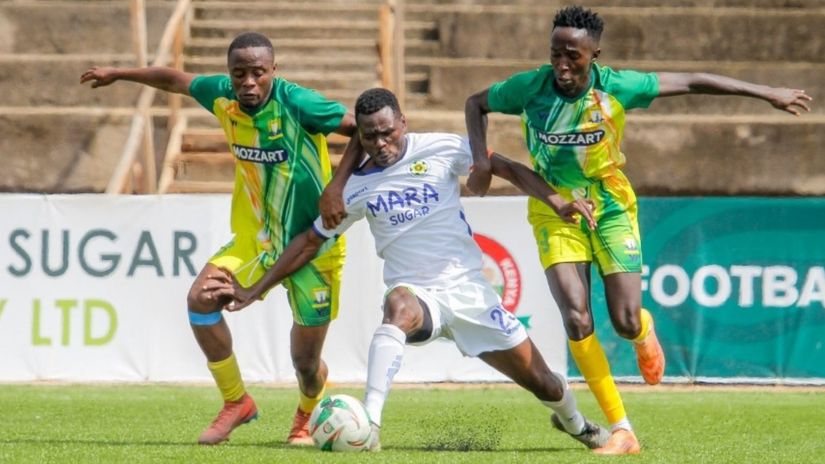
Edward Olak left Sofapaka after costly mistakes against Ulinzi Stars and Tusker FC. Steve Otieno was dismissed by Mara Sugar following a questionable goal against Sofapaka, while Brian Opondo at Tusker became an outcast after a back-pass blunder against Gor Mahia.
The list is endless, and it is a testament to how unforgiving the league has become for those guarding the goal.
Amid the criticism, goalkeepers themselves are speaking out. Farouk Shikalo, the Harambee Stars keeper now playing for St. George in Ethiopia, defended the league’s custodians in no uncertain terms.
He explained that the public tends to focus on mistakes, ignoring a goalkeeper’s consistent contributions.
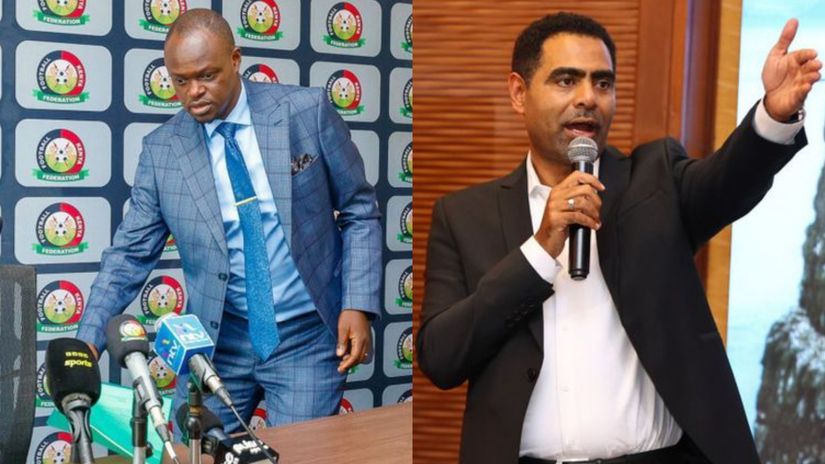
"Goalkeepers only get remembered for their mistakes. Everything else, the saves, the clean sheets, the key interventions, gets ignored. You can have ten or eleven brilliant games, but make a single error and suddenly that defines you.
Mistakes happen, even at the highest level. Instead of playing the blame game, why do we not focus on solutions?”
Abdul Iddi Salim, former Harambee Stars, Gor Mahia, AFC Leopards, and Kenya Police FC goalkeeper trainer, went further, stressing the danger of unfounded accusations.
He highlighted the psychological toll constant criticism can have, particularly on keepers like Stephen Ochieng, who was performing admirably before his recent error.
“These errors, in my view, are genuine mistakes,” Salim said. “Without evidence, we should treat them as such. Goalkeepers have off days, just like any profession. Mistakes are part of the game. Let us keep supporting these players.”
He specifically defended Ochieng, warning of the dangers of public shaming.
“The Shabana keeper, for instance, had been performing excellently in recent games. Now, one mistake has led to all manner of accusations.
This will affect his confidence and mindset going into the next matches. The risk of another error increases because his self-belief has been shattered.”
Salim also pointed to a systemic issue: the quality of coaching behind the keepers.
“Who is coaching these keepers? Clubs need to hire the right people, qualified, experienced, and capable. Emerging trainers are welcome, but they must be empowered and keep learning.
Cheap is expensive. Mistakes increase if trainers themselves are not properly equipped.”
Razak Siwa, another former Harambee Stars keeper and now head of goalkeepers at Bandari FC, echoed this sentiment. He added that the constant insinuations of match-fixing are undermining the morale of goalkeepers across the league.
“These allegations are killing our keepers’ confidence,” Siwa explained. “Making a mistake is normal, even in Europe. Here in Kenya, one slip-up triggers immediate accusations of match-fixing.
Why? Strikers miss chances too. Should we accuse them? Goalkeepers are human. We need to support them and help them grow.”
With clubs, coaches, and fans divided, the federation has so far remained mum, leaving the league’s keepers to navigate a minefield of expectation, criticism, and suspicion.
Whether a concrete solution is coming or if Kenya’s goalkeepers will continue to be scapegoats is anyone’s guess.