


.jpg)
PLAYER ANALYSIS: How Haki's skills could turn him into Harambee Stars’ biggest threat on flank


.jpg)


Reading Time: 5min | Tue. 24.03.26. | 13:12
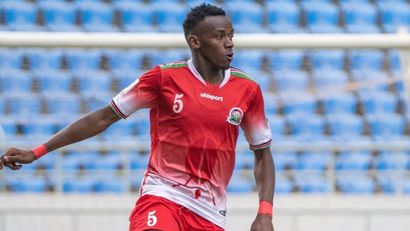
Haki reads the traffic of bodies, accelerates into gaps, and creates third-man runs on the flank alongside the full-back and interior midfielder, choreographing forward surges that maintain the team’s tempo
In the fluid geometry of half-space orchestration that defines modern Kenyan football’s positional chess, Victor Haki Akwanyi operates as Muranga Seal’s living fulcrum.
He is a left-sided winger who treats the pitch like a rotating Rubik’s cube, constantly twisting the geometry of attack until opponents’ defensive blocks collapse under their own weight.
Follow Our WhatsApp Channel For More News
Operating predominantly in the left half-space, Akwanyi engages in constant positional rotations with captain Joe Waithira and fellow winger Paul Osama during attacking phases, interchanging roles so seamlessly that markers lose their reference points.
This is not an isolated movement - his front-footed approach, married to razor-sharp off-ball reading and explosive acceleration, allows him to press even the opposition goalkeeper while simultaneously dropping deep to the flank to forge triangular passing connections with the left-back and interior midfielder.
The convergence is immediate: what begins as a technical first touch and close-body orientation to shield the ball from dispossession morphs into a tactical overload when he inverts into midfield, pulling opposition pressure inside and carving lanes toward the attacking third.
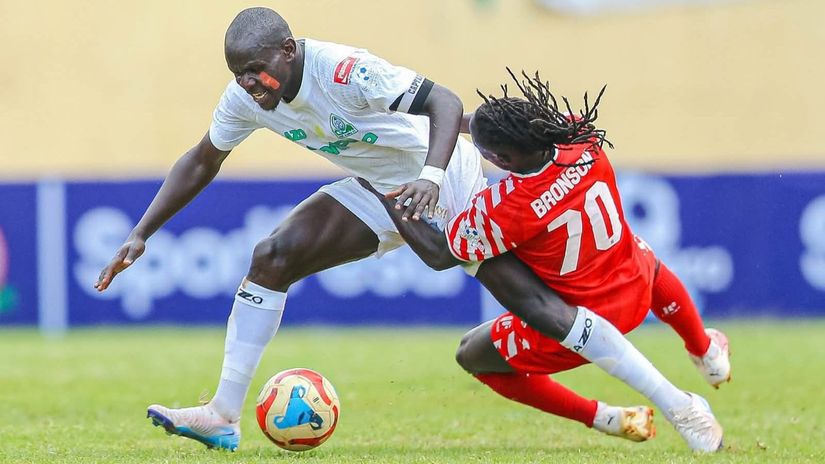
His game-reading cues - intercepting back-passes and mis-passes with instinctive timing - feed the physical pace that accelerates these rotations.
The result for Muranga Seal is a dynamic system no longer anchored to rigid wing positions but governed by perpetual side-switching from left to right and right to left, a style sustained by his two-footedness (left dominant yet right competent) that keeps opponents guessing across the full width of the pitch.
That same integrated blend turns defensive recovery into immediate attacking ignition.
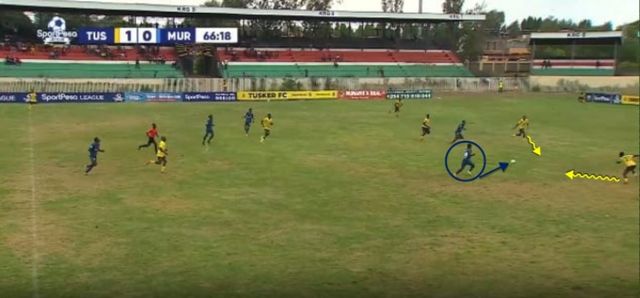
His top-tier work rate off the ball - a mental hunger that never switches off - combines with physical acceleration to exert maximum pressure on opposition players, forcing them into split-second decisions that crack their structure.
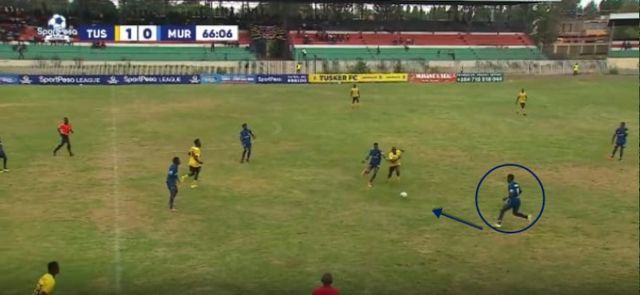
When the team loses possession, Akwanyi tracks back during opponents’ attacking transitions, his defensive contribution flowing directly from the same off-ball movements that define his pressing.
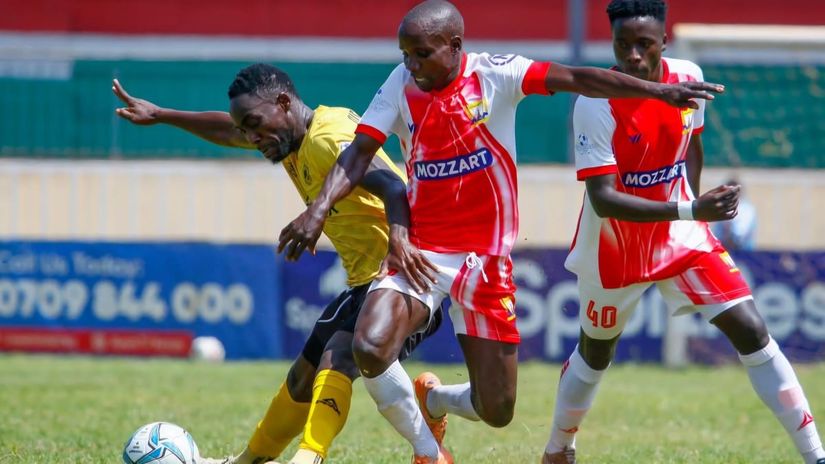
Picture a Nairobi matatu weaving through rush-hour chaos: he reads the traffic of bodies, accelerates into gaps, and creates third-man runs on the flank alongside the full-back and interior midfielder, choreographing forward surges that maintain the team’s tempo.
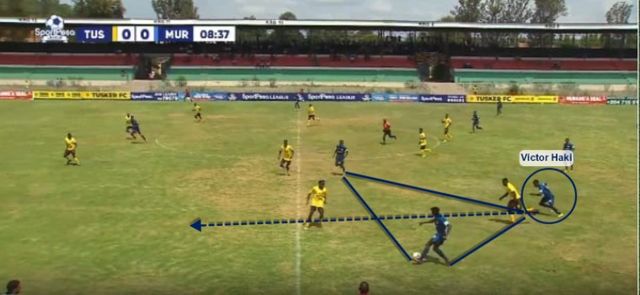
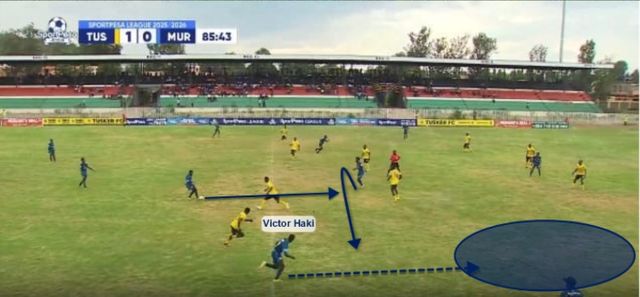
This is tactical decision-making at its purest - he adjusts his positioning forward or around the opposition penalty box in direct relation to Joe Waithira’s role as striker.
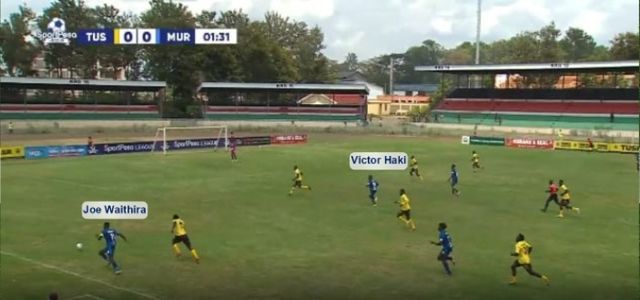
Should the captain drift wide into the areas Akwanyi normally occupies, the winger instinctively slots centrally into the vacated attacking space, transforming what could be a disjointed transition into a layered, multi-threat advance.
The influence on Muranga Seal’s general system is profound: the side’s build-up gains resilience because Akwanyi’s drops deep create passing triangles that bypass press, while his high pressing (even on goalkeepers and defenders) sets the tone for a collective intensity that makes the team compact yet explosive on the break.
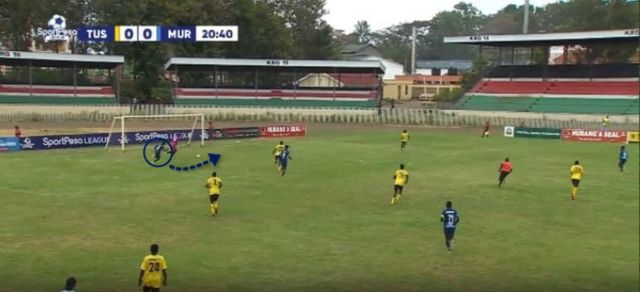
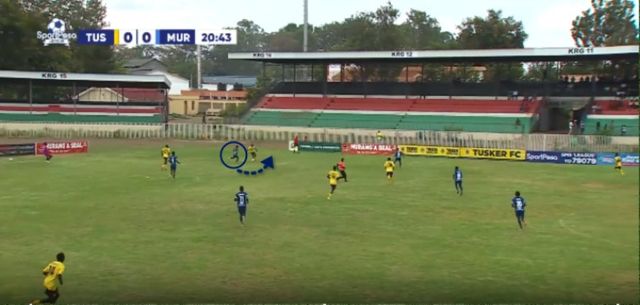
What elevates Akwanyi above peers in the same position is how his personal style - forged through raw instincts and accumulated experiences on Kenyan pitches - turns potential predictability into constant surprise.
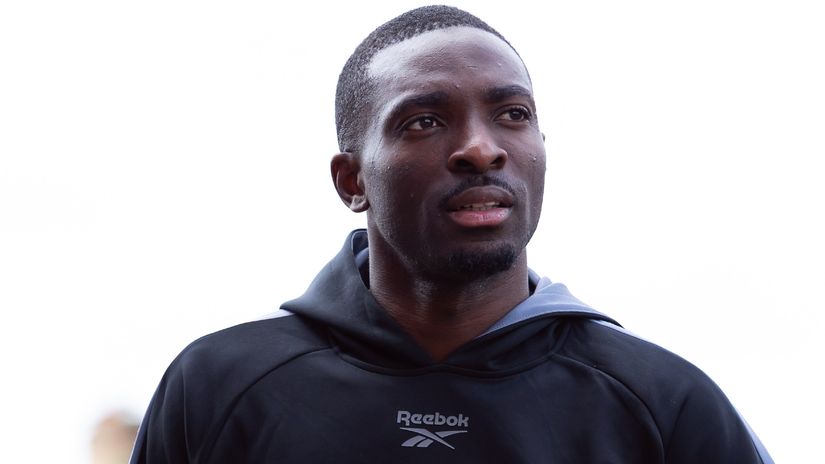
Most wingers in similar roles hug the touchline and deliver early crosses; he excels precisely when he dribbles or carries the ball inside rather than outside, using his left foot with surgical control even when deployed on the right wing.
Commendable dribbling and ball-carrying ability over large distances allow him to accelerate the game’s tempo through one-two combination passes along the flank or interior channels.
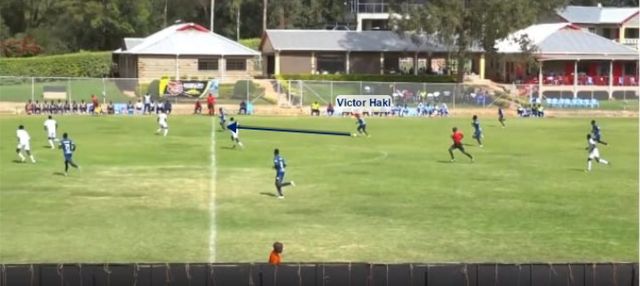
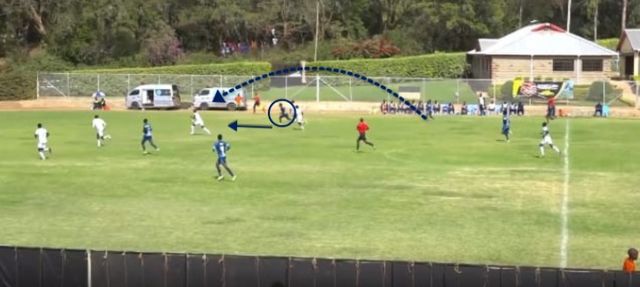
Akwanyi often drops deep into midfield to collect the ball, acting as a conduit to link play and progress attacks. Once he has drawn in opponents, he makes intelligent forward runs behind the defensive line, exploiting space and creating goal-scoring opportunities.
This decision-making process is tactical gold: instead of isolated wide play, he seeks combinations in the interior that set up attacks in the final attacking zone, often winning fouls in the dangerous pocket near Zone 14.
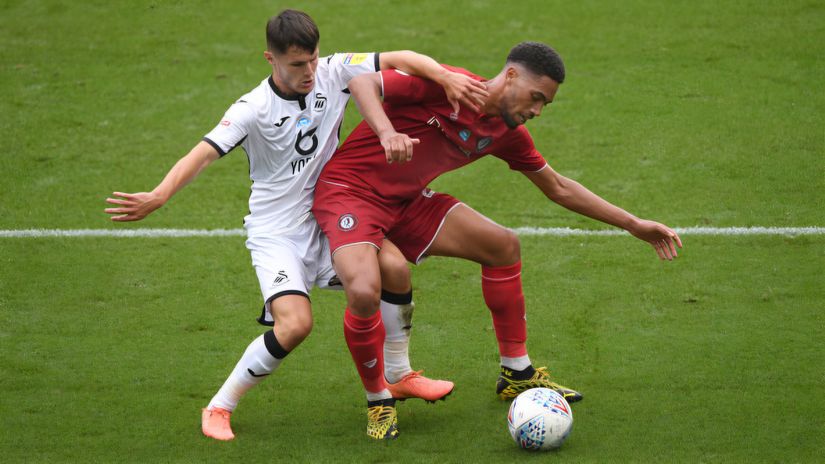
His good first touch and close-body shielding protect the ball under duress, while the mental acuity to read cues turns defensive interceptions into immediate progressive carries.
Among contemporaries, few possess this two-footed versatility paired with such active engagement in pressing - he does not merely occupy space but actively distorts opposition shape, making him the standout whose instincts elevate an average flank into a team-wide weapon.
Challenges surface where the same strengths meet friction.
While he thrives creating overloads and third-man movements when the left-back Tony Musa pushes high - drifting centrally to exploit the space - his productivity dips when forced to operate exclusively on the outside against compact blocks.
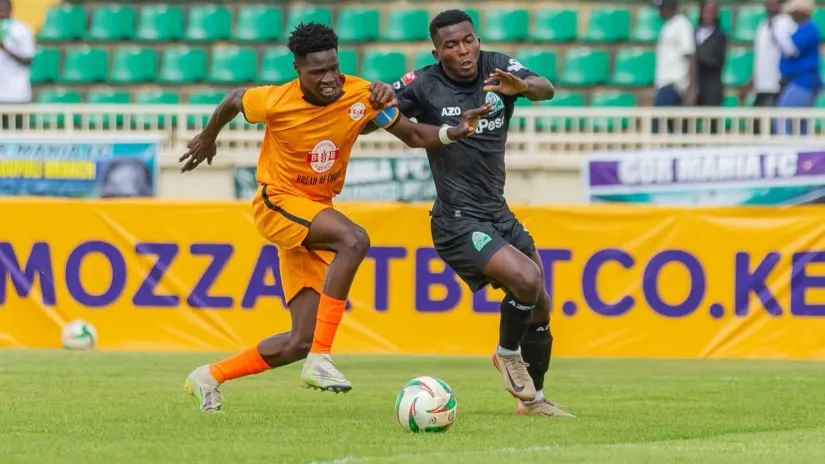
The instinct to carry inside, though highly effective, can occasionally leave him isolated if teammates lag in their supporting runs, turning a promising dribble into a turnover under double pressure.
Physically, the relentless front-foot pressing and tracking back demand sustained stamina across ninety minutes; mentally, maintaining that level of cue-reading when fatigue sets in tests the very instincts that make him special.
Yet these hurdles are woven into the same fabric: the close-body orientation that shields him in tight spaces also reminds him when to release the ball early, preserving the team’s rotational rhythm rather than stalling it.
His overall impact on Muranga Seal paints a vivid portrait of a player who makes the collective tick.
He is the heartbeat of a system that switches sides fluidly because his two-footedness and positional awareness allow instant adaptation.
When he accelerates the tempo with long carries and interior combinations, the entire team surges forward in choreographed waves; when he presses high or drops deep, the defensive structure gains an extra layer of compactness.
What makes him tick is that rare marriage of street-honed cunning - the kind that turns a loose back-pass into an overload - and selfless team discipline. He does not chase personal highlights; every run, every press, every inversion serves the greater rotational identity that defines Muranga Seal’s dynamic style.
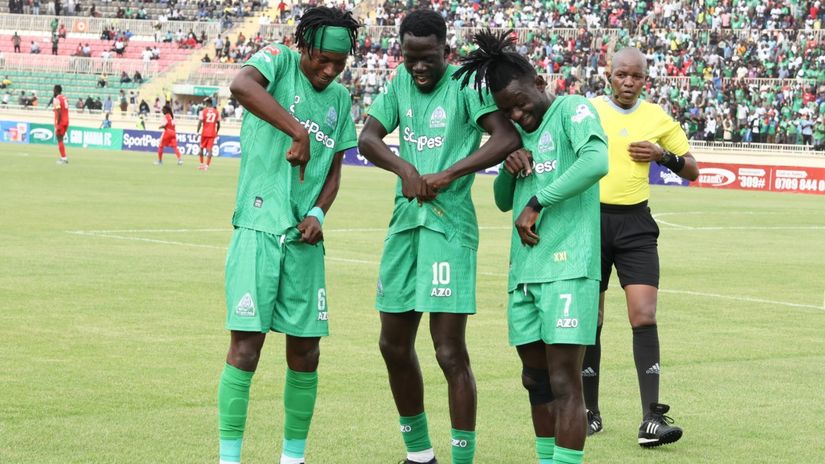
To continue evolving, Akwanyi can deepen his interior-channel decision-making under fatigue, ensuring those Zone 14 fouls translate more consistently into final-third combinations rather than isolated duels.
Refining his body orientation during long carries will minimise the occasional dispossession when the opposition crowds the inside lanes, allowing his already formidable work rate to yield even higher returns for the collective press and build-up phases.
In the final reckoning, Akwanyi does not simply patrol the left half-space; he orchestrates the perpetual rotational symmetry that turns Muranga Seal’s tactical blueprint from rigid lines into living, breathing waves of overload and counter-press - the winger whose every integrated trait keeps the entire system one step ahead of the opposition’s gaze.