


TACTICAL ANALYSIS : How Ivory Coast’s wide overloads, second-half adjustments pierced Ecuador’s block
Reading Time: 6min | Tue. 16.06.26. | 05:30
It was a mature, calculated performance from Ivory Coast, proving that structural adaptability remains the ultimate weapon against a stubborn defense
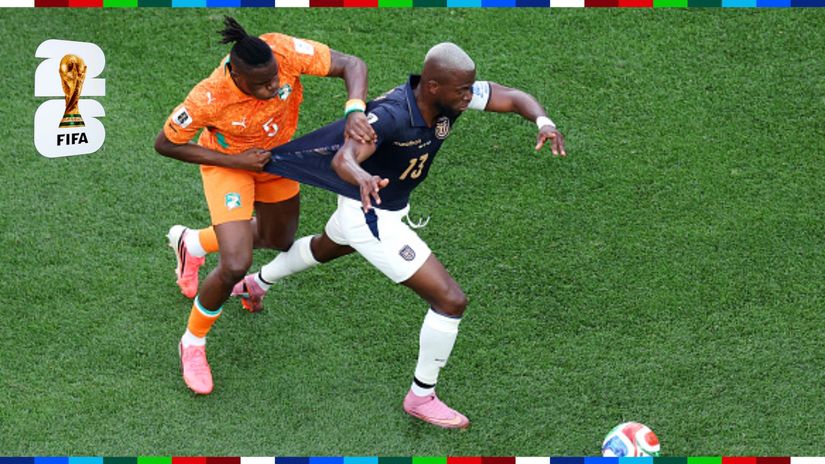
Ivory Coast secured a narrow 1-0 victory over Ecuador in a high-octane second match of group E world cup 2026 match defined by intense, man-oriented pressing systems, dynamic wide rotations, and decisive second-half adjustments.
Both teams traded blows in a fascinating tactical chess match that remained deadlocked until the dying embers of stoppage time.
Download our MozzartSport App For More News
This analysis explores the structural frameworks, out-of-possession defensive schemes, and positional mechanisms that ultimately allowed the Elephants to break through Ecuador's structure and secure a hard-fought win.
Ivory Coast deployed a nominal 4-2-3-1 base shape that prioritized athleticism and verticality. Yahia Fofana started between the posts, shielded by a center-back pairing of Agbadou Emmanuel and Wilfried Singo.
Guela Doue and Konan Ghislain provided natural width as the full-backs.
In the engine room, Franck Kessie and Seko Fofana formed a powerhouse double-pivot, tasked with anchoring the midfield and driving transitions.
Above them, Nicolas Pepe operated as the advanced central attacking midfielder, given the license to drift into half-spaces.
The frontline featured Yan Diomande on the right wing and Bazoumana Toure on the left, both flanking the central reference point, striker Elye Wahi.
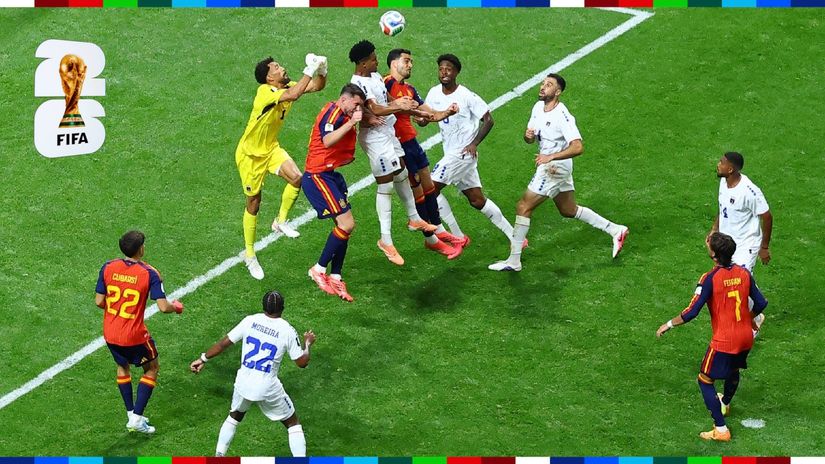
Ecuador countered with a flexible 3-4-3 system. Galindez Hernan started in goal behind a back three of Joel Ordonez, William Pacho, and Alan Franco. Moises Caicedo and Pedro Vite formed a highly energetic central midfield partnership.
Piero Hincapie acted as a dynamic left wing-back, while Gonzalo Plata pushed high on the opposite side.
The attacking trident consisted of John Yeboah on the right, Alan Minda on the left, and the veteran Enner Valencia leading the line as the central striker.
From the opening whistle, the match transformed into a tactical battleground dictated by aggressive, man-oriented high presses from both sides.
When Ivory Coast attempted to build deep from their own third, Ecuador pushed their front three high up the pitch, locking onto the Ivorian center-backs and forcing goalkeeper Yahia Fofana to bypass the short options and play direct, route-one football.
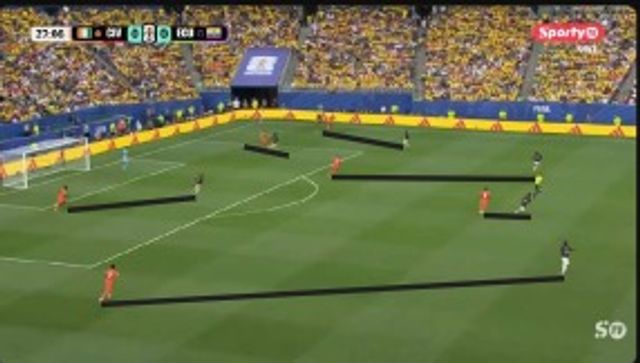
Conversely, the Elephants matched this defensive intensity with their own high-pressing scheme.
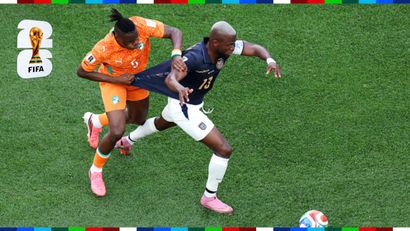
Right-back Guela Doue aggressively stepped into advanced positions up the right flank to join winger Yan Diomande, pinning Ecuador's left-sided defenders deep in their own half.
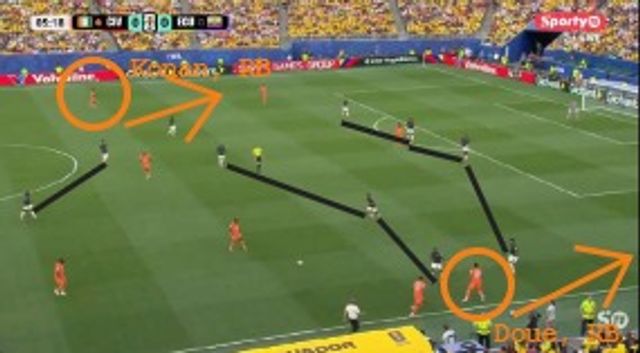
The primary trade-off of this aggressive approach was the space it surrendered when the initial press was breached.
Ecuador proved exceptionally sharp at forcing turnovers in the middle third and at the edge of Ivory Coast’s penalty box launching rapid counter-presses to catch Ivory Coast unawares.
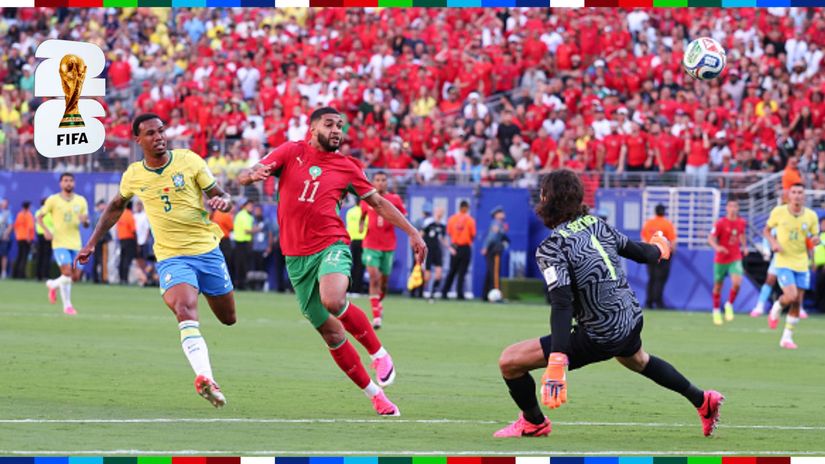
On multiple occasions in the first half, La Tri won the ball back within centimeters of the Ivorian penalty area. In the 29th minute, this intense pressure culminated in Minda unleashing a fierce strike from the left wing that rattled the woodwork.
The sheer physical demand of sustaining this high press took a toll on the Elephants.
By the 40th minute, Ivory Coast's central core was heavily compromised, with key midfielders Franck Kessie and Seko Fofana, alongside right-back Doue, all picking up yellow cards due to desperate tactical fouls required to halt Ecuadorian transitions.
When surviving the initial pressing phases, both teams morphed into distinct asymmetrical shapes in possession. Ecuador utilized a fascinating 3-2-5 attacking framework.
As they progressed into advanced territory, left wing-back Hincapie vacated his wide channel to invert directly into the left half-space as an auxiliary central midfielder.
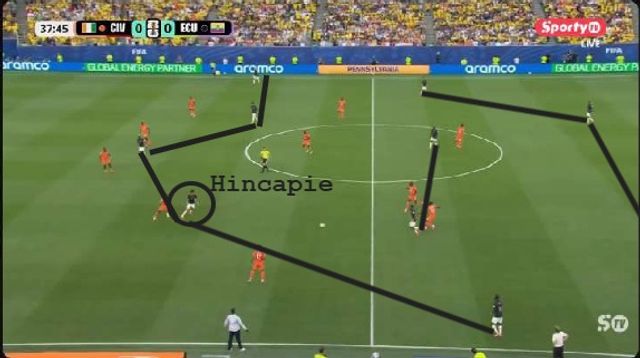
To maintain structural balance, either Caicedo or Pedro Vite dropped deep toward the left side of the defensive line, offering insurance against transitions.
This structural fluidity allowed Ecuador to overload the central channels, forcing Ivory Coast to drop out of their high press and retreat into a compact 4-4-2 mid-block to deny central penetration.
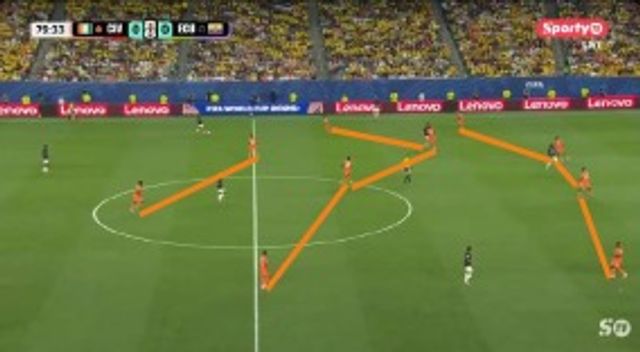
Ivory Coast's build-up relied on direct verticality and isolation principles.
Kessie acted as the primary deep playmaker, bypassing the congested Ecuadorian midfield by threading direct, vertical passes into the channels for Elye Wahi to chase.
Once Wahi pinned the opposition center-backs, the ball was recycled wide to exploit 1v1 isolation dynamics.
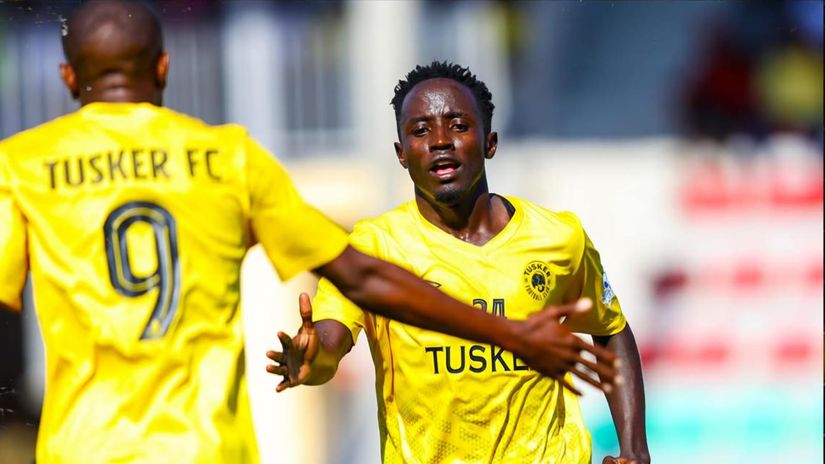
Diomande was the focal point of this strategy on the right wing. Ivory Coast consistently fed Diomande out wide, isolating him against Hincapie. Diomande's superior dribbling ability allowed him to manipulate his marker, driving deep into the final third to deliver cutbacks and crosses into the box.
This mechanism yielded a prime opportunity in the 34th minute, when Diomande carried the ball inside and picked out Pepe, whose goal-bound effort was blocked by a desperate Ecuadorian deflection.
The second half began with both managers attempting to solve the structural puzzles of the first 45 minutes.
Ecuador continued to find joy down the left flank, where Hincapie’s powerful driving runs posed a constant threat early in the second half.
Recognizing that his team was starting to lose control of the wide channels, Ivory Coast manager Emerse Faé executed a decisive tactical shift in the 55th minute.
He introduced Amad Diallo and Ange Bonny in place of Bazoumana and Wahi.
Crucially, Faé flipped his wingers: Diomande was shifted from the right to the left wing, while the newly introduced Diallo slotted into the right flank.
Ecuador responded with structural changes of their own in the 61st minute, introducing Preciado and Jackson Porozo for Yeboah and Franco.
This forced a defensive reshuffle: Ordonez moved to right-back as Ecuador mirrored Ivory Coast by adopting a 4-4-2 defensive mid-block to try preserve their clean sheet.
The tactical change briefly paid dividends for Ecuador; in the 68th minute, Preciado advanced down the right and delivered a cutback for Gonzalo Plata, whose powerful shot required a sharp save from Yahia Fofana.
Despite Ecuador's adjustments, Ivory Coast’s wing rotation ultimately broke the match open.
By placing Diallo on the right and Diomande on the left, Ivory Coast unlocked dynamic, asymmetrical attacking patterns.
With the tireless running of Bonny pinning the Ecuadorian center-backs deep, Ivory Coast began executing intricate, rapid combination play in the wide channels, building overloads around the edge of the opposition penalty box.
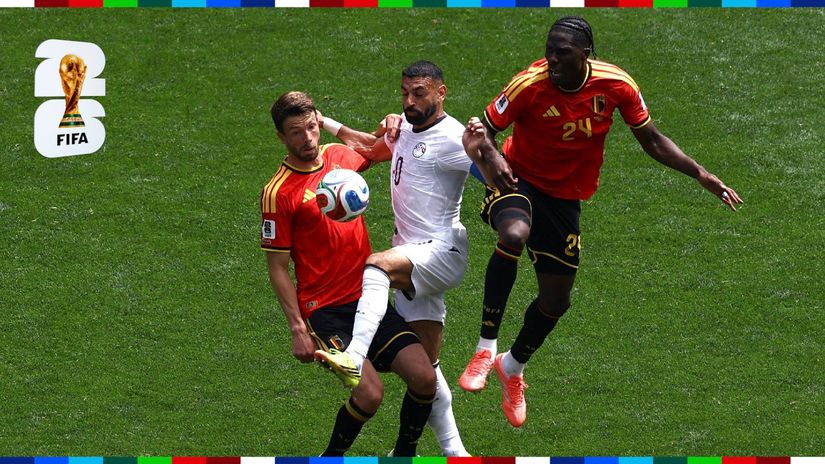
The crowning achievement of this tactical blueprint arrived in stoppage time. Center-back turned right-back Wilfried Singo(after Guela Doue was withdrawn due to danger of a red-card booking with the introduction of Kossonnou a minute earlier) , recognizing an opening in Ecuador’s tiring mid-block, stepped into the half-space and embarked on a driving run down the right flank.
Singo dragged the Ecuadorian coverage toward him before executing a perfectly weighted cutback into the penalty area.
Amad Diallo, capitalizing on the space created by Bonny's pinning run, timed his arrival perfectly to strike a first-time shot past Galindez Hernan.
This international encounter provided a masterclass in how positional fluidity and in-game structural adaptations can unpick an aggressive, well-drilled defensive scheme.
Ecuador's 3-2-5 attacking shape and inverted wing-back mechanics created substantial problems for Ivory Coast in the first half, twice exposing the Ivorian backline and hitting the woodwork.
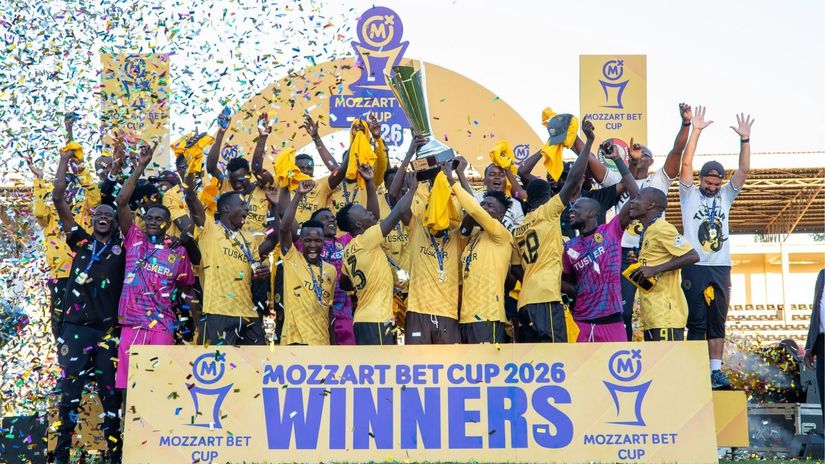
However, La Tri failed to convert their territorial dominance in the first half into goals, leaving themselves vulnerable to structural shifts.
Ultimately, the match was decided by the tactical proactivity of the Ivory Coast bench. The decision to rotate Diomande to the left and introduce Diallo on the right fundamentally altered the dynamics of the final third.
It was a mature, calculated performance from Ivory Coast, proving that structural adaptability remains the ultimate weapon against a stubborn defense.