


TACTICAL ANALYSIS: How Wydad unleashed heavy artillery on Asante Kotoko to reach Champions League group stage

.jpg)

Reading Time: 6min | Mon. 27.10.25. | 13:49
Wydad's 5-1 triumph was a masterclass in tactical execution, blending high pressing, fluid rotations, and adaptive structures to overwhelm Asante Kotoko
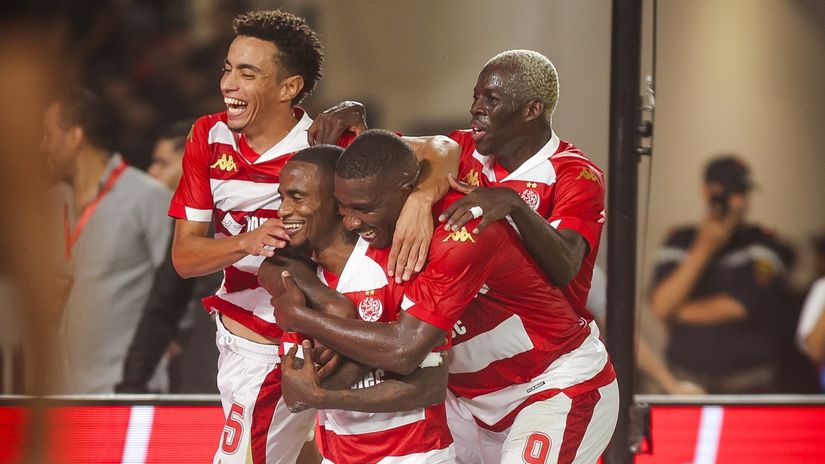
In a thrilling encounter that showcased the tactical depth of African club football, Wydad Athletic Club dismantled Asante Kotoko SC with a resounding 5-1 victory, securing their qualification for the group stage of the CAF Champions League.
Played on a night where strategy trumped individual brilliance, this match highlighted Wydad's superior organization, pressing intensity, and fluidity in possession against Kotoko's resilient but ultimately disorganized approach.
Wydad's ability to adapt and exploit weaknesses proved decisive, while Kotoko's moments of promise were undermined by defensive lapses and poor coordination.
Follow our WhatsApp channel for more news
First Half: Foundations of Dominance
Wydad entered the fray with a clear tactical blueprint, deploying Benabid El Mehdi in goal behind a back four consisting of; Moufid Mohamed at right-back, the marauding Ayoub Boucheta at left-back.
Amine Abdoulfath and Ferreira Guilherme started at the heart of the defence.
In midfield, Joseph Bakasu and Lamirat formed a solid pivot, providing balance, while Walid Nassi patrolled the right wing and Thembinkosi Lorch added flair on the left.
Up front, Stephan Aziz Ki operated just behind the lone striker Hannouri Hamza, morphing into a fluid 3-2-5 structure in possession.
This setup allowed Wydad to overload central areas while maintaining width, facilitating quick transitions, and exploiting spaces.
In contrast, Asante Kotoko’s coach, Abdul Karim Zito, opted for a more traditional 4-4-2 formation.
Aziz Haruna guarded the net, with Lord Amoah at right-back, Joseph Amoah at left-back, and Joseph Ablorh pairing with Henry Ansu in central defense.
The midfield engine room featured Gilbani Samba and Seth Kwadwo, flanked by Hubert Gyau on the right and Peter Amodu on the left.
Morifing Donzo played in the hole behind main striker Alber Amoah, aiming for direct play and counter-attacks.

The game exploded into life within the first minute, underscoring Wydad's intent.
A cross from Lorch from the left flank was met by Hannouri's powerful header, giving Wydad a 1-0 lead.
This early strike stemmed from patient build-up play from the back, where Wydad emphasized purpose over haste.
Their out-of-possession shape shifted to a 4-4-2 high press with man-marking, designed to suffocate Kotoko's attempts to play out.
This aggressive approach was particularly effective in the opening phases, with Wydad channeling attacks through the left side via Lorch's dynamism.
A key tactical motive for Wydad was their use of third-man combinations and triangles on the left, involving Boucheta's overlapping runs, Aziz Ki's intelligent positioning, and Lorch's dribbling prowess.
These rotations created attacking outlets, pulling Kotoko's defenders out of position and exposing gaps.
Kotoko, meanwhile, employed man-marking in their free-kicks defending inside the box, tracking runners diligently but often struggling with Wydad's movement.
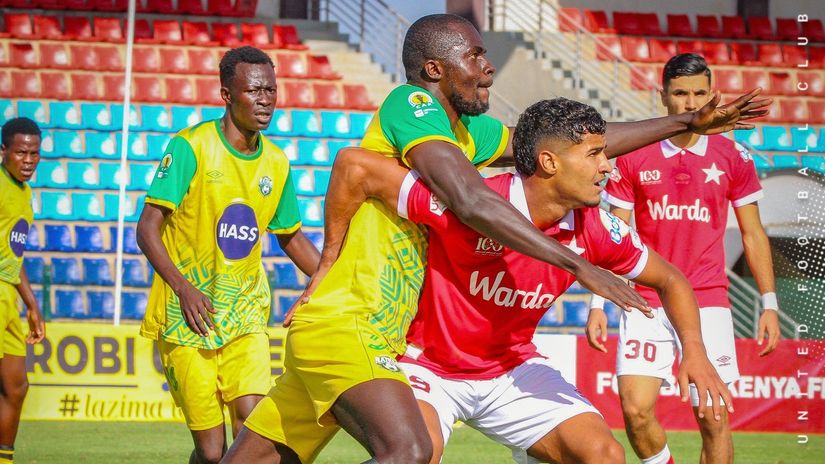
Wydad's pressing triggers were cleverly orchestrated; wide lateral passes from Kotoko acted as cues for Wydad to advance as a block, trapping opponents in wide zones with an aggressive swarm. This led to a compact 4-1-4-1 mid-block out of possession frequently when not pressing high, maintaining defensive solidity while inviting pressure to counter.
On set pieces, Wydad utilized a hybrid marking system for corners - three zonal markers complemented by man-markers inside and outside the six-yard box - ensuring they covered both aerial threats and short options.
Kotoko fought back admirably, equalizing in the 18th minute through their captain, Gilbani Samba, who rose highest to head home a corner.
This goal highlighted Kotoko's threat from set pieces, especially when defending deep in a 5-3-2 shape, which allowed them to absorb pressure and launch counters.
However, Wydad regained the lead in the 25th minute via Aziz Ki.
A coordinated high press led by Lorch forced a turnover; with Kotoko's goalkeeper lured off his line, Aziz Ki slotted into an empty net for 2-1.
As the half-time whistle approcahed, Kotoko seized momentum, pushing forward aggressively.
They adopted a man-marking system out of possession, but were frequently bypassed by Wydad's third-man runs and combinations, revealing coordination issues in their press.
Kotoko's front-foot approach created chances, but their lack of synchronicity in pressing and in the final third allowed Wydad to maintain control, heading into halftime with a slender lead.
This first period illustrated Wydad's tactical superiority in build-up and pressing.
Their ability to manipulate spaces through positional fluidity contrasted sharply with Kotoko's more rigid structure, which, while resilient, lacked the adaptability to handle overloads.
The goals were direct products of these dynamics: Hannouri's opener from structured attacking play, Samba's equalizer from a set piece, and Aziz Ki's strike from pressing efficiency.
Second Half: Exploitation and Collapse
The second half saw Kotoko attempting to leverage set-piece opportunities to claw back, but Wydad's disciplined defending neutralized these threats.
Early drama unfolded when Nassi made a penetrating run behind Kotoko's defense, latching onto a through pass from Abdoulfath and drawing a foul from the onrushing goalkeeper inside the box.
The resulting penalty in the 53rd minute was coolly converted by Lorch with a Panenka chip, extending the lead to 3-1.
Wydad's fluidity intensified, with positional rotations upfront causing havoc for Kotoko's backline.
Their pressing evolved into a 4-1-3-2 or 5-3-2 shape, providing numerical superiority in midfield while allowing quick recoveries.
Long balls targeted Aziz Ki and the striker Tumisang Orebonye, replacing Hannouri after an injury, who operated between the lines to disrupt Kotoko's organization.
Build-up play became a weapon: Wydad's goalkeeper and center-backs would circulate short to bait Kotoko's press, only for the keeper or the centre-backs to launch long balls over the top, bypassing midfield congestion.
This tactical bait-and-switch made Kotoko predictable and vulnerable.
A triple substitution in the 65th minute injected fresh energy into Wydad: Mouad Aouznou, Mohammed Bouchouari, and Oussama Zemraoui replaced Aziz Ki, Moufid, and Lorch.
This move maintained their intensity, with the newcomers seamlessly integrating.
Kotoko responded had a hybrid marking system on corners - two zonal markers alongside man-markers - but it proved insufficient.
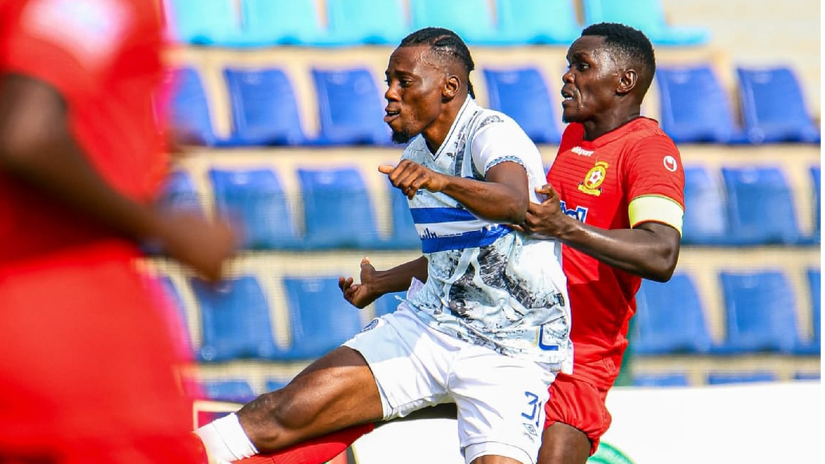
Wydad's man-marking of Kotoko's pivot and midfielders forced the Ghanaians to recycle possession through their backline before resorting to long balls, stifling progression and rendering them predictable.
In response, Kotoko shifted to a 3-2-5 structure, committing more bodies forward in a bid for an upset, but this exposed them defensively.
The game's decisive blows came late.
In the 84th minute, Zemraoui capitalized on superb third-man run combinations, finishing off Aouznou's pass from the left flank to make it 4-1.
The rout was completed in the 91st minute via a blistering counter-attack: Nassi initiated the move, combining with Lamirat and Zemraoui, whose exquisite assist found Bouchouari for a near-post finish past the helpless goalkeeper, sealing 5-1.
Conclusion: Tactical Mastery Secures Qualification
Wydad's 5-1 triumph was a masterclass in tactical execution, blending high pressing, fluid rotations, and adaptive structures to overwhelm Asante Kotoko.
Key to their success was the exploitation of third-man principles, which consistently unlocked Kotoko's man-oriented defending.
The Moroccans' ability to transition seamlessly between possession shapes and defensive blocks provided balance, while their pressing triggers and set-piece organization minimized threats.
Kotoko, despite flashes of resilience - evident in Samba's equalizer and late-first-half pressure - were undone by defensive lapses and an inability to handle overloads.
Their shift to more attacking postures in the second half only amplified vulnerabilities, leading to counters that Wydad ruthlessly punished.
For Wydad, it's a platform to build upon in the group stage; for Kotoko, a reflective opportunity to refine their defensive synchronization.
With five goals from varied sources, Wydad's performance was not just victorious but emphatically tactical.