


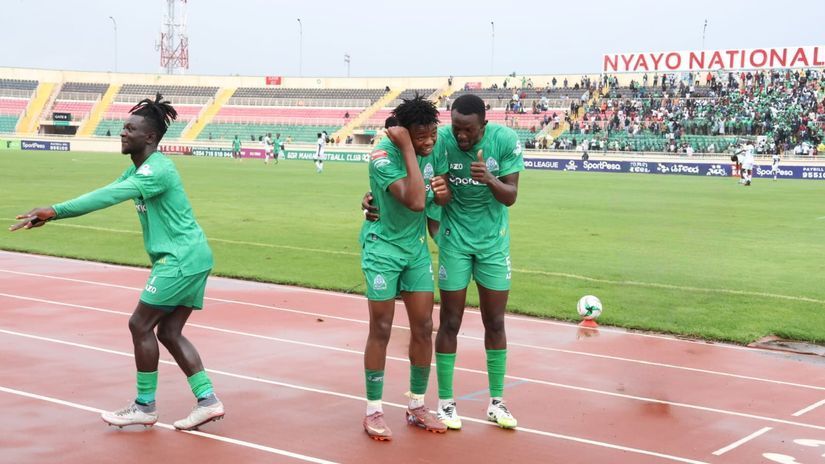
TEAM ANALYSIS: Breakdown of Gor Mahia's blueprint and emphatic scorelines

.jpg)
.jpg)
.jpg)

Reading Time: 5min | Thu. 26.02.26. | 07:31
By “killing” matches early, Gor avoid chaotic closing phases that demand repeated emergency sprints and emotional surges
Under the stewardship of Charles Akonnor, Gor Mahia have developed a conspicuous and increasingly repeatable match pattern across their recent sequence of 3-0 victories: ferocious first-half assertion followed by composed, territorially managed second halves.
Against KCB F.C., three first-half goals effectively extinguished competitive tension before the interval.
The same script unfolded versus Sofapaka F.C., where another trio of early strikes sealed the contest by halftime. Prior to that, against Mara Sugar F.C., Gor Mahia surged into a two-goal lead early before adding a late third. What initially appeared stylistic is now statistical, structural, and strategic.
Follow our WhatsApp Channel for more news
The numbers sharpen the narrative. Across their last five matches, Gor Mahia have scored 9 of their 13 total goals in the first half - approximately 69% of their output concentrated before halftime.
That is not anecdotal fluctuation; it is a quantifiable trend. When nearly seven out of every ten goals arrive within the opening 45 minutes, the pattern reflects deliberate tactical sequencing.
Gor are not merely starting matches well - they are structurally prioritising early breakthrough phases as the decisive battleground.
Modern football revolves around game-state engineering. Akonnor appears to treat the first half as the phase in which leverage is built.
Establishing a two- or three-goal cushion early transforms the psychological architecture of the match. The burden of initiative shifts decisively to the opposition. Compact mid-blocks dissolve.
Full-backs advance higher. Vertical risk increases. Midfield distances stretch. Central compactness weakens. The first half becomes an arena of assertion; the second becomes an exercise in control.
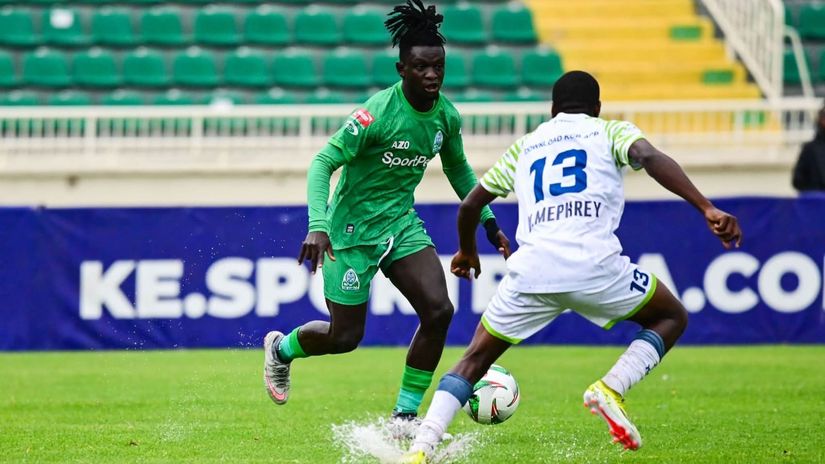
The contextual lens of the KCB encounter is instructive. Challenging weather conditions and a potentially deteriorating playing surface likely encouraged vertical efficiency over prolonged positional dominance.
When technical reliability is threatened, directness becomes rational. Gor compressed their most aggressive attacking sequences into the opening period - high pressing, rapid transitions, aggressive half-space occupation - scoring three goals before halftime.
Once the surface grew heavier and rhythm riskier, the match shifted from expansion to administration. It was not retreat; it was recalibration
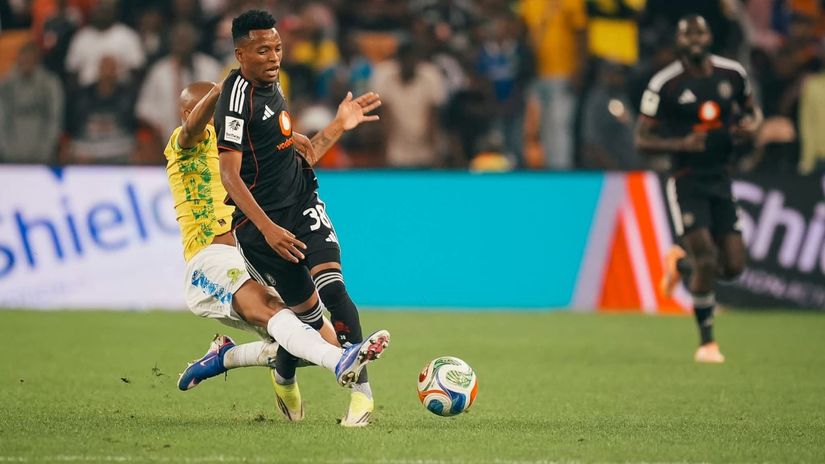
Energy allocation further clarifies the model. Gor’s early phases have been defined by coordinated pressing triggers, narrow vertical distances between lines, and intense counter-pressing upon loss.
These mechanisms demand sprint frequency and cognitive sharpness. Sustaining that tempo for 90 minutes, particularly within league congestion, is physically inefficient.
What emerges is a front-loaded intensity model: overwhelm early, then modulate.
This modulation is supported by performance data beyond goal timing. In both the Mara Sugar and Sofapaka fixtures, Gor’s attempts-to-goal ratio declined a little bit in the second half.
Shot volume reduces. Conversion opportunities narrow. Superficially, this could be misread as drop-off. In reality, it signals controlled de-escalation.
The team is not failing to create; it is choosing to create less. Aggressive chance generation is concentrated in early intensity windows. Once game state is secured, risk appetite narrows.
Even more revealing is the possession-by-third distribution across time. In second halves, ball retention increasingly shifts toward Gor’s own half, while attacking-third occupation lowers.
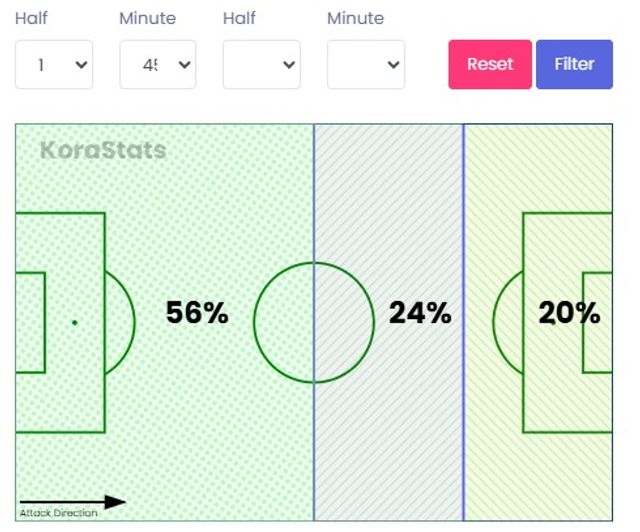
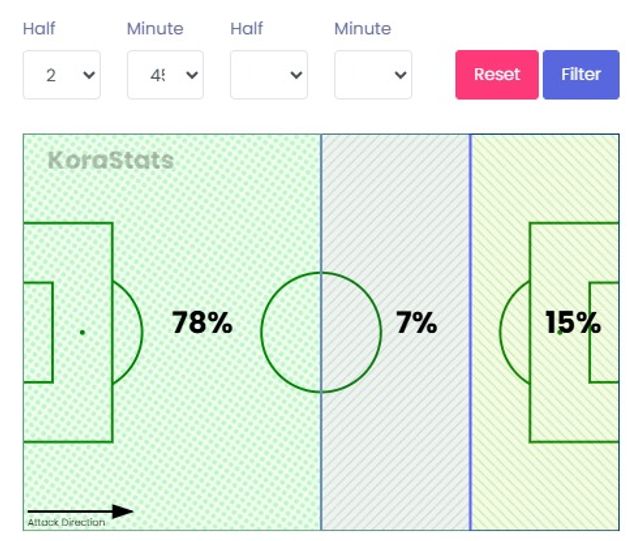
Heat map above shows a shift from stronger final-third occupation in the first half to increased own-half possession in the second against Sofapaka
This pattern confirms structural recalibration rather than fatigue. It indicates defensive consolidation, controlled tempo, reduced vertical risk, and strategic territorial retreat without surrendering control.
Possession in deeper zones draws opponents forward, creating optional transitional spaces while simultaneously protecting rest-defence integrity.

Declining final-third possession does not equate to loss of authority.
It can instead represent maturity - lowering match volatility once superiority is established. Gor appear to prioritise central compactness and energy conservation over aesthetic territorial dominance when leading comfortably.
They are managing probability, not spectacle.
Structurally, the first halves exhibit clear attacking architecture. Gor frequently overload the left in build-up, luring opponents toward that corridor before isolating space on the far side.
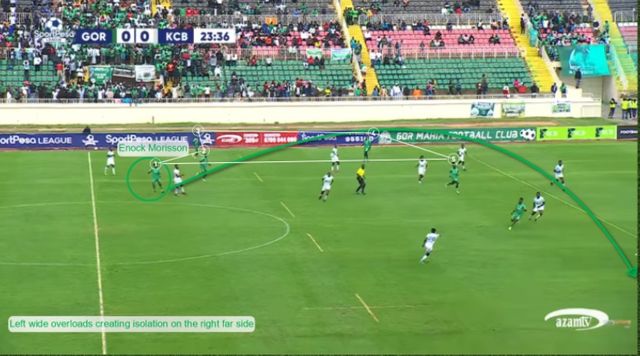
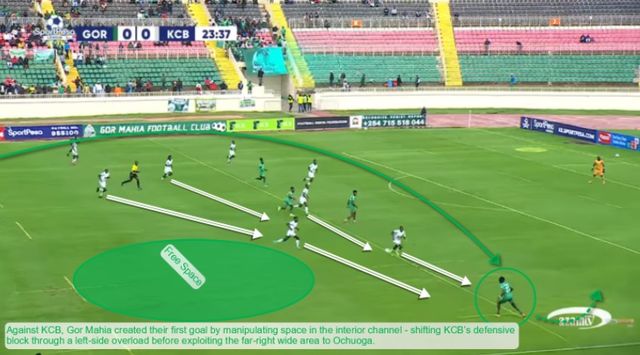
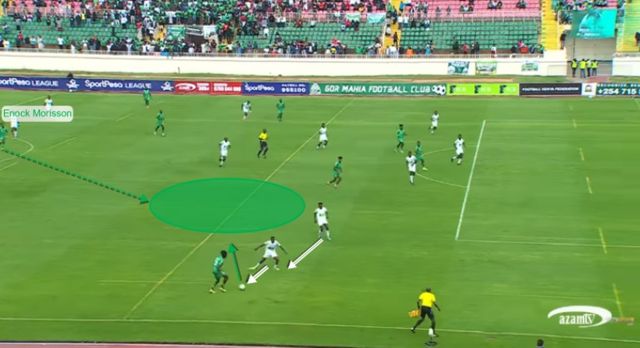
Half-spaces are aggressively occupied, enabling third-man combinations and diagonal penetrations.
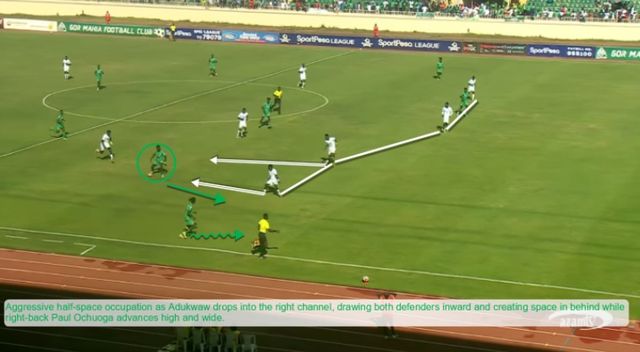
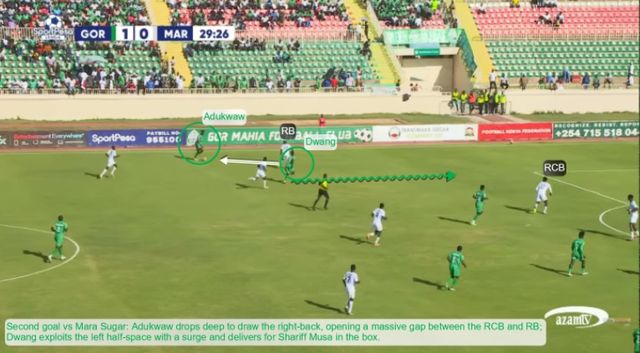
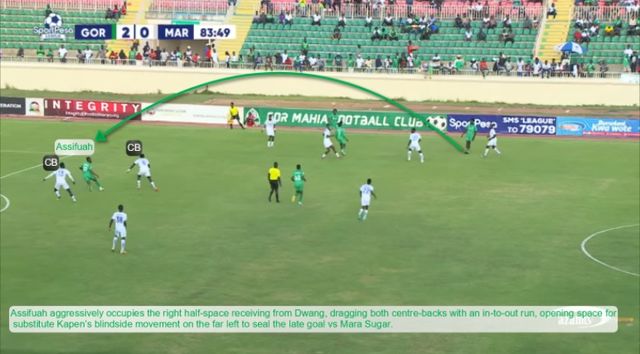
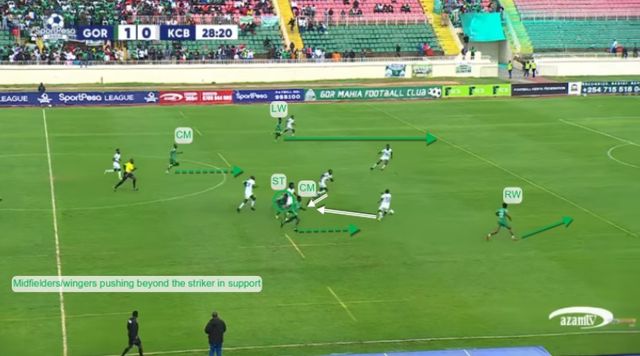
Full-backs advance assertively to stretch horizontal lines, while midfielders make delayed box arrivals to create numerical superiority between centre-backs.
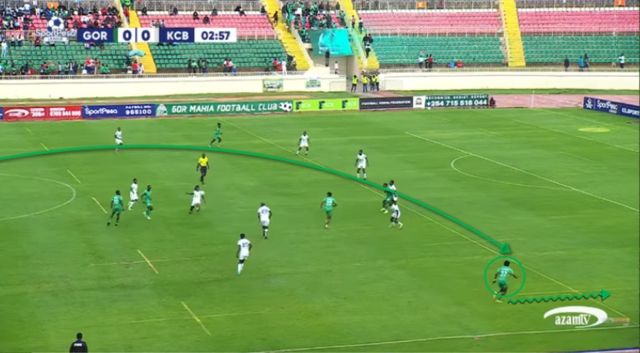
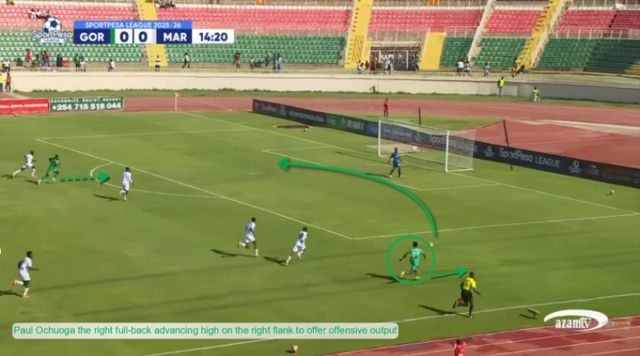
These mechanisms destabilise opponents before they settle into defensive rhythm.
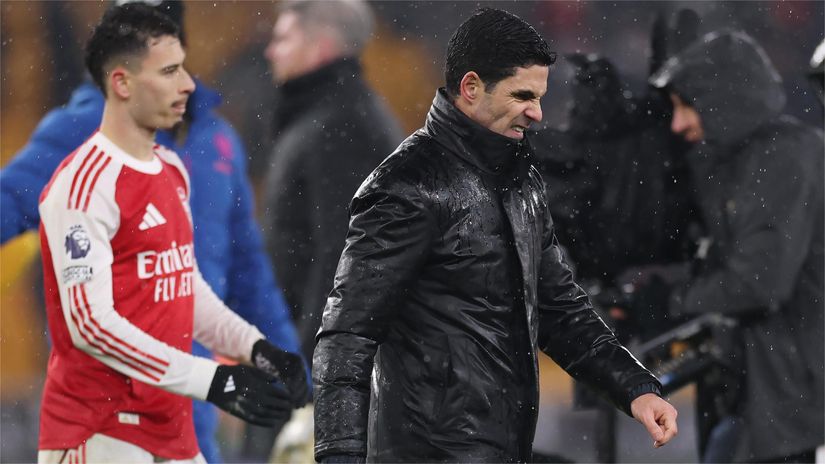
Yet such bravery increases rest-defence exposure. With full-backs high and midfielders/wingers advancing beyond the ball, transitional lanes open.
Once ahead, Gor’s structural posture subtly evolves. One full-back, often Bryton Onyona, remains deeper. Enock Morisson or Alpha Onyango anchors closer to the centre-backs.
Line distances compress. The pressing height lowers incrementally. PPDA effectively rises as immediate ball recovery becomes less urgent.
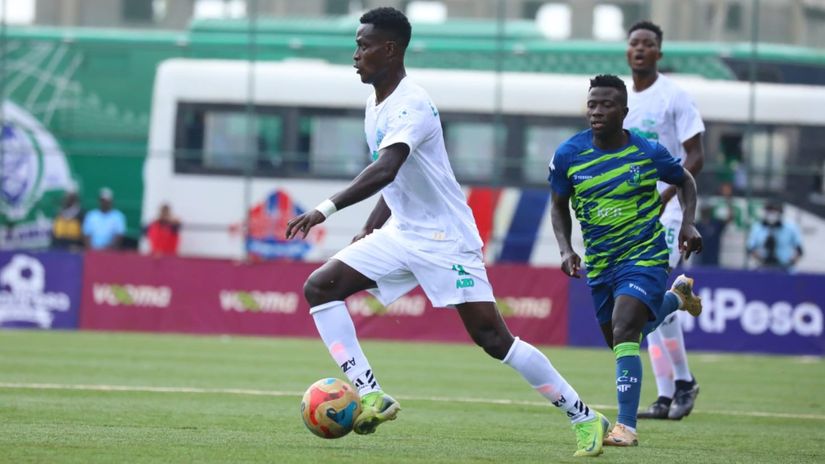
Central channels are protected first; wide deliveries are conceded selectively. Risk becomes proportional to game state.
Psychology reinforces the architecture. Scoring three first-half goals imposes emotional dominance.
Opponents often experience deflation, altering their internal belief metrics. Gor no longer need to chase further goals with urgency.
Tempo stabilises. Circulation becomes calmer and more lateral. The match shifts from chaos generation to entropy control.
The earlier 3-2 comeback against Muranga Seal F.C. provides important subtext.
Trailing 2-0 before mounting a recovery may have served as a tactical inflection point. Reactive approaches increase volatility. Chasing matches introduces structural risk.
Since that encounter, Gor’s pattern has been clear: seize initiative early rather than rely on second-half rescue missions. The awakening appears internalised.
This approach aligns with long-term campaign management.
Minimising high-stress finales reduces cumulative fatigue and injury probability. By “killing” matches early, Gor avoid chaotic closing phases that demand repeated emergency sprints and emotional surges.
Even in the Mara Sugar game, after early control, they demonstrated selective re-acceleration with a late third goal - proof that intensity remains available when strategically deployed.
Defensively, the second-half identity is disciplined and structurally compact.
Spacing between centre-backs and midfielders narrows to deny central penetrations. Box defending becomes organised and anticipatory. Counter-pressing transitions into positional containment.
Rather than flooding forward, Gor maintain territorial security and invite lower-percentage wide deliveries.
When the three reference data points are integrated - 69% of goals in first halves, reduced second-half shot volume and attempts-to-goal ratio, and increased own-half possession with declining attacking-third occupation - the tactical narrative becomes coherent and compelling.
This is not a second-half fade; it is controlled territorial regression. It is modulation, not malfunction.
The key sustainability question remains: what happens when early goals do not arrive? Can the team sustain high pressing deeper into matches? Will opponents adapt by compressing early phases and forcing Gor into prolonged territorial dominance? These are legitimate future tests.
However, current evidence suggests intentional design rather than structural fragility.
Charles Akonnor’s Gor Mahia are not simply winning games - they are sequencing them. The first halves are theatres of calculated aggression, structural bravery, and pressing ferocity. The second halves are laboratories of game-state management, compactness, and psychological authority. Efficiency supersedes extravagance.
K’Ogalo are deciding not only how to win, but when to win - and in doing so, they are reducing football matches to controlled strategic exercises rather than unpredictable endurance trials.