


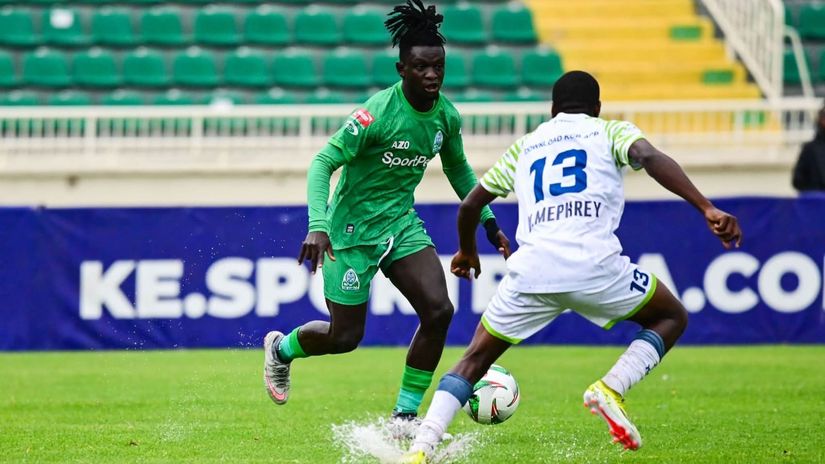
TACTICAL ANALYSIS: Gor Mahia's gameplan that outclassed Robert Matano's KCB

.jpg)
.jpg)
Reading Time: 5min | Mon. 23.02.26. | 21:02
Gor Mahia did not simply outplay KCB - they systematically dismantled their defensive framework
Gor Mahia secured a commanding 3-0 victory over KCB FC in an FKF Premier League match defined by wide overloads, intelligent striker movements, and aggressive counter-pressing control.
Beyond the scoreline, this was a contest shaped by structural manipulation and the exploitation of a high defensive line that repeatedly left KCB vulnerable.
Follow our WhatsApp channel for more news
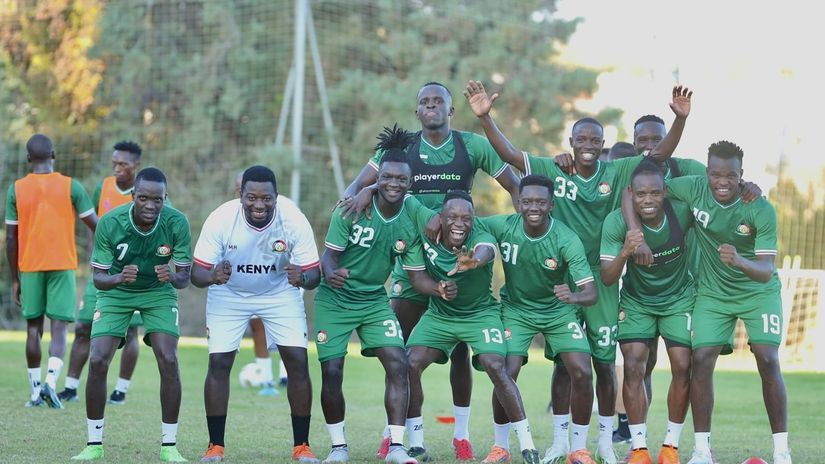
From the outset, Gor Mahia set up in a 4-3-3 structure. Gad Mathews operated in goal behind a back four of Paul Ochuoga at right-back, Bryton Onyona at left-back, and the central defensive pairing of Frank Odhiambo and Sylvester Owino.
The midfield trio consisted of Enock Morrison, Alpha Onyango, and Jackson Dwang, while Sharif Musa and Samuel Kapen flanked striker Ebenezer Assifuah.
KCB, in contrast, adopted a 4-2-1-3 shape. Arnold Monzobo guarded the goal behind Nashon Wekesa, Clyde Senaji, Amatton Samunya, and Memphrey Wamdera.
Dennis Maruti anchored the midfield with Hemphrey Mieno slightly advanced, while Fortune Omotto supported striker Samuel Feargod.
David Sakwa and Kevin Etemesi provided width.
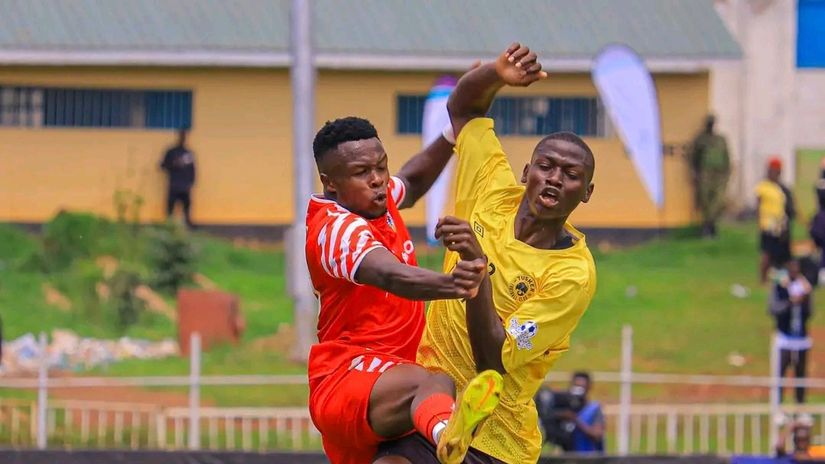
Gor Mahia’s 4-3-3 morphed in possession, particularly through left-sided overloads, while KCB’s 4-2-1-3 often flattened defensively into a mid-to-high block designed to protect central zones and sustain a high line.
KCB’s defensive scheme relied heavily on maintaining vertical compactness through a high back line, especially during Gor Mahia restarts.
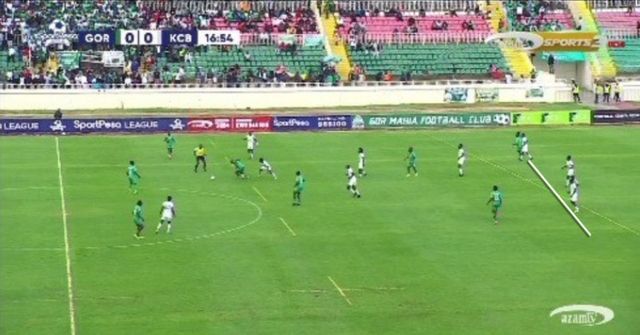
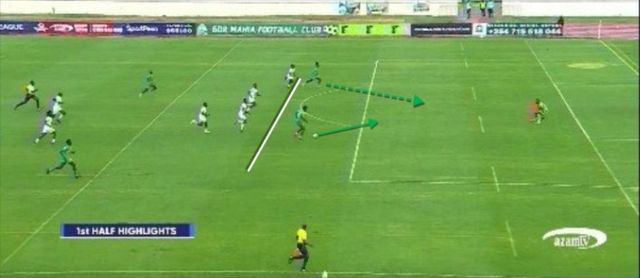
The intention was clear: compress the pitch to contest long goal kicks and prevent second-ball scenarios.
However, this approach created space behind the defensive line and demanded precise coordination in their offside trap.
Their block was not purely zonal; it carried man-oriented tendencies in midfield, particularly when tracking interior movements. This became the core structural weakness Gor Mahia repeatedly targeted.

In the build-up, Gor Mahia showed a clear left-sided bias. They overloaded that corridor, combining through Onyona, Morrison, and Alpha Onyango to attract KCB’s defensive attention.
This forced KCB’s right side to collapse inward, narrowing their defensive shape.
The strategic effect was isolation on the far side, where Kapen or Ochuoga could receive diagonal switches or deep progressive passes.
Alpha Onyango, in particular, acted as a distributor, identifying moments when the weak-side winger could be released into space.
Crucially, Assifuah’s movement amplified this dynamic.
Rather than remaining pinned between the centre-backs, he frequently drifted deep or into wider zones. This dropping movement forced KCB’s defenders into a dilemma: step out and leave space behind, or hold their line and allow him to receive between the lines.
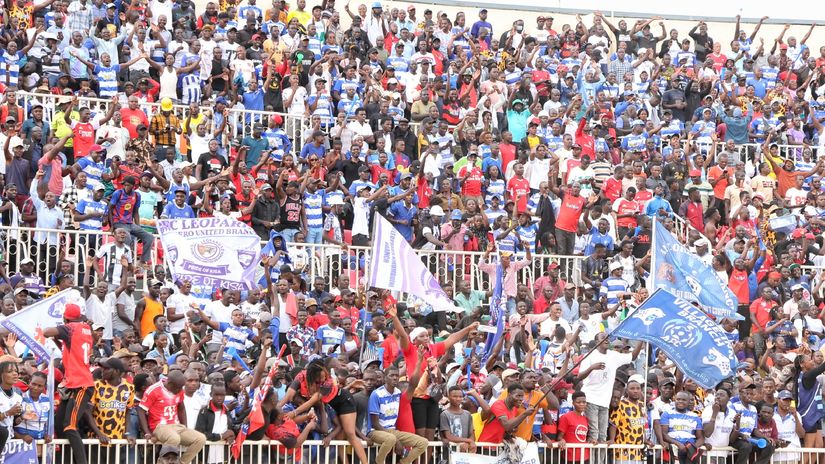
Each decision carried consequences, and Gor Mahia exploited both scenarios.
The opening goal in the 23rd minute reflected structural manipulation rather than mere individual brilliance.
After isolating Ochuoga wide on the right, Gor Mahia repositioned centrally. Morrison drifted into space between the lines, receiving a layoff before striking from distance.
The deflected effort gave Gor Mahia the lead, but the underlying pattern was more important: wide isolation created central access.
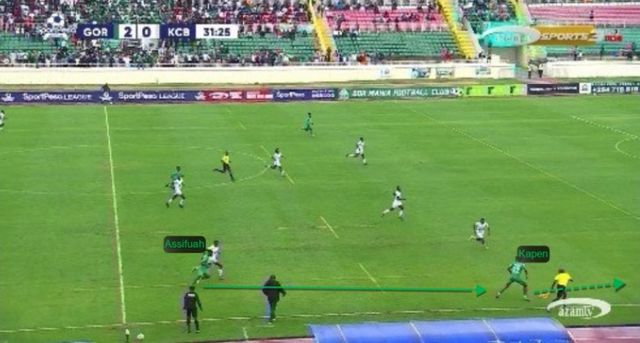
Five minutes later, the second goal exposed KCB’s high line. Assifuah dropped deep for a hold-up action, drawing defenders with him before turning and setting Kapen in space.
Kapen timed his run into the half-space, exploiting the gap left by the retreating centre-backs attempting to execute an offside trap.
The defensive line hesitated, caught between stepping and holding. Kapen capitalised, passing the ball to Shariff, who finished clinically for 2-0. Again, movement caused a dilemma, which in turn produced disorganisation.
KCB’s attacking plan had its own structure. They progressed through wide combinations between centre-backs and full-backs, attempting to feed half-space receivers.
A major outlet was Kevin Etemesi on the left, who made repeated runs behind Gor Mahia’s defence.
Additionally, they sought aerial gains through long goal kicks targeting their striker, aiming to secure second balls higher up the pitch.
However, Gor Mahia’s box defending was disciplined. Crosses were blocked aggressively, and central defenders managed aerial duels effectively.
Pressing became another decisive factor. Gor Mahia applied an aggressive high press when KCB attempted to build.
Their front three curved runs to force play wide, while the midfield stepped up to compress passing lanes into the pivot.
The pressing triggers were clear: backward passes or wide receptions facing their own goal. The outcome was rushed distribution and transitional opportunities.
The third goal in the 44th minute epitomised this mechanism. Gor Mahia regained possession as KCB advanced. Morrison immediately controlled and released Shariff Musa into the left half-space. Musa’s pace stretched the high defensive line before he delivered a low cross across goal.
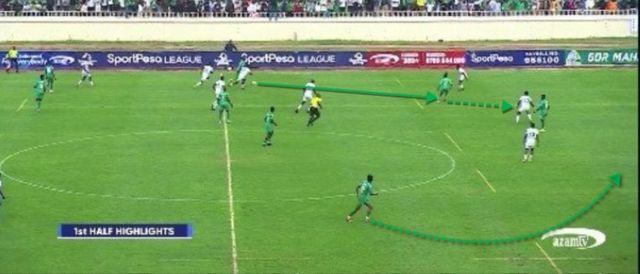
Kapen, arriving on the opposite flank, executed a composed first touch and powerful finish. Transition speed combined with weak-side occupation - a recurring pattern - sealed a dominant first half.
Equally important was Gor Mahia’s rest-defence structure. Even while committing numbers forward, the central defenders and holding midfielder remained well-positioned to deal with counter-attacks.
Their proximity to the ball after losing it allowed immediate counterpressure. As a result, KCB struggled to mount sustained transitions despite Gor Mahia’s aggressive tempo.

In the second half, KCB introduced Francis Kahiro and Francis Kahata, replacing Feargod and Omotto.
The adjustment aimed to inject fresh attacking impetus and increase aerial presence. KCB began targeting earlier crosses and relied more heavily on direct goal kicks toward Kahiro for aerial duels.
While this improved territorial presence, it also reduced central combination play.
However, Gor Mahia’s defensive compactness limited penetration. The back line maintained spacing discipline, stepping when necessary but avoiding overcommitment.
Musa continued to exploit transitional space on the left, and Kapen persisted with out-to-in runs targeting cutbacks and crosses.
The structural themes remained intact: width stretching KCB’s shape, central occupation through movement, and rapid exploitation of disorganisation.

As the game state shifted deeper into the second half, Gor Mahia demonstrated maturity. Rather than forcing attacks, they circulated possession calmly, reducing tempo and limiting transitional chaos.
This game management phase reflected tactical awareness: control through possession instead of relentless verticality.
Ultimately, the match was defined by Gor Mahia’s superior structural clarity. They identified KCB’s high line and man-oriented tendencies as exploitable weaknesses and attacked them repeatedly through overload-to-isolation patterns.
Their pressing restricted KCB’s build-up rhythm, and their rest-defence prevented counter-attacking threats. KCB’s adjustments improved directness but failed to resolve the core issue: vulnerability in wide defensive transitions and behind the defensive line.
The 3-0 scoreline was not accidental or solely momentum-driven. It was the logical outcome of repeated structural exploitation, coordinated pressing, and disciplined defensive organisation.
Gor Mahia did not simply outplay KCB - they systematically dismantled their defensive framework.