



FEASSA-winning coach urges KSSSA to expand school games slots to unlock hidden talent
.jpg)
.jpg)






Reading Time: 4min | Thu. 14.05.26. | 07:30
The experienced tactician says limiting qualification slots from each region denies many gifted players the exposure needed to grow their careers
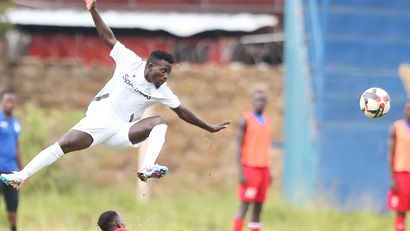
Renowned grassroots football coach George 'Lio' Owoko Oduor has challenged the Kenya Secondary Schools Sports Association (KSSSA) to increase the number of teams qualifying for the national championships.
Download our Mozzart Sport app for more news
Owoko argues that the current structure is locking out thousands of talented players across the country.
The tactician, who currently heads football at Amus College Bukedea in Uganda and also coaches the school’s football team, believes Kenya can borrow heavily from Uganda’s school games system to widen opportunities for young players and strengthen talent development pathways.
The experienced tactician, who has coached in both Kenya and Uganda for nearly two decades, said limiting qualification slots from each region denies many gifted players the exposure needed to grow their careers.
“If we increase the number of teams qualifying, even talented players without connections will also have a chance to succeed in football,” Owoko told Mozzart Sport.
“I want to request KSSSA to consider increasing the numbers instead of focusing too much on the budget side because we are sitting on a lot of untapped talent.”
Currently, school football qualification in Kenya allows one boys’ and one girls’ team from each of the former eight provinces to reach the national championships, leaving the competition with only eight teams in each category.
Hosts are occasionally handed extra slots, especially in situations where the North Eastern region fails to produce representatives.
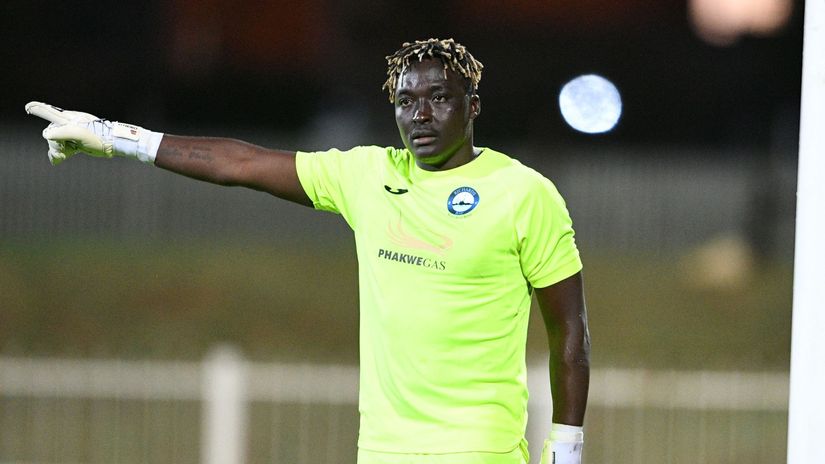
According to Owoko, the system significantly limits exposure for players from football-rich regions such as Western and Nyanza, where several strong school teams often miss out despite possessing immense quality.
The former Tusker assistant coach pointed out that schools like Butere Boys, Ebwali, Emusire, Vihiga High and Mukumu continue producing quality players, but many never get the chance to compete on the national stage because only one team advances.
“In Western, we have very many strong teams, but the majority never get a chance to play at the national level. It is not because they are poor teams, but because we are denying these children opportunities by limiting the slots,” he explained.
“With the amount of talent in regions like Western, why can’t we allow maybe four teams from every level to qualify? That would automatically make the competition more competitive and help expose more players.”

He praised Uganda’s school games structure, saying it has created intense competition while giving more players an opportunity to be noticed by scouts and coaches.
“In Uganda, four teams qualify from almost every stage. Once you reach the semi-finals, you are assured of progressing to the next level,” he noted.
“That system has created serious competition and improved talent development. If Kenya can implement something similar, it would help because we have so many talented players, especially in places like Nyanza, who never get the opportunity to showcase themselves.”
The veteran youth coach lamented that many players spend all four years in school football without ever reaching regional or national competitions despite their quality.
“We have very good players in schools like Ambira and Sigomere who play from Form One to Form Four but never get the chance to step onto the regional or national stage,” he said.
Owoko, who started his coaching journey in 2004 after ending his playing career at SC Villa, has built a strong reputation in East African school football over the years.
Among his notable achievements include guiding Ambira High School to back-to-back Copa Coca-Cola U17 national titles in 2010 and 2011, leading Barding High School to the FEASSA football crown in 2016, and steering St Anthony’s Boys Kitale to the National and Africa U20 Copa Coca-Cola Championship title in 2018.
He also played a role in Amus College Bukedea’s successful FEASSA Boys’ Football title-winning campaign in 2024.
Beyond competition structures, Owoko also called on Kenyan football stakeholders to embrace learning from neighbouring countries instead of assuming Kenya has all the answers.
“I have learnt a lot during my stay in Uganda. The problem with us Kenyans is that sometimes we think we already know everything and we fail to learn from our neighbours,” he said.
“You even find Kenyan instructors going to Uganda to train coaches, but the Ugandans are humble enough to learn and pick ideas from others. Kenya has resources and potential, but we need to stop the culture of complaining and focus on improving structures.”
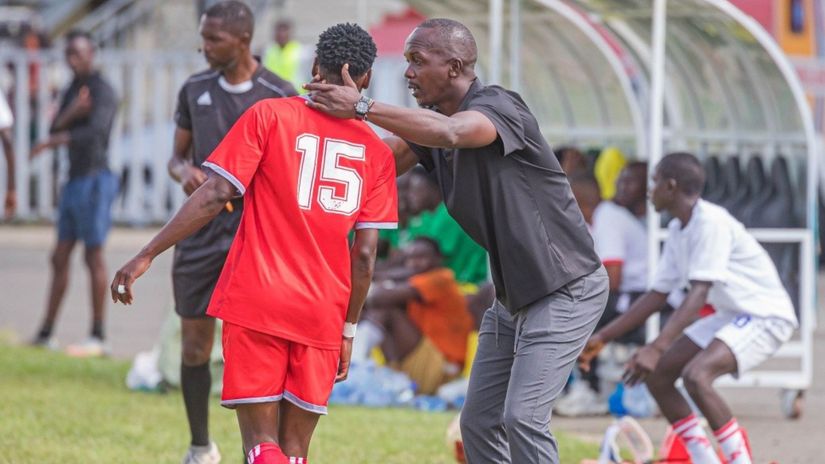
The seasoned tactician further claimed that grassroots football in Kenya is often managed by people with limited understanding of youth development.
“Many of the organisers and coaches we have in Kenya are not people who truly understand grassroots football. Some just got opportunities after playing in the Premier League, but youth football requires patience, structure and proper understanding,” he added.
“With my experience in school football from both Uganda and Kenya for nearly 20 years, I strongly believe expanding school competitions will help Kenya discover and nurture more talent.”