


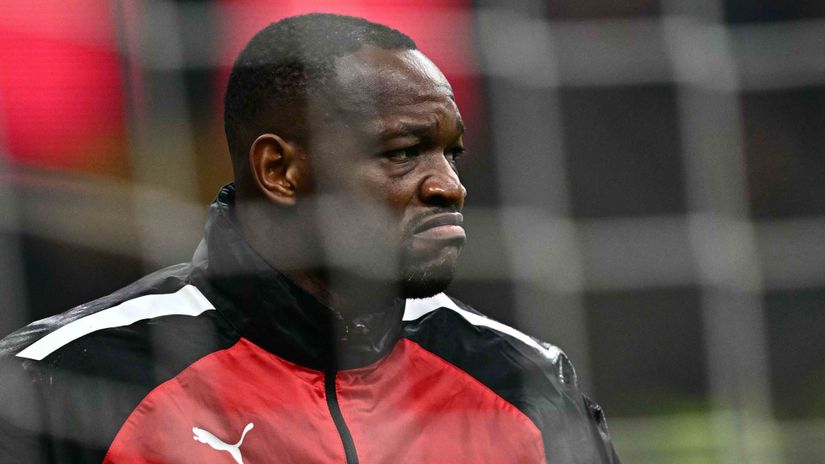
Mandanda after retirement: ‘My days are endless and empty’
.jpg)


Reading Time: 5min | Tue. 12.05.26. | 13:45
In his upcoming book, former Marseille captain described his physiological problems after retirement
Just like thousands of footballers before him, Steve Mandanda decided to hang his boots and announce retirement. At 40 years old, the Dr Congo born goalkeeper came to the natural end of his career and since he was unable to find another club decided to call it quits. "Frenchie", as he is called among his relatives for choosing to play for France instead of native Congo is Marseille’s legend. Mandanda holds the club’s record for most games played for Olympique (613 matches) and he is also a World Cup champion from 2018 (35 caps for the French national team). An interesting person himself, Mandanda decided to publish is biography, as many players before him. Titled “Les jours d'apres” (“The days after”), his book is due to come out on May 13th.
🗣️ Steve Mandanda 🇫🇷 : « 𝗦𝗜 𝗟𝗘 𝗦𝗧𝗔𝗗𝗘 𝗥𝗘𝗡𝗡𝗔𝗜𝗦 𝗠'𝗔𝗩𝗔𝗜𝗧 𝗣𝗥𝗢𝗣𝗢𝗦𝗘́ 𝗗𝗘 𝗖𝗢𝗡𝗧𝗜𝗡𝗨𝗘𝗥, 𝗝𝗘 𝗦𝗘𝗥𝗔𝗜𝗦 𝗘𝗡𝗖𝗢𝗥𝗘 𝗘𝗡 𝗔𝗖𝗧𝗜𝗩𝗜𝗧𝗘́ » 👀❤️🖤
— Actu Ligue 1 (@ActuL1_) May 11, 2026
« Si le Stade Rennais m'avait proposé de continuer, je serais encore en activité. 𝗟𝗮 𝗰𝗵𝘂𝘁𝗲… pic.twitter.com/gpaacXTuVF
In the book, Mandanda honestly describes, among other things, the aftermath of his retirement and L’Equipe had an opportunity to see the book and quote some of its parts.
“For the past few weeks, very little has had any flavor. It’s July, I’m alone, it’s hot, the window is half-open. My days are endless and empty. Empty of energy. Empty of meaning. I’m not doing well. I’m doing nothing, absolutely nothing. Well, I did play padel this morning with a friend (...) He has a job. What am I going to become? What am I doing with my life, with my days? I’m sinking in silence (...) I didn’t want to stop completely, too aware that I loved this life (...) I’m unemployed, lying on my sofa without even knowing what I’m waiting for, without knowing what I want. I don’t want anything” wrote Mandanda.
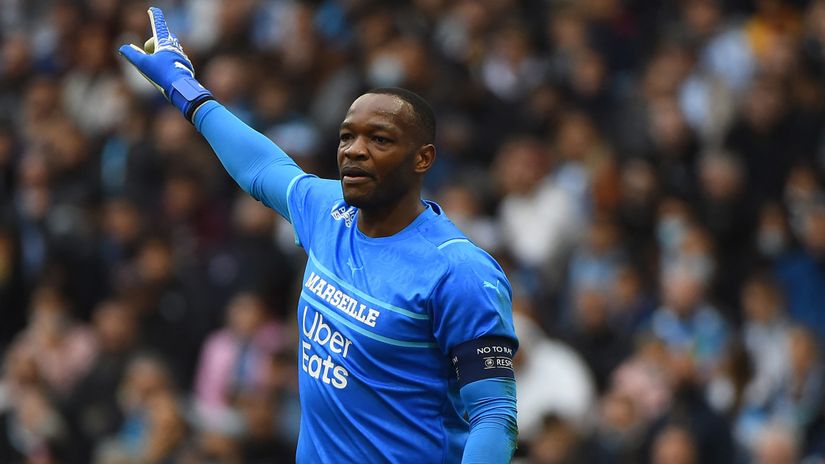
The former French goalkeeper basically faced a major psychological crisis after finishing his career.
“What is my playing field, anyway? The sofa? The house? Pacing back and forth? What am I, who am I? What am I even capable of doing, after twenty-five years at the highest level? I have no schedule, no rhythm, no appointments, nothing. It’s catastrophic, I see myself from above… I don’t like anything about my life right now. I think I’m unhappy. Or at least lost. I have no bearings. I no longer have my two goalposts or the game in front of me. I no longer have the locker room, the captain’s armband, the looks, the words, the jokes, the teammates, our coffees, the team talks, the training camps, the planes, the specific sessions, the video, the halftimes, the crisp passes. What’s at stake in the dead of July? How do you turn things around? I feel useless. (...) Yesterday was a terrible day. I did absolutely nothing, to the point where I lost track of the days, like summer vacation when they all end up looking the same. It wasn’t going well (...) Maybe I could have handled this ending differently. Maybe I could have anticipated it. These thoughts just popped into my head, without any clear answers”.

Mandanda also writes about his physical decline, as he was no longer in full training.
“I’ve gained three or four kilos and it’s no longer acceptable. When I’m not doing anything, I tend to eat, to drink sodas—a bad combination. It’s a real vicious cycle: I go out less because I don’t want people to see me like this. I isolate myself. When I wake up, in the mirror, I see the dark circles under my eyes. And so on… I’ve gone from twenty-five years of a meticulously planned daily life to… nothing. No schedules, no rhythm. The feeling of emptiness is abysmal some days… The weeks are very similar. Yes, but at least I’m filling them little by little. I force myself to get up in the morning, I impose a rhythm, a schedule, however light it may still be. I extricate myself as much as possible from the loneliness, the rumination, the emptiness, and the pointlessness” he confesses.
🗣️ Steve Mandanda’ya emeklilik hayatının nasıl olduğu soruldu:
— L'Europe (@leuropefootball) May 12, 2026
“Sıkıcı. Hayattan zevk alamıyorum. Soyunma odası ortamını ve arkadaşlarımı özledim.” pic.twitter.com/jAelScAD8Z
Gradually, his mental state stabilized, as he took advice from former players who experienced the same problems after finishing their careers.
“A year later, though, I can say that I’m doing better. I sincerely think I’ve processed it. I’ve moved on, yes. I no longer feel negative emotions, I no longer have those strange thoughts that used to cross my mind… Patrice Evra told me he went through the same things as me when he ended his career, felt the same things, a kind of carbon copy of my own life. That emptiness at first, that feeling of uselessness, that thing that goes around in circles where you tell yourself you’re not doing anything interesting. That desire, at one point, to want to do everything at once, to be everywhere to keep busy, and perhaps to exist a little longer without it leading to anything, in the end, a kind of illusion, at the risk of losing yourself” says Mandanda.
Luckily, the former Marseille captain has since recovered mentally and said to L’Equipe that he has now found a sense of calm and peace within himself.
“You might say I could have seen them coming, these ‘days after.’ But I believe that meticulously planning a career change wouldn’t have changed anything. Perhaps it would have softened the blow, but still, it wouldn’t have altered the fact that there’s nothing stronger than the pitch, the locker room, the match, the adrenaline, the roar of the stadium. The ‘days after’ are about truly accepting that it’s over, accepting the void that football leaves when it stops without succumbing to it. It’s about remembering the good times” wrote the former France international.