


 G. Wandera
OPINION: AFL set to transform the face of African football





.jpg)


Reading Time: 3min | Mon. 27.11.23. | 18:49
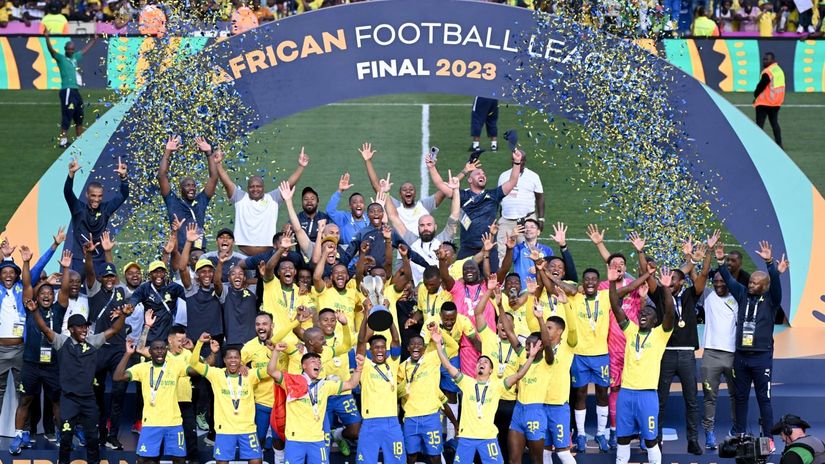
Mamelodi Sundowns won the inaugural African Football League that culminated early this month
The conclusion of the first edition of the first African Football League (AFL) edition, where South Africa’s Mamelodi Sundowns were crowned inaugural champions was a tell-tell sign of the massive shift and transformation African football is set to experience in the coming years.
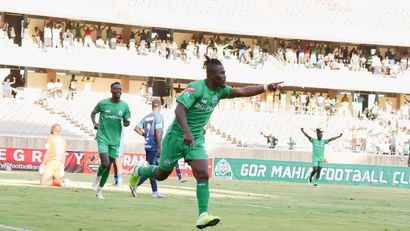
Only eight teams were involved in the inaugural edition, but the passion, enthusiasm and hunger exhibited by the teams is testament of the prestige the trophy tags along with it.
As explained by players, coaches and club owners, the tournament is set to throw a new shift into the game on the continent.
The lucrative prize money and the perks that come with participating in the tournament are massive.
-min.jpg)
“With more money in such kind of a tournament, we will help retain the best of African talent. Many players move because of financial incentive and if we can get the same here at home, then it is better for us to play here,” said TP Mazembe’s Nigerian midfielder Augustine Oladapo in a past interview.
His sentiments are more than true, as the massive financial windfall that comes with playing in the tournament will increase the annual budgets of clubs and in turn this money will siphon back to players.
The USD 4 Million (approximately Ksh 612 Million) cash reward for winners, and the least pay out of USD1 Million (approximately Ksh 153 Million) for the losing quarter finalists, is a massive boost for clubs’ budgets.
With some of the best talents retained because of this incentive, in the long run, the game will massively improve.
Increase in competition
Every club in the continent will desire to play in the best paying tournament, and across different countries, especially with the increase in teams to 24 next year, teams will fight to display the best football to get a chance to play in the tournament.
An increase in competition across local leagues will in turn improve the quality of football and not only for clubs, but for individual players as well. When clubs and players improve in quality, then national teams will reap a lot.
CAF President Patrice Motsepe shares the same opinion and says this tournament will one day help an African country win the World Cup. Already, Morocco has broken the barriers by becoming the first African country to qualify for the semis of the World Cup when they did so in Qatar 2022.
With the next World Cup set for 2026, the next three years of continuous action in the AFL will definitely have an effect on the performance of African teams.
More fun for the fans
As exhibited during the opening and closing ceremonies in Dar es Salaam and Pretoria respectively, the power of the 12th man is unquestionable.
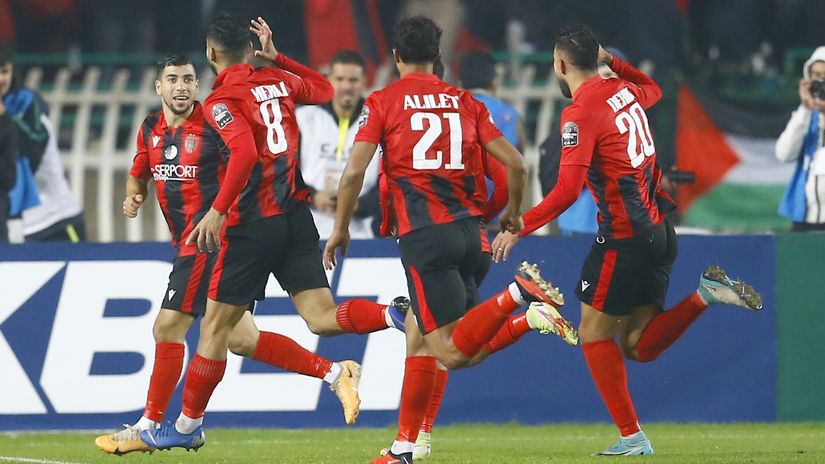
Fans have long desired to watch quality football and to follow their teams playing across the continent and the AFL provides them with this opportunity.
Over 60,000 fans thronged the National Stadium in Dar es Salaam as Simba SC played Al Ahly in the tournament’s opening game, and this is expected to be a norm as the tournament grows on from next season.
Publicity for African football
With the FIFA social media channels going all out to promote the tournament in the inaugural edition, the world’s attention on African football increased. One of the things that has made European football popular in the continent is the amount of publicity that comes with it.
Reliving the incredible energy and passion from fans that🔥the #AFL 🥁🏟️#CAF | #FIFA pic.twitter.com/xm2m9MF29p
— African Football League (@afl_africa) November 23, 2023
More focus on African football, more eyes from television viewers, pundits and scouts will open up the world’s eyes towards the bottomless talent spread across Africa.
An increase in the publicity and visibility will lead to an increase in the commercial aspects of leagues across countries, topping up to what the AFL brings in. More commercial opportunities means better facilities, better quality of players and the football in general.
The writer is the AFL Communications Manager