


PART 2: How former street boy Josphat Lopaga is using football to heal bandit-hit Baragoi



.jpg)


Reading Time: 5min | Sat. 08.11.25. | 20:16
That desire to give back led to the creation of Lopaga Sports Club, a youth initiative that uses football to promote peace in northern Kenya
The clouds have cleared over Kakamega's clement skyline, and the town hums with its slow afternoon rhythm. From where we sit, the streets are a mix of colour and noise, motorbikes weaving through puddles, schoolchildren chasing laughter, hawkers calling out over the traffic.
Follow our WhatsApp channel for more news
Josphat Lopaga sits by the window of a coffee shop within the bustling town. His cup has gone cold, but he does not seem to mind. He looks content, grounded, and in control of his own story.
“You know,” he says, his eyes following a motorbike as it cuts through the rain, “people think playing abroad changes you. Maybe it does. But for me, it showed me who I already was.”
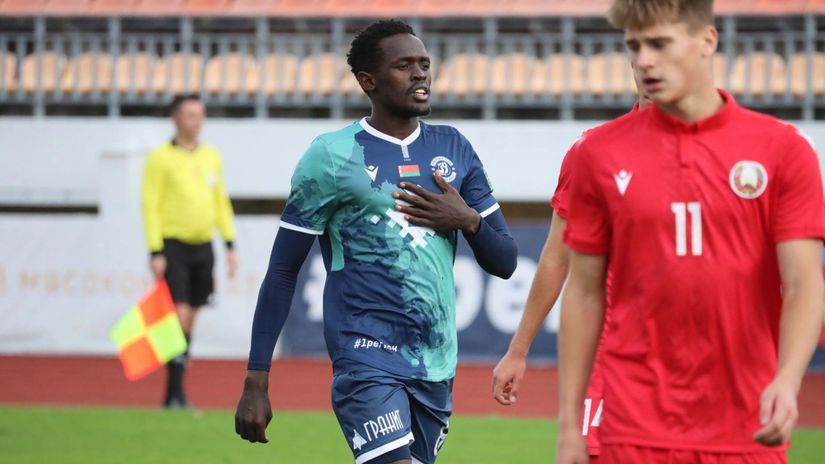
A Game of Lessons
Oman was the beginning of that discovery. “The heat was something else,” he says with a quiet laugh. “You finish training drenched, but you keep going. That is where I learned that talent is not enough. Being a professional is about how you live, not just how you play.”
Then came Belarus. “That was another world,” he says. “Snow on your boots, fingers frozen, your breath hanging in the air. But I liked it. It toughened me. Football there is structured and disciplined. You cannot survive unless you give everything.”
He remembers walking onto the training ground, unable to understand a word the coach shouted in Russian. “I just nodded and ran harder,” he says. “Football was the only language we shared.”
There were proud moments: his first assist, his first start in the league, the calls from home. But there were also quiet ones. “You finish training, eat, and go home to silence,” he says. “That’s when you ask yourself why you play. For me, it stopped being about escaping my past. It became about honouring it.”
Back to the Beginning
When his contract ended, Lopaga did not wait for another overseas deal. He came home. His mother was unwell, and in a country where the healthcare system is still a work in progress, it can be expensive.
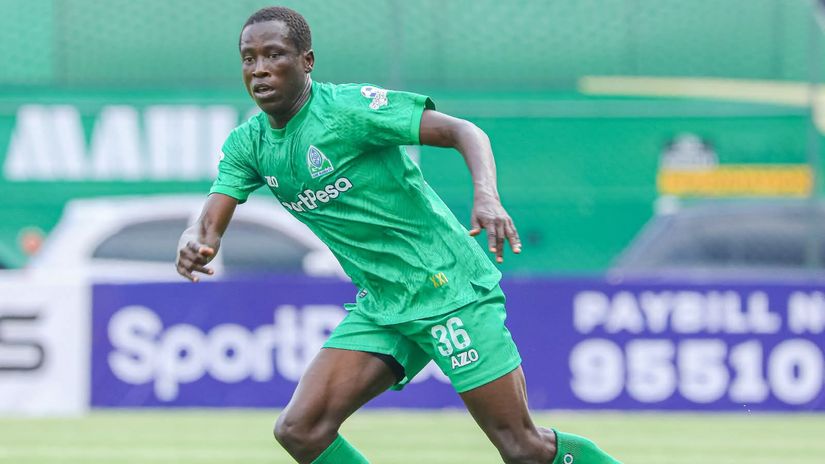
“People were shocked,” he says. “They asked, Why Kakamega? But I had seen enough to know what matters. I wanted to build something, not just join something already made.”
At Kakamega Homeboyz, he found that sense of purpose. “This team has hunger,” he says. “We have young players, and everyone is fighting for a place. It reminds me of where I started. That hunger is powerful.”
Homeboyz has become a reflection of his journey, the lessons of Oman and Belarus meeting the raw drive of Kenyan football. “Here, you fight for everything,” he says. “The pitches might not be perfect, the facilities are not the same, but the heart is different. You can feel it.”
He trains like a man still chasing Europe, but his motivation has changed. “Once you have seen that level, you know what it takes,” he says. “Instead of complaining, I use it as fuel. We can reach that standard. We just need structure, consistency, and belief.”
Between Fame and Purpose
In Europe, fans would ensure he never paid for vegetables or for rides; here, he is a bit more lowkey. “Fame does not move me,” he says. “It is not why I play.”
What drives him now is simple. “Love,” he says. “Love for the game, love for what it gave me. Everything else follows.”
.jpg)
He has seen players lose themselves chasing money and attention. “You forget your why,” he says. “For me, it has always been happiness. That same feeling of playing barefoot in the streets.”
Still, he understands his influence. “Kids from Baragoi message me,” he says softly. “They tell me I make them believe. That means more to me than anything.”
Building for Tomorrow
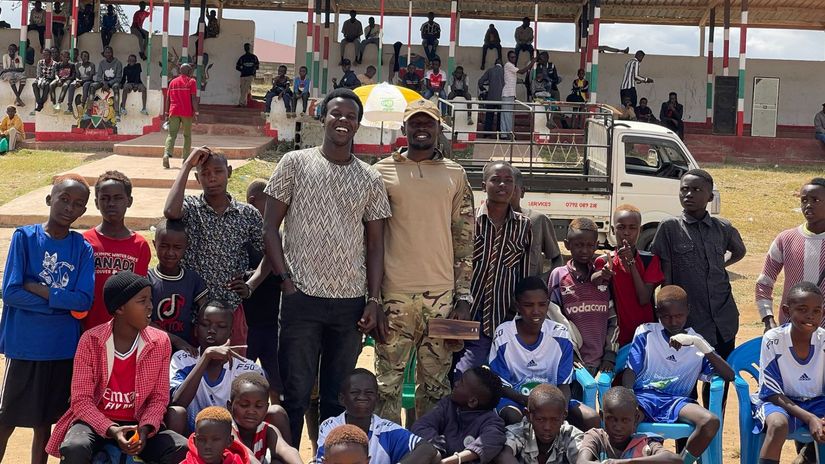
That desire to give back led to the creation of Lopaga Sports Club, a youth initiative that uses football to promote peace in northern Kenya. “Where I come from, peace is not automatic,” he says. “You have to build it, brick by brick. Football can do that. It brings people together.”
His dream is to grow it into a full academy, a space where children can train, learn discipline, and stay away from conflict. “We lose too many young people to violence,” he says. “If football can save a few, that is a victory.”
The Unfiltered Truth
He has been called confident, outspoken, and even arrogant. “I just do not pretend,” he says with a shrug. “I speak my mind. I have been through too much to be afraid of honesty.”
He speaks with the calm of someone who has faced silence and survived it. “When you have lived on the streets, gone days without food, trained in freezing cold, opinions do not scare you. You just keep going.”
Looking Ahead
As our conversation draws to a close, the rain returns, light and rhythmic. Lopaga looks out of the window, eyes tracing the passing clouds.
“What comes next?” I ask.
He smiles. “Keep playing. Keep improving. Help this team win something.” He pauses. “And when I am done, I just want people to say I was a humble guy who tried to achieve his dreams.”
He stands, adjusts his chain, and picks up his phone from the charger. The dust on his boots has dried into faint streaks of brown. Outside, the sun breaks through the clouds and floods the street with light.
He turns, grins, and says, “You know, I love my life.”
Then he steps out into the noise of Kakamega, the boy from Baragoi, still chasing his dream, one pitch at a time.