


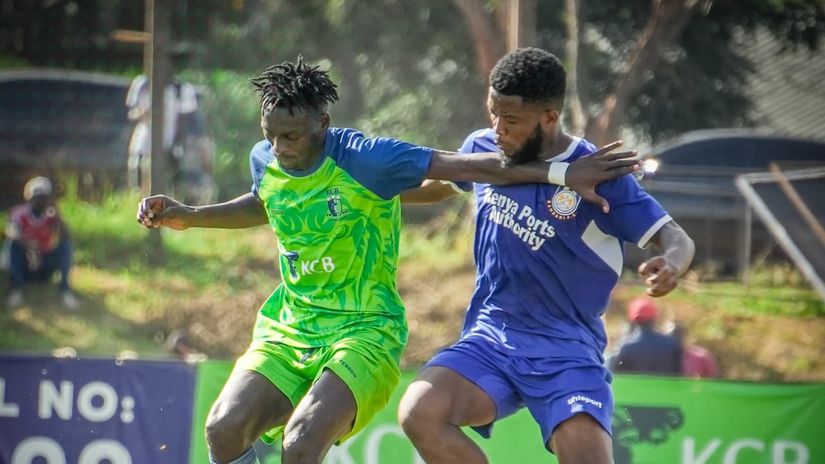
PRE MATCH ANALYSIS: MOZZART BET CUP Third place playoff, KCB FC vs Bandari FC






Reading Time: 6min | Sat. 13.06.26. | 12:56
The team that best controls these transition moments and exposed spaces will ultimately secure third place in Kwale
The Mozzart Bet Cup third-place playoff at Kwale Stadium presents a fascinating tactical duel between two sides whose attacking identities are built on direct progression rather than prolonged possession.
KCB arrive carrying one of the tournament’s strongest defensive records, having not conceded an open-play goal throughout their cup run, while also possessing the competition’s leading scorer in Richard Omondi.
Download our MozzartSport App For More News
Bandari, meanwhile, bring an equally dangerous threat through the physical presence and link-up qualities of Frank Ouya, whose ability to connect aerial attacks forms the foundation of their offensive structure.
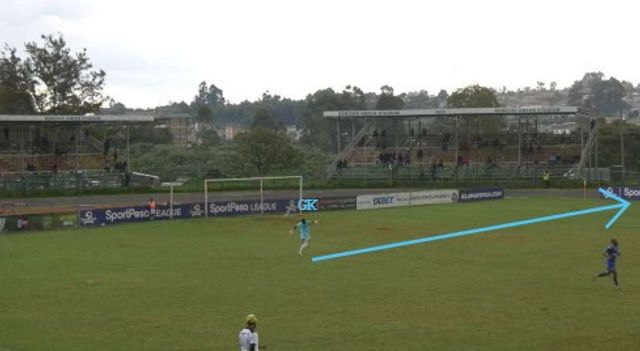
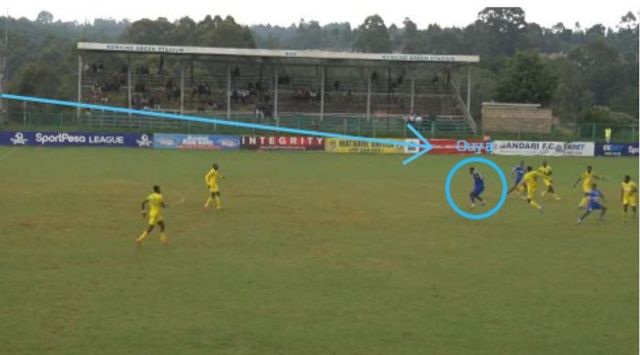
The decisive battleground is likely to emerge in transition phases and second-ball situations, where both teams seek to bypass midfield congestion and attack exposed defensive spaces before opposing blocks can reorganize.
KCB’s tactical foundation is built around a balanced 4-2-3-1 structure that provides stability across attacking and defensive phases while allowing considerable fluidity among their advanced players.
Rather than occupying fixed positions, the attacking midfielder and central striker frequently drift into wide channels to receive direct diagonal deliveries from advancing full-backs and wide players.
These movements are designed to stretch opposing defensive lines horizontally and create separation between centre-backs, opening spaces on defenders’ blind sides for penetrating runs. Richard Omondi benefits significantly from these dynamics, constantly threatening depth once defensive lines are distorted.
.jpg)
Bandari’s shape is equally fluid but revolves around directness and physical superiority.
The deployment of Shariff Majabe in an advanced midfield role provides an additional aerial target capable of winning first contacts and securing knockdowns around the edge of the penalty area. Alongside him,
Frank Ouya regularly vacates the central striker zone, dropping deeper or drifting wide to receive direct passes and create space for runners attacking beyond him.
Out of possession, KCB display a well-defined defensive framework that alternates between aggression and compactness depending on the opponent’s progression. Their preferred approach is an assertive 4-1-3-2 pressing shape orchestrated by the coordinated movements of the attacking midfielder and striker.
This front pair actively seeks to disrupt build-up play and force rushed decisions from defenders. If the press is bypassed or opponents choose a direct route, KCB retreat into a compact 4-4-2 mid-block that narrows central spaces and protects the corridor in front of the centre-backs.
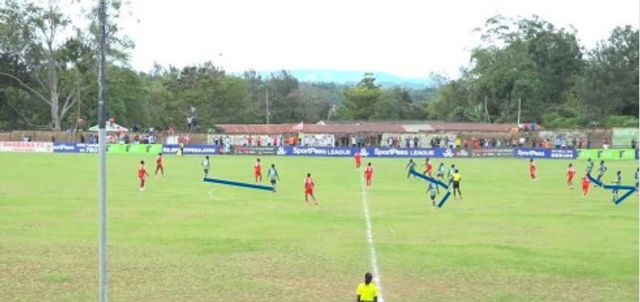
Bandari are less interested in maintaining prolonged pressure high up the pitch. Their defensive structure is more reactive, prioritizing recovery into a 4-4-2 shape and contesting aerial situations. Their compactness often exists vertically rather than horizontally, with the defensive line prepared to engage direct balls while the midfield focuses on collecting second contacts.
The first phase of possession reveals why both teams consistently generate attacks without requiring lengthy circulation. KCB frequently restart through goalkeeper Elvis Ochoro, who prefers long distributions into advanced zones rather than short combinations inside defensive territory.
These deliveries are aimed toward aerial contests where supporting midfielders can attack loose balls and immediately transition forward.
Bandari employ a similarly direct mechanism. Their goalkeeper typically initiates possession by finding a centre-back, but the intention is rarely sustained build-up. Instead, the centre-backs immediately launch long diagonal passes toward wide zones or advanced targets.
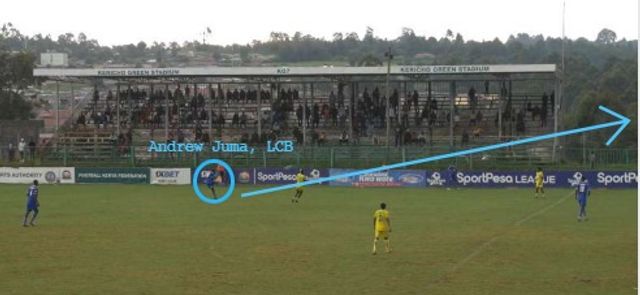
Ouya’s tendency to drop directly into midfield receiving zones creates temporary overloads that attract defenders and open central channels for supporting runners. Majabe’s advanced positioning further strengthens these patterns by providing another dominant aerial reference point capable of converting direct passes into attacking opportunities.
The strengths of these approaches are accompanied by clear structural vulnerabilities. KCB’s attacking full-backs regularly advance high to support wide combinations, leaving significant spaces behind them during defensive transitions.
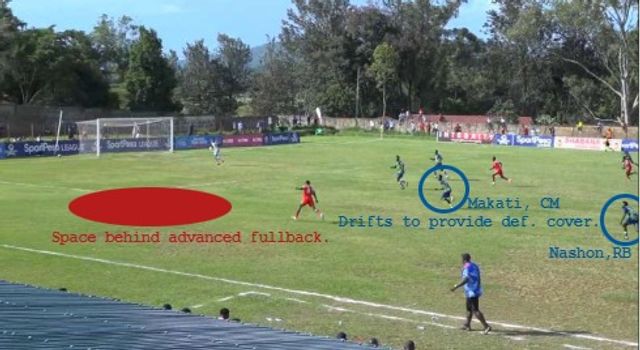
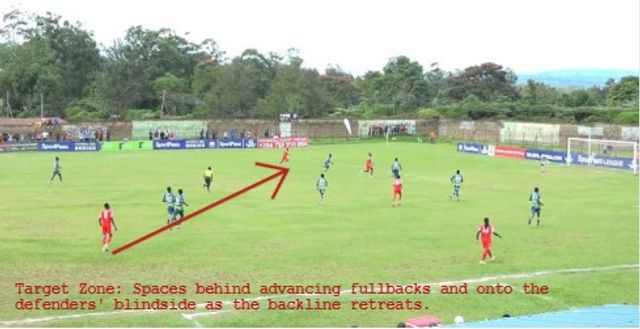
This exposure becomes particularly dangerous against opponents capable of releasing runners into depth immediately after regaining possession.
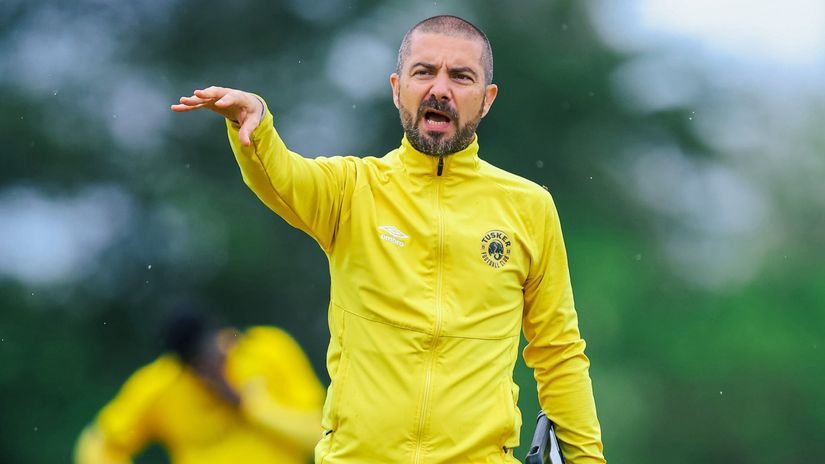
Another recurring weakness emerges from Clyde Senaji’s aggressive defensive behaviour. His willingness to step out of the back line and challenge aerial balls often disrupts opposition attacks, but it can also create gaps behind him if the initial duel is lost or bypassed.
Bandari’s vulnerabilities stem from their commitment to vertical attacks and aerial contests. Their midfield frequently advances to support knockdowns around Majabe and Ouya, leaving substantial spaces between midfield and defence whenever possession is lost.
These trade-offs consistently expose specific areas of the pitch. Against KCB, the wide channels and adjacent half-spaces become prime targets because recovering wingers do not always provide sufficient defensive support.
This frequently leaves full-backs isolated against overlapping combinations, creating opportunities for 2v1 overloads.
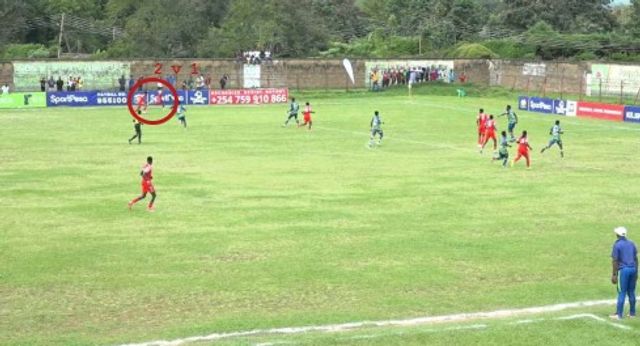
Opponents capable of executing third-man combinations along the flank can stretch KCB’s lateral coverage and generate dangerous crossing situations.
Bandari, meanwhile, often leave Zone 14 vulnerable due to their aggressive pursuit of aerial knockdowns. The space directly in front of their centre-backs can become disconnected from midfield support, creating opportunities for creative attackers to receive between the lines and attack the penalty area.

KCB’s pressing system is heavily dependent on identifiable triggers. Slow passes toward full-backs, defenders receiving with limited body orientation, and lateral circulation near the touchline often initiate aggressive pressure.
Their objective is to trap opponents against the sideline and force inaccurate long clearances.
Bandari’s pressing approach is more duel-oriented than structurally coordinated. Their primary trigger occurs when the ball becomes airborne, with players immediately attacking aerial contests to disrupt possession and create transition opportunities.
Rather than denying space through coordinated movement, they seek to win physical battles and launch attacks before defensive structures can reset.
Rest-defence will play a crucial role because both teams commit numbers forward during attacks. KCB can become vulnerable when possession is lost, particularly if their wide players have advanced and failed to maintain defensive balance.
Quick switches of play can exploit the resulting horizontal gaps. Bandari face an even greater challenge. Their commitment to attacking second balls often draws multiple players ahead of the ball, leaving the backline exposed if the first aerial duel is lost. Opponents capable of securing possession and immediately attacking depth can force Bandari into difficult recovery situations.
Game-state management could significantly alter the contest. If KCB are chasing the match, they tend to increase attacking directness through wide transitions and early deliveries into the penalty area. The long-throw capability of Nashon Wekesa also adds another dimension, effectively transforming ordinary throw-ins into set-piece opportunities.
Bandari, when pursuing a result, typically commit even greater numbers forward around aerial targets, increasing attacking presence but exposing central midfield spaces to counter-attacks.
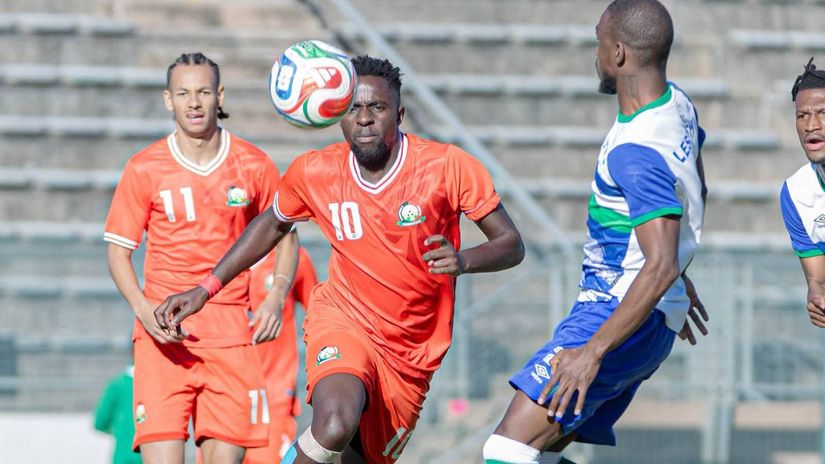
Inside their deepest defensive phase, KCB generally manage crosses effectively but can lose track of late-arriving midfield runners because centre-backs become focused on primary striker movements. Bandari’s low-block defending appears less secure, particularly during set-pieces. Recent defensive lapses from free-kicks highlight recurring issues with tracking runners and protecting both near-post and back-post zones. The clearest tactical route to victory therefore lies in exploiting these structural weaknesses.
Against KCB, rapid third-man combinations in wide areas and runs behind an aggressive defensive line can create decisive openings. Against Bandari, controlling second balls around Majabe and Ouya while consistently targeting Zone 14 and maximizing set-piece pressure offers the most direct path to success.
The team that best controls these transition moments and exposed spaces will ultimately secure third place in Kwale.