


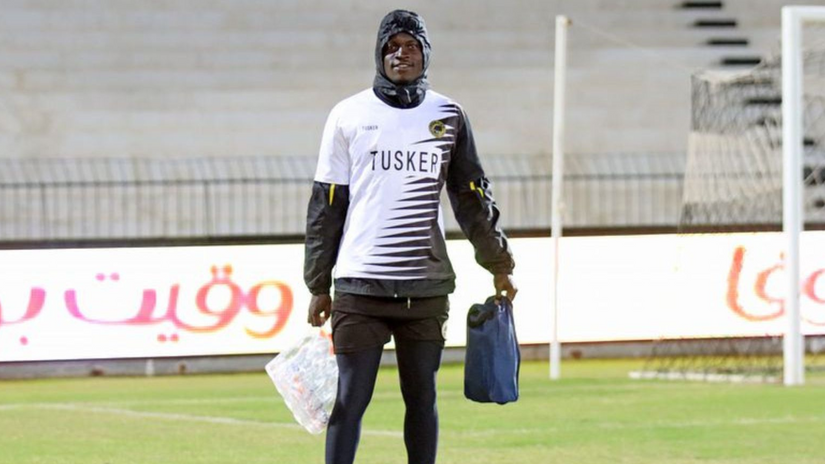
Q&A: Former Tusker midfielder on trials and tribulations faced during 4-year doping ban
.jpg)
Reading Time: 6min | Wed. 01.04.26. | 11:01
He expressed gratitude to his former Wazito FC boss, Solomon Alubala, saying he was one of the kindest and most supportive people he had ever met.
In March 2021, the then Tusker FC midfielder Teddy Osok found himself at the centre of a doping storm after testing positive for Boldenone, a banned anabolic steroid under World Anti-Doping Agency regulations.
Following a positive return on his sample, the Anti-Doping Agency of Kenya later imposed a four-year ban, effective March 21, 2022.
Download our Mozzart Sport app for more news
Osok has, however, consistently maintained his innocence, claiming the substance entered his system after he received an injection from a medical practitioner as treatment for a knee injury. He insists the positive test was the result of a medical error rather than deliberate wrongdoing.
With his suspension now served, the former Gor Mahia, KCB, Wazito FC and Nairobi United midfielder is free to return to the game. Mozzart Sport caught up with him as he reflected on the difficult period and how he managed to navigate life away from football.
Q: Teddy, four years is a long time in a footballer’s career. What were your thoughts when the ban was first imposed?
It completely caught me off guard. I was at Tusker, one of the biggest clubs in the country, part of the starting team, playing well and looking forward to breaking into the national team again and possibly moving abroad. Then everything changed instantly. It hit me very hard. We’ve never really had Kenyan footballers involved in doping cases before, so it was unfamiliar territory. For a moment, I felt completely lost. It was like my life had stopped right before my eyes. I have to admit, it was very difficult to take.
Q: You’ve consistently maintained your innocence. What exactly happened?
I have always stated that I did not dope, and that remains my position because I know the truth. I strongly believe the substance entered my body through a painkiller administered by a qualified medic, and I was left to deal with the consequences. At this point, I don’t want to blame anyone anymore. I’ve chosen to close that chapter and move forward. But I want to be clear, I never engaged in any form of performance-enhancing substances.
Q: How did you cope with being sidelined while your career was at stake?
It was very frustrating. The moment the news came out, my club deserted me. When you look at cases like Paul Pogba, his club stood by him, but in my case, I was left to fight on my own. It was tough, and I believe Tusker could have handled the situation much better. But that is now water under the bridge. Through God’s grace and the support of my family, I managed to navigate that period.
Q: Were there moments when you felt hopeless?
Not really. I remained strong-willed. I kept training, either on my own or working with young players, to stay fit. One thing I never lost was hope and discipline. That belief, even when the future looked uncertain, is what kept me going. I’m happy that the ban is now behind me.
Q: Away from competitive football, how did you fill the void?
Football is all I know, so I never really left it. Even though I couldn’t play competitively, I stayed active by training, playing for grassroots teams, and coaching kids back home in Makongeni at the academy I came from. It was a way of giving back, but also something that helped to keep me going.
Q: Did this period change your outlook on life?
It didn’t change who I am, but it definitely shifted my priorities. Some people I considered friends walked away, but it also gave me clarity. I learned the importance of putting family first. They are the ones who stood by me to the very end, and I’m not sure I would have survived that period without them.
Q: Who played a key role in supporting you?
My family played a huge role in keeping me grounded and encouraging me to keep going. I also want to thank my former boss at Wazito FC, Solomon Alubala. I have never met someone so kind and supportive. Outside my family, he is one person who truly walked with me through this journey, and I’m very grateful.
Q: How did you deal with public criticism and doubt?
Mentally, my family helped me stay strong. As for criticism, I didn’t pay much attention. People will always have opinions, even when they don’t know the full story. I chose to let them talk. But I would encourage people to first understand the truth before judging, because sometimes their opinions can hurt those involved.
Q: Did you ever consider walking away from football?
Not at all. I always believed I would come back. I still feel I have a few good years of football left in me, and that belief never changed.
Q: Who inspired you to keep fighting?
My parents and siblings, especially Elvis Osok, who plays for Posta Rangers. They believed in me and kept pushing me to keep going when things were tough.
Q: Now that the ban is over, what does this moment mean to you?
I’m very happy. Football is all I’ve known since I was a child, and I’m grateful to finally have the chance to play again. I’m looking forward to stepping back onto the pitch and doing what I love. I believe I can reach the top level again.
Q: How are you preparing for your return?
I’m currently training with an FKF Premier League club to stay fit as I wait for the next transfer window. I’m confident I’ll find a new home where I can showcase my talent again.
Q: Are you targeting a specific club or taking it step by step?
I’ll go where God leads me. Whether it’s a big or small club doesn’t matter. I just want to start again and work my way up. Watch out, Osok will be back.
Q: What do you say to those who still doubt your innocence?
I know my truth, and that’s what matters most. I don’t spend time trying to explain myself to people who already have a fixed opinion.
Q: What lesson should young players take from your experience?
I always talk to young players and encourage them to be careful about what they consume. Some substances people take casually can end up ruining careers. Players need to be cautious and avoid anything they are not sure about.
Q: How do you want to be remembered?
As a good player. This chapter is something I want to put behind me.
Q: Do you see yourself mentoring others in the future?
I already do that now, but after my playing career, I will move into something different. I feel like I will have given enough to football by then.
Q: What are your goals for the next two to three years?
To get back to playing and reach the top level again.
Q: Your final word?
I want to encourage the Anti-Doping Agency of Kenya and clubs to do more in educating players. There is still a lot of ignorance around doping. It shouldn’t just be about punishment. Players need consistent education about their responsibilities, whereabouts rules, and substances they should avoid. We’ve seen players suspended recently for whereabouts violations, and many of them may not even have known it was an offence. Education is key to protecting players and their careers.