


.jpg)
TACTICAL ANALYSIS: Group E: What Algeria and Burkina Faso should expect from Sudan and Equatorial Guinea



Reading Time: 7min | Sat. 20.12.25. | 09:48
Algeria carry talent and pressure, Burkina Faso bring consistency and tactical discipline, Equatorial Guinea arrive with turmoil but proven tournament resilience, and Sudan remain the unpredictable wildcards capable of chaos and surprises
With Africa’s premier football showpiece gracing us once again, Mozzart Sport Kenya brings you in-depth tactical analysis of all the participating teams, what to expect from the coaches, the key players who make the systems work, and who will advance to the next round.
Follow our WhatsApp channel for more news
Group E of the 2025 Africa Cup of Nations is one of the most tactically unpredictable and emotionally charged groups in the tournament.
Consisting of Sudan, Equatorial Guinea, Burkina Faso, and Algeria, the pool equaoffers a fascinating blend of revival stories, fallen giants attempting to reclaim past glory, resilient overperformers, and tactically disciplined sides capable of upsetting any opponent.
This is a group where pedigree does not guarantee comfort, and where every team arrives with both flaws and dangerous strengths.
From Sudan’s early-cycle resurgence to Equatorial Guinea’s eternal habit of surviving the group stages, Burkina Faso’s reliability on the continental stage, and Algeria’s immense pressure to finally deliver after recent disastrous AFCON campaigns - Group E promises tension, tactical nuance, and tightly contested matches.
Sudan - The Wildcard That Lost Momentum, But Not Identity
Sudan enters AFCON 2025 as one of the most intriguing teams in the group.
They were one of the standout African sides between late 2023 and early 2024, shocking DR Congo in World Cup qualifying and famously qualifying ahead of Ghana during the AFCON qualifiers. During that period, they became known for their chaotic, high-risk, high-reward style built around directness, verticality, and transitional aggression.
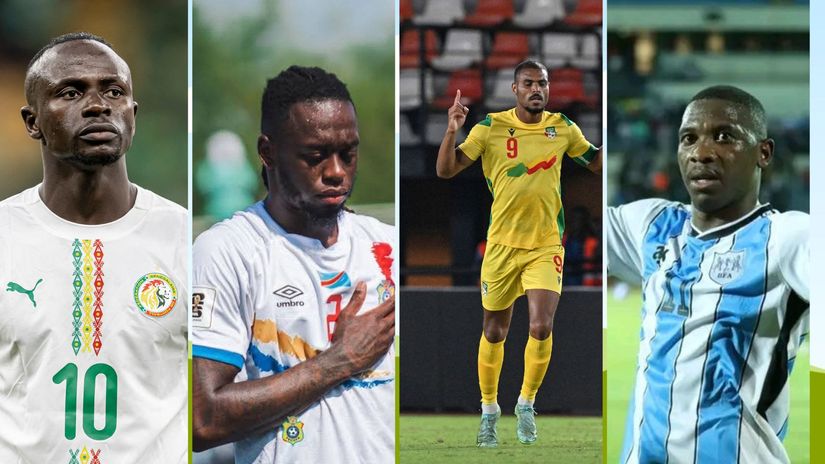
However, since that impressive burst, their form has collapsed dramatically. Defensive instability, loss of rhythm, and inconsistency in key positions have left them far from their best.
But tactically, Sudan have preserved the core identity that made them so dangerous. They thrive on quick transitions, often bypassing midfield with long balls aimed at runners attacking the space behind the defence.
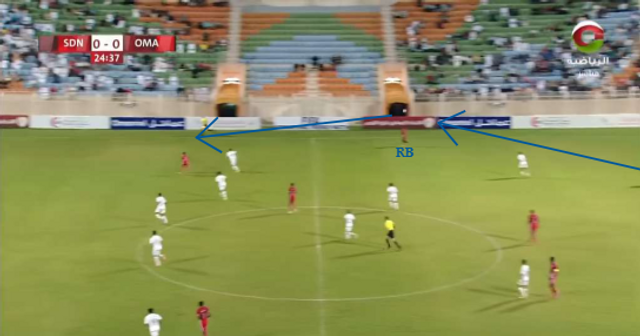
Sudan rely on their goalkeeper’s direct long balls to release runners attacking the space behind the defence, while the right-back aggressively pushes forward to add an extra body in the final third and sustain the vertical momentum
Sudan do not overcomplicate their play - every attacking phase is designed to get forward immediately, often triggered from deep restarts or second balls.
Their game model places heavy emphasis on long-range shooting, vertical progressions, and exploiting moments of disorganization.
Out of possession, they defend in a compact 4-4-2 block, designed to absorb pressure centrally. Despite this compactness, they also take risks with a high defensive line, which forces their goalkeeper to act as a constant sweeper outside the box, especially when opponents try to exploit the space behind.
In possession, Kwesi Apiah’s Sudan morph into a 3-3-4 or 4-2-4 structure, with the right-back pushing extremely high to create numerical overloads in the final third.
Their pressing approach is also systemic - they trigger their press whenever the opponent moves the ball wide, using touchline traps and explosive ball-side pressure.
Sudan may not enter AFCON 2025 in good form, but their directness, unpredictability, and ability to upset bigger sides keep them firmly in the conversation as a potential surprise package. If they recapture even a fraction of their early-2024 intensity, they could cause real trouble.
Equatorial Guinea - Turmoil, Boycotts, but Always Dangerous
Equatorial Guinea arrive at AFCON 2025 in a cloud of off-pitch turmoil.
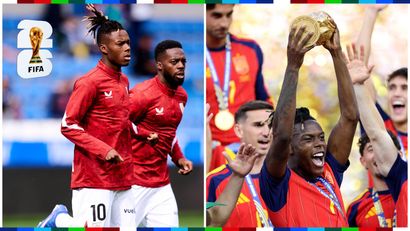
Preparation has been chaotic: players boycotted the national team earlier in October, key veterans were excluded, and the federation struggled with internal disputes. The biggest storyline is that their record AFCON goalscorer, Emilio Nsue, was banned from the national team, removing their most iconic finisher and leader.
Yet, despite the turmoil, this is a nation that always finds a way at AFCON. Every time they have reached the tournament, they have progressed past the group stage.
Even in 2023, despite a stunning 4-0 humiliation to Cote d’Ivoire on the hosts’ turf, Equatorial Guinea showed both their scoring ability and tactical discipline earlier in the group.
Their tactical identity revolves around third-man runs, well-timed overlaps from both fullbacks, and quick transitions immediately after recovering the ball.
When they win possession, they break lines quickly through vertical passes, unleashing runners who surge forward aggressively to attack space.
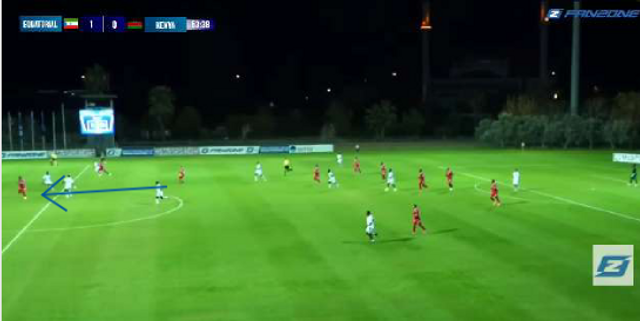
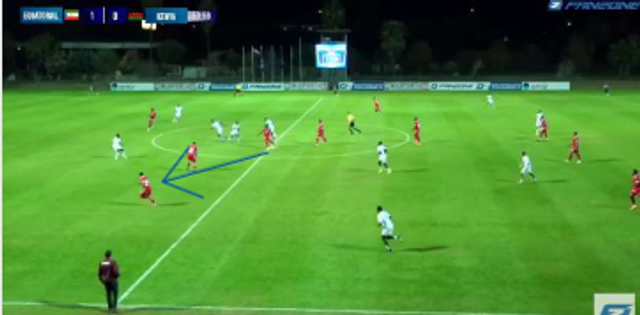
Equatorial Guinea’s midfielders repeatedly triggered swift counter-attacks by immediately feeding runners making vertical and horizontal bursts once possession was regained against Kenya in the recent friendly
Their structure out of possession is typically a compact 4-4-2, organised, resilient, and capable of absorbing prolonged pressure.
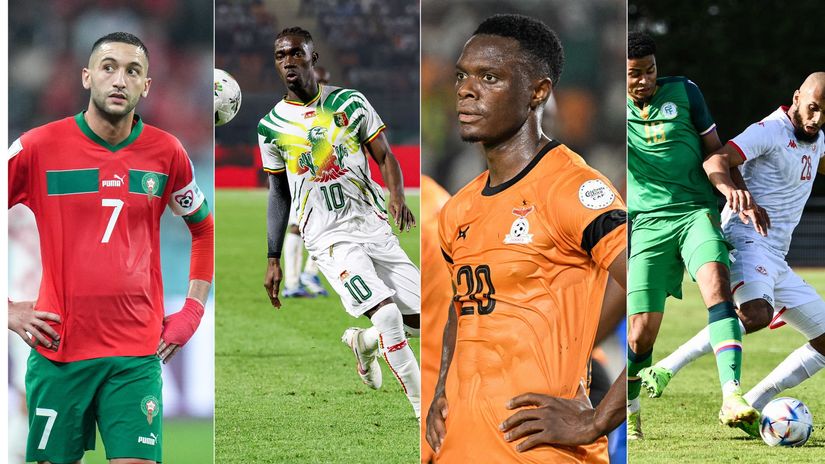
Goalkeeper Jesus’Owono remains one of the continent’s most underrated shot-stoppers, offering reliability when the defensive block is breached. Despite lacking star-power without Nsue, Equatorial Guinea maintain tactical discipline and a collective understanding built over several cycles.
They are the definition of a tournament team: resilient, tactically intelligent, and capable of upsetting bigger sides when underestimated. In a group full of giants, they may once again emerge as the surprise package.
Burkina Faso - The Consistent AFCON Performers With Balanced Threats
Burkina Faso enter AFCON 2025 as one of the most stable and reliable performers in African tournament football.
Their pedigree is undeniable: a round-of-16 appearance in the last edition, a semi-final run in 2021, and a memorable runners-up finish in 2013. They have become a side known for consistency - rarely outplayed, tactically disciplined, and always capable of competing with the continent’s elite.
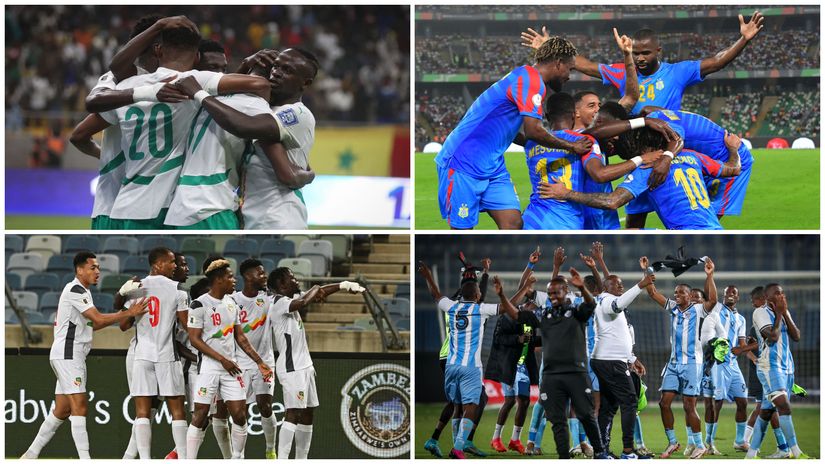
Their failure to defeat Sierra Leone at home in the World Cup qualifiers in late 2024 ultimately cost them the chance to finish ahead of Nigeria, raising questions about their sharpness.
However, it does little to diminish the overall quality of the squad.
This is a team stacked with high-level talent across key positions: Edmond Tapsoba remains their defensive pillar, Issa Kaboré offers explosive energy and forward thrust from right-back, Dango Ouattara provides pace and direct wide threat, Bertrand Traoré brings unpredictability and moments of brilliance in the final third, while Aziz Ki orchestrates the midfield with intelligence and control.
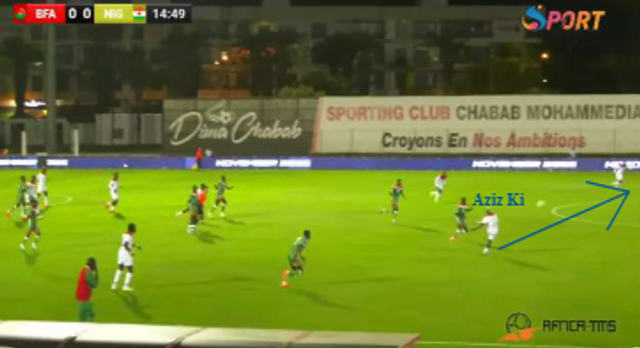
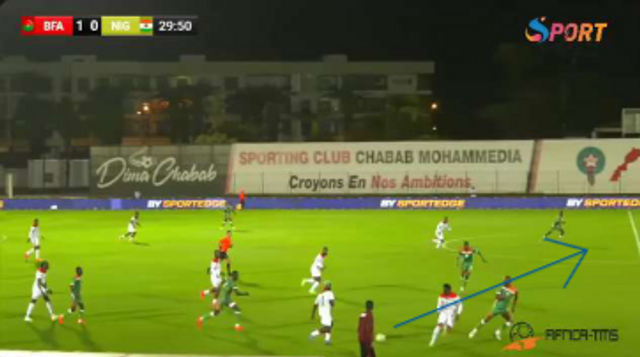
Aziz Ki operated as the central creative conduit against Niger, constantly receiving between the defensive and midfield lines to ignite transitions and create high-quality chances
The only notable concern lies at centre-forward, where injuries to Lassina Traoré create uncertainty, but Burkina Faso compensates with goals from wide players and midfield runners.
From a tactical standpoint, they play a well-structured, modern style of football. Their build-up is patient in deeper zones, deliberately drawing opponents forward before accelerating play once they reach advanced areas.
Wide overloads are a key feature, with fullbacks and wingers combining to stretch and unbalance defensive blocks. Out of possession, they are aggressive and coordinated, often pressing high to force errors and create transition opportunities. Their defensive organisation is typically solid, and their ability to punish mistakes makes them a dangerous opponent for any team.
With their blend of technical quality, physical intensity, and proven tournament experience, Burkina Faso stand out as one of the clear favorites to advance from Group E.
Algeria - Pressure, Talent, and the Weight of Past Failures
Few teams arrive at AFCON 2025 under more scrutiny than Algeria.
Since lifting the trophy in 2019, they have endured two consecutive group-stage exits - failures that destabilized their footballing identity and raised questions about leadership, squad evolution, and mental resilience.
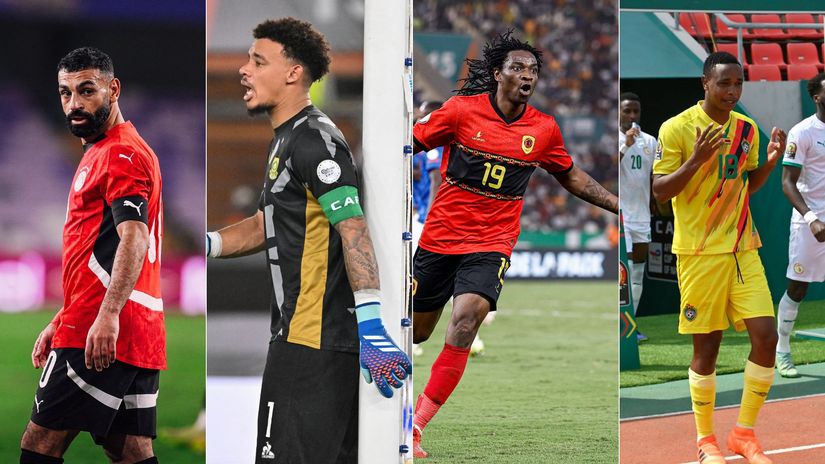
Under Vladimir Petković, the team enters the tournament buoyed by World Cup qualification for the first time since 2014, yet debate continues over squad selection and the delicate balance between experience and emerging talent.
Petković, famed for his tactical adaptability and his Switzerland side’s elimination of France at Euro 2021, now faces the challenge of managing a roster brimming with quality: Amoura remains explosive and decisive which he showed clearly in World Cup qualifying,
Rayan Aït-Nouri is outstanding when fit, Ramy Bensebaini offers reliability at the back, and Riyad Mahrez - still influential - faces growing scrutiny as younger players push forward.
Prospects such as Ibrahim Maza, SofianeTaibi, Benghali, and Hadj Moussa are knocking hard for inclusion, adding further complexity to the transition phase.
Tactically, Algeria play with a high defensive line complemented by an aggressive, coordinated high press.
Their wide pressing traps often spring near the opposition's penalty area, and they primarily trigger pressure when opponents receive the ball facing their own goal.
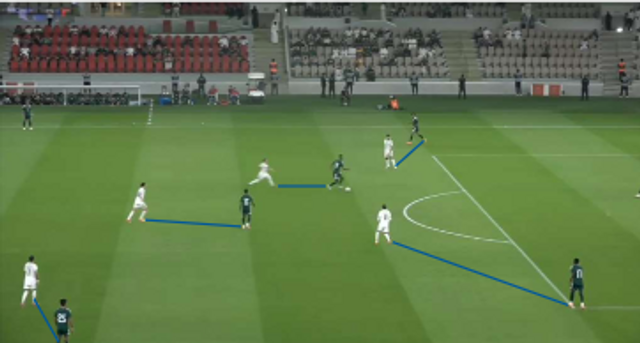
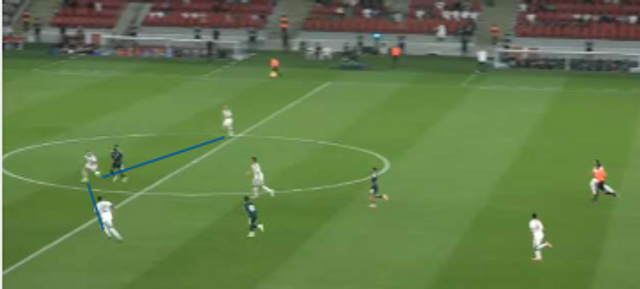
Algeria held a high defensive line near midfield and executed an aggressive, man-oriented press as a unified block, springing forward whenever a Saudi player received with their back to goal in their 2-0 friendly win
Their build-up is fluid and opponent-specific, adjusting structure based on the rival’s defensive shape. In attack, they rely heavily on vertical depth and wide isolation, using their wingers and technically skilled fullbacks to create constant 1v1 scenarios.
If Algeria find cohesion, they have the quality and structure to top the group.
But if the psychological weight of recent failures resurfaces, another early exit cannot be dismissed
Group E is a perfect blend of uncertainty, quality, contrasting philosophies, and emotional narratives.
Algeria carry talent and pressure, Burkina Faso bring consistency and tactical discipline, Equatorial Guinea arrive with turmoil but proven tournament resilience, and Sudan remain the unpredictable wildcards capable of chaos and surprises.
Every match in this group will be defined by tactical battles, transitions, and individual moments. It is, without question, one of AFCON 2025’s most compelling groups