


Tactical Analysis: How Kenya Police broke Ethiopian Coffee's stubborn defence, outwitted structured play

.jpg)


Reading Time: 5min | Wed. 10.09.25. | 19:28
Late goals from Mangeni and Okoth sealed a 0–2 victory underlining the tactical evolution under coach Ndirangije and how best a team can respond when under pressure
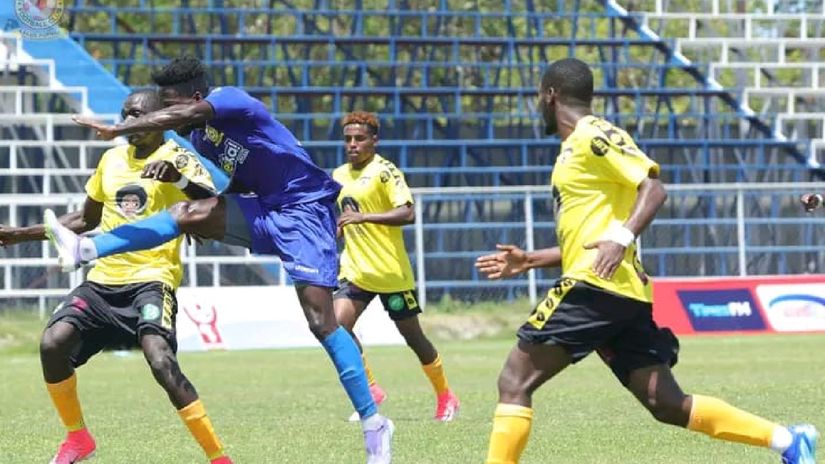
The final group match of group A in the ongoing CECAFA Kagame Cup between Ethiopian Coffee S.C (ETC) and Kenya Police FC ended 2-0 in favour of the latter.
Though the score line suggests a fairly straightforward win, the match was tactically layered, with both sides alternating periods of control, defensive discipline, and attacking intent.
Follow our WhatsApp channel for more news.
First half tactics and formations
From the first whistle, Kenya Police displayed their intent by building through the back line, with centre-backs Charles Ouma and Joash Onyango consistently opening wide to stretch Ethiopian Coffee’s first pressing line.
Brian Musa acted as the deep pivot to recycle possession.
Early on, Kenya Police relied heavily on right-back Baraka Badi’s deliveries, which provided the first attacking patterns, while the trio of Misuri Exaule, Gideon Muyadi, and Daniel Sakari rotated fluidly on the left to create triangular overloads.
This lured their opponents to one side, before attempting to exploit half-space channels with long switches.
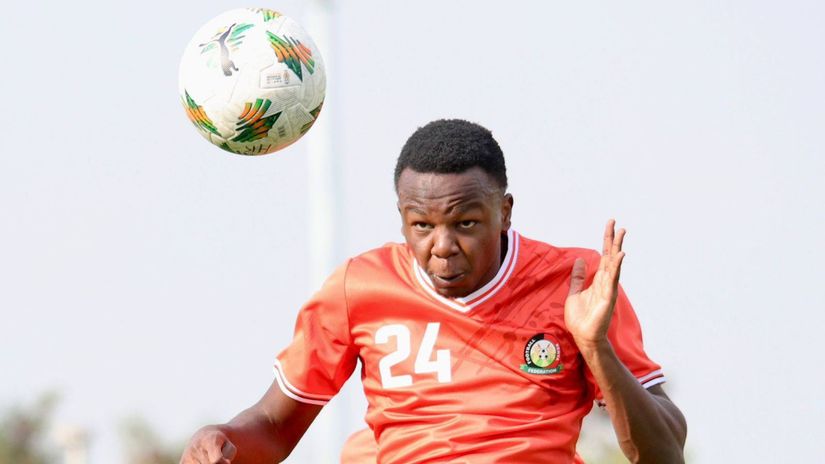
Their intent nearly bore fruit in the second minute when Tansele Mosengo won a free-kick and took it, but the Coffee goalkeeper comfortably gathered.
Ethiopian Coffee, on their part, looked to create from the right side in transition, forcing turnovers high up and then combining quickly through their wingers and Divine Nwachukwa, their key midfield orchestrator.
Their most promising moment came in the fifth minute when they combined well down the left wing, but poor execution in the final third let them down.
Out of possession, Coffee were disciplined, usually settling into a 4-1-4-1 shape that could morph into a 4-5-1, depending on the pressing triggers, while their back line held a notably high defensive line that caught Police attackers offside several times in the first half.
The key tactical battles revolved around Police’s left-sided overloads - where the rotations of Daniel Sakari, Muyadi, and Misuri created dilemmas for Coffee’s right flank, but ultimately lacked efficiency in the final action.
Coffee's compact block defended hybrid corners effectively with a mix of zonal and man-marking before springing forward in counters.
The level of fire power in Police’s transitions, which by the 40th minute had slowed made them predictable, allowed Coffee's compactness to absorb pressure comfortably.
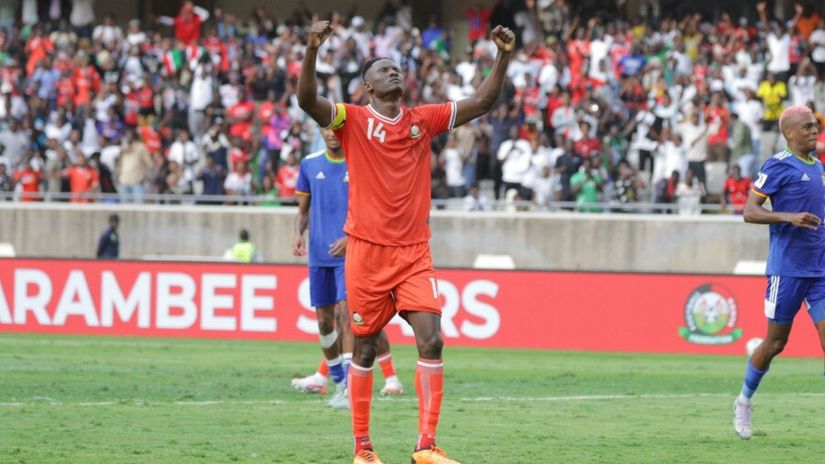
A double substitution for Kenya Police in the 43rd minute, where Alvin Mangeni and Eric Zakayo replaced Muyadi and Misuri, was a clear attempt to refresh attacking outlets.
However, there was no much time left on the clock as the half ended 0–0, with Coffee proving more defensively organized while Police looked slightly blunt despite their structured build-up.
Second half tactics and switches
The second half began with Ethiopian Coffee adopting a more direct style, relying on long balls, while shifting between a 4-2-3-1 and a deeper 4-5-1 when defending.
In attack, they used third-man runs and quick combinations to progress the ball.
In the 52nd minute, they executed this approach well, with Divine linking play centrally before Adama drove down the right to set him up in the box.
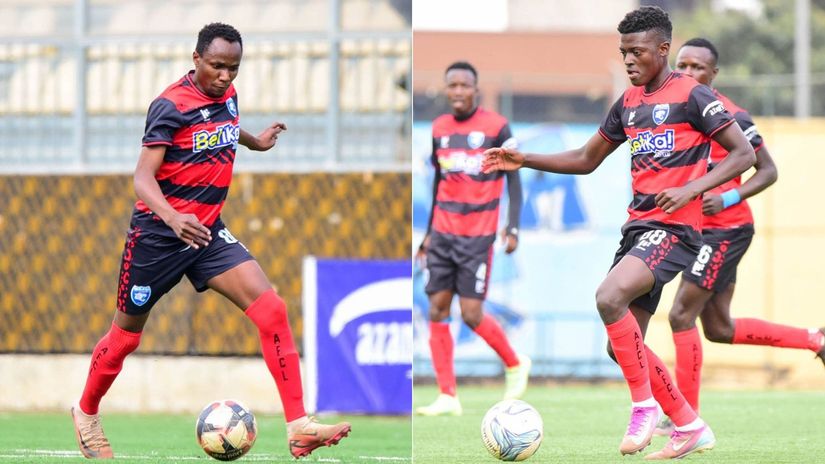
The midfielder lacked composure in his finish although their attacks did not end there as moments later, goalkeeper Khadime Ndiaye was again called into action, punching away another effort.
Police responded by adjusting their attacking structure, with Badi pushing higher from right-back to combine with Albert Otieno in creating right-sided overloads.
Zakayo, on the other wing, dropped deeper between the lines to knit play.
Sakari, further, adopted a hybrid role by moving into the left half-space in buildup before venturing forward to ease Zakayo’s defensive load.
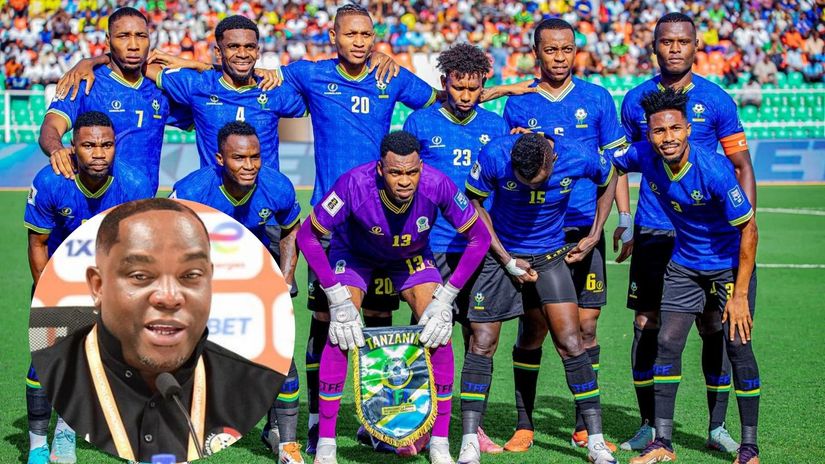
Joash Onyango also varied the approach by bypassing midfield with direct progressive balls, particularly as evident in the 59th minute.
A triple substitution in the 63rd minute, saw David Okoth, David Simiyu and Eusters Chesara inject fresh energy, with the former’s directness and latter's aerial presence adding a new dimension.
Coffee remained a threat from set-pieces between the 66th and 73rd minutes, but Ndiaye’s heroics - first denying a thunderous strike after a turnover and then acrobatically saving Abubakar Adamu’s freekick - kept Police level.
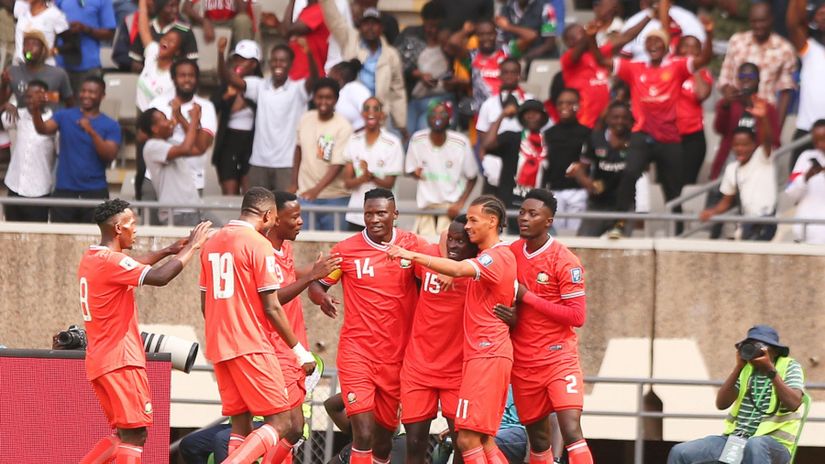
Around the 75th minute, Police reshuffled defensively, with Sakari switching to right-back and Mangeni moving wide left, a tweak that balanced their width and improved transitions.
Coffee responded by introducing Mias Shumeza for Tariku Fikadu in the 76th minute to freshen their attack, though their finishing woes continued.
With the clock ticking away, Police finally broke the deadlock in the 86th minute when Zakayo shielded the ball after an aerial duel, before releasing it wide left.
This created room for Mang'eni on the far side, who clinically finished with a low-drive shot for 0–1 lead.
Just three minutes later, Coffee goalkeeper rushed out of his box, leaving the goal exposed.
.jpg)
Simiyu calmly dropped the ball to Zakayo, who spread it to Okoth, and the substitute lofted the ball into the empty net to double the advantage.
Zakayo could have added to the tally with two late chances, but despite those misses, Kenya Police comfortably saw out the match to secure victory and progression.
Kenya Police’s tactical adaptability was evident in their zonal out-of-possession structures.
They began with a 4-1-3-2 structure in the first half that allowed them to press aggressively, before shifting into a 4-3-1-2 in the second half to restrict Ethiopian Coffee’s central progressions.
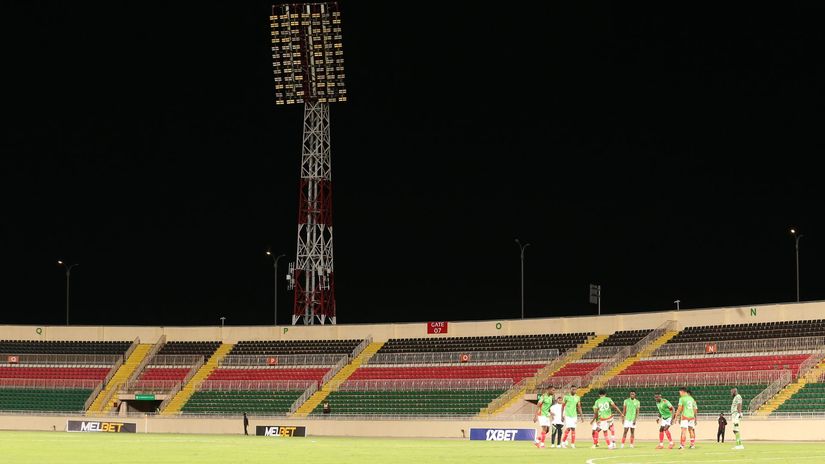
On the other side, ETC’s compact defensive shape remained disciplined and well-organized, often frustrating Police, but their lack of composure in front of goal - most notably Divine’s miss in the 55th minute - proved costly.
Substitutions became the game’s turning point, with Mang'eni, Zakayo, Okoth, and Simiyu injecting energy and tactical flexibility into Police’s play.
They directly influenced both goals and demonstrated the coach’s astute use of the bench power.
Crucial were also Khadime Ndiaye’s saves, as the Senegalese goalkeeper produced vital interventions in the 68th and 73rd minutes that prevented Coffee from taking the lead.
He also keept Police in the contest until their late surge.
Ultimately, the match highlighted two contrasting approaches: Ethiopian Coffee’s compactness and transitional bursts against Kenya Police’s structured build-up and zonal pressing.
In the end, the Police’s ability to refresh their side with substitutions and sustain attacking intent deep into the second half made the difference.
Coffee's failure to convert their best chances and Ndiaye’s decisive goalkeeping tilted the balance were also turning points of the game.
Late goals from Mangeni and Okoth sealed a 0–2 victory underlining the tactical evolution under coach Ndirangije and how best a team can respond when under pressure.