


_of_Twinkle_and_Rhoda_Kuira_(right)_of_Wazalendo_Pearls.jpg)
How Kenyan hockey umpires are flourishing amidst myriad of challenges







Reading Time: 6min | Thu. 14.05.26. | 16:22
But behind every match, another group is preparing for a demanding campaign of its own, the umpires tasked with controlling the game under growing pressure and rising expectations
As the 2026 Kenyan hockey season approaches, attention is naturally shifting toward title contenders, promoted sides, and player transfers across the Premier League, Super League, and National League.
Download our Mozzart Sport app for more news
But behind every match, another group is preparing for a demanding campaign of its own, the umpires tasked with controlling the game under growing pressure and rising expectations.
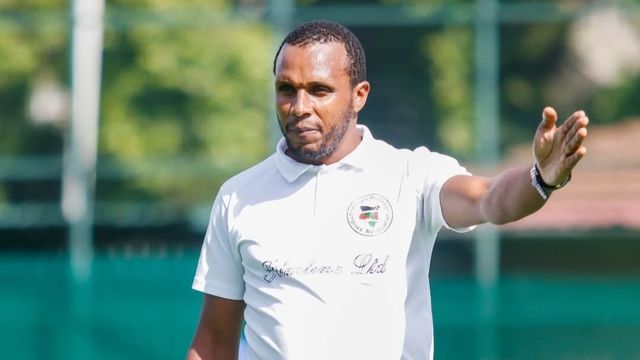
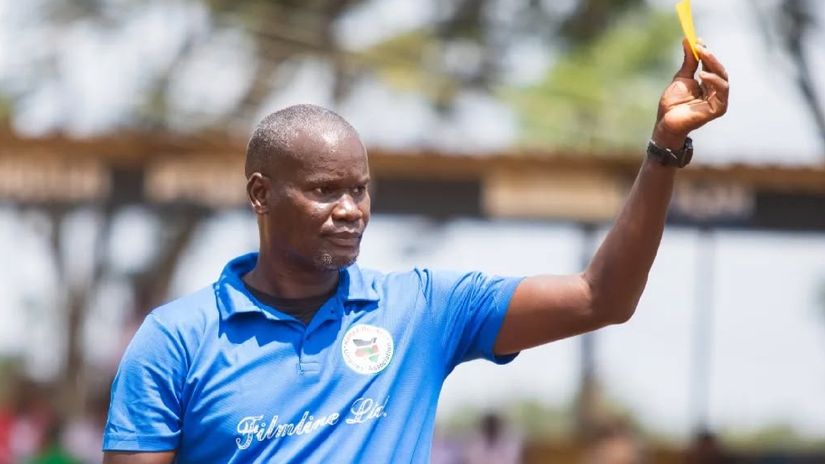
For Peter Obalo, the upcoming season represents another important step in the evolution of officiating in Kenya.
The Secretary General of the Kenya Hockey Umpires Association (KHUA) believes the standards of officiating in the country have improved significantly in recent years, driven by education, technology, and increased international exposure.

“I am happy with the standards because we have grown tremendously,” says Obalo. “Our officials are now regulars at major African hockey events, and this is very promising.”
Obalo himself is part of that growth story. Over the years, he has officiated at top continental and international competitions and built a reputation as one of Kenya’s leading international hockey umpires. His rise through the ranks mirrors the pathway KHUA now wants to create for younger officials entering the system.
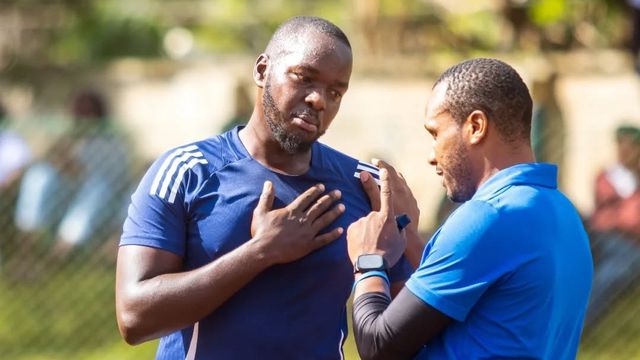
According to him, one of the major reasons behind the recent progress is the willingness of Kenyan umpires to adapt to the modern demands of the game.
“The current crop is very tech-savvy, and they have quickly understood the demands of the new 2026 rules,” he explains.
Technology has also become an important tool in self-evaluation and performance improvement. Obalo credits media coverage and match recordings for helping officials critically analyse their performances.
“We appreciate media partners who have gone out of their way to clip games because this has enabled officials to scrutinise their performances and quickly correct mistakes.”
While standards may be improving, hockey officiating in Kenya still comes with significant hurdles. The biggest challenge, according to Obalo, remains logistics.
“Kenyan hockey is currently played almost in all regions except North Eastern,” he says. “This means officials have to travel long distances to officiate grassroots matches.”

The expansion of leagues across the country has increased demand for qualified officials, particularly in the National League and regional competitions. As a result, KHUA is now intensifying recruitment efforts to ensure it can match the sport’s rapid growth.
“We are expanding our recruitment programs to support the growth of the leagues,” explains Obalo.
Financial limitations also continue to affect appointments. Ideally, KHUA aims to pair experienced officials with upcoming umpires during matches to encourage mentorship and on-field learning. But travel and accommodation costs often complicate those plans.
“Sometimes we are forced to use only locally available officials because of financial constraints,” he says.
Despite those difficulties, KHUA has continued building a structured development pathway inspired by the International Hockey Federation (FIH) Academy framework.
The process begins with grassroots workshops conducted across regions, where aspiring officials undergo training and assessments before being integrated into the association.
“Learning never ends,” says Obalo. “Junior officials are often paired with experienced ones who act as on-pitch tutors.”
The association has also embraced digital learning spaces. Through WhatsApp discussion groups, umpires regularly analyse controversial clips from local and international matches to improve rule interpretation and consistency.

“That peer-to-peer learning and mentorship has really helped,” he says.
The Pressure of the Whistle
In Kenyan hockey, officiating is rarely a quiet experience. With passionate fans, emotional benches and high-stakes fixtures, maintaining composure can often be as important as understanding the rules themselves.
“The most effective way is to detach from crowd reactions,” explains Obalo. “However, Kenyan crowds sometimes make this very difficult.”
As an international umpire, he believes temperament separates good officials from great ones.
“It is important that umpires remain composed when temperatures rise on the field.”
To improve communication and decision-making, KHUA is increasingly pushing for the use of radio systems during matches. The technology allows umpires to communicate instantly during games and review incidents collectively in real time.
“Radio communication is proving to be a very helpful tool,” he says. “Field umpires get to discuss situations immediately and take corrective measures if possible.”
KHUA now hopes to make radio usage standard across all league matches in the near future.

The Road to International Hockey
For young Kenyan umpires dreaming of officiating continental or global tournaments, Obalo says the journey is demanding and requires far more than simply knowing the rules.
“One must not only know the rules but also interpret them correctly during matches,” he says. “You also have to build a reputation for keeping a cool head even when the pitch gets loud.”
Fitness is another critical requirement. Officials hoping to progress internationally must consistently meet the physical standards set by FIH.
“You must be physically fit and able to pass the minimum fitness requirements laid out by FIH.”
The pathway from local leagues to the international stage begins with strong performances in domestic competitions.
Those performances can earn nominations for national tournaments, where officials are further assessed before potentially receiving appointments to continental competitions such as the Africa Cup for Club Champions.
At that level, evaluations become even more rigorous.
“The official needs to perform exceptionally and earn qualifying marks from an FIH-listed umpire manager,” explains Obalo.
From there, officials must submit mandatory fitness reports and maintain consistent performance levels to remain eligible for international panels and appointments.
“It becomes a continuous journey of fitness submissions, performance reviews and availability whenever called upon.”
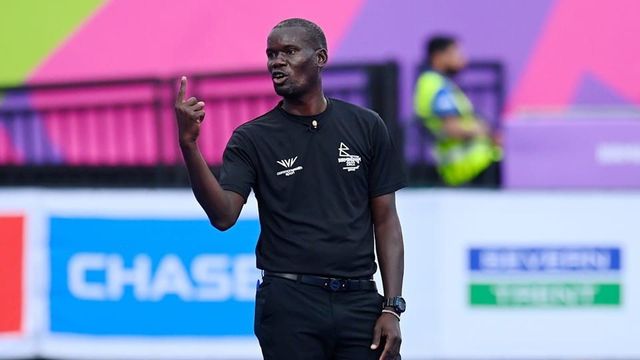
The upcoming season will also introduce new safety-focused rule interpretations, particularly around penalty corner situations. KHUA has already spent months preparing officials for those changes.
“We have had lengthy discussions on several scenarios through our WhatsApp platform,” says Obalo.
The new guidelines were also tested during the Sikh Union Nairobi Centenary Tournament, which served as a pilot event ahead of the full league rollout.
“We believe the trial was successful and we are now ready for implementation in league matches.”
Looking ahead, Obalo believes officiating standards can rise even further if greater investments are made in development and technology.
He points to the need for regular refresher workshops, wider geographical recruitment, improved communication tools and eventually video analysis systems.
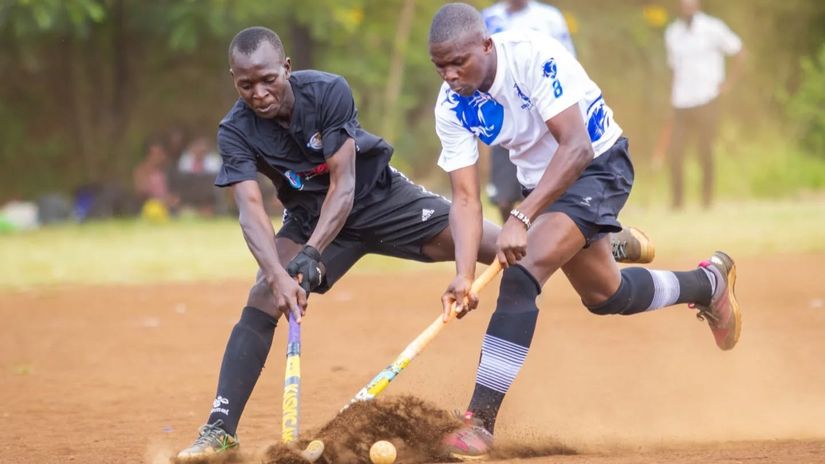
“Investment in video referral and analysis tools would elevate our standards and help teams play better as well,” he says.
He also believes officials need greater recognition and incentives to encourage professionalism within the role.
“Recognising and rewarding improving or upcoming umpires can change the mindset from officiating as a weekend hobby to something that requires proper preparation and commitment.”
As the new season draws closer, the spotlight will once again fall on players and coaches chasing titles and survival. But for Obalo and the officials under KHUA, the mission is equally important, to ensure Kenyan hockey continues to grow with consistency, professionalism and control from the centre of the pitch.