


Mombasa ready to welcome Kenya’s hockey veterans as KHU Masters Series returns
.jpg)
.jpg)
.jpg)


Reading Time: 6min | Sat. 09.05.26. | 15:11
For MCHA President Oliver Mascarenhas, preparations for the event began almost immediately after the Kenya Hockey Union confirmed the hosting dates in March
The Kenya Hockey Union (KHU) Masters Tournament second series is heading back to the coast, and if the mood within the Mombasa County Hockey Association (MCHA) is anything to go by, the 2026 edition promises to be more than just another weekend of veteran hockey.
Download our Mozzart Sport app for more news
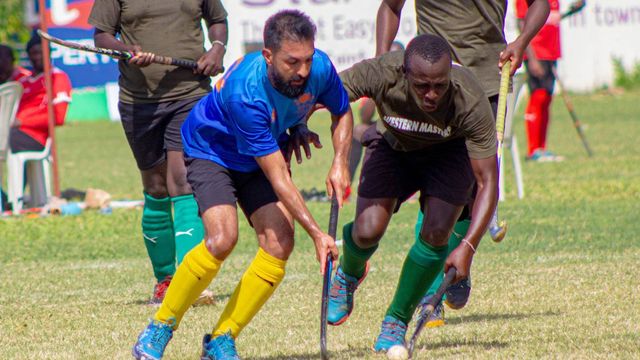
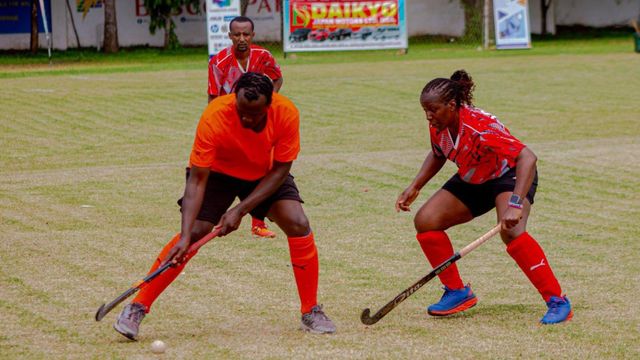
Scheduled for Saturday, 16 to Sunday, 17 May, at the historic Mombasa Sports Club, the tournament is shaping up as a celebration of competition, culture, and the enduring spirit of hockey players who continue to give to the sport long after their peak competitive years.
For MCHA President Oliver Mascarenhas, preparations for the event began almost immediately after the Kenya Hockey Union confirmed the hosting dates in March.
Since then, a Local Organising Committee headed by Boaz Otieno has been working behind the scenes to ensure Mombasa once again delivers an experience worthy of the Masters Series reputation.
Speaking to Mozzart Sport, Mascarenhas noted that preparations started in March once they received KHU’s confirmation of the dates.
“It first started with identifying a team to form the LOC led by Boaz Otieno, who has held regular meetings with his eight-person strong committee in strategising all areas of hosting a Grand Masters Series II in Mombasa,” said Mascarenhas.
The Masters Series has rapidly become one of the most unique and socially vibrant competitions on the Kenyan hockey calendar.
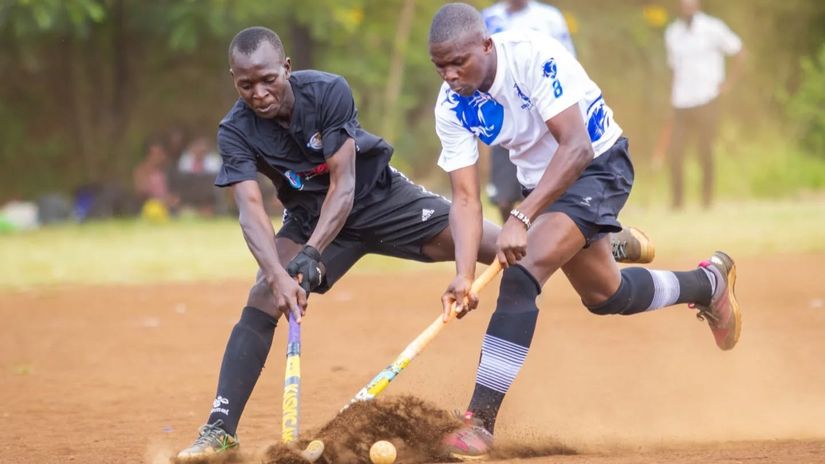
Introduced to provide veteran players with a structured competitive environment, the tournament has evolved into a travelling celebration of hockey heritage, reconnecting former rivals, teammates, and generations of players across the country.
What perhaps distinguishes the Mombasa leg from the rest is the atmosphere.

“Mombasa is more than just a venue; it’s a destination,” explained Mascarenhas. “We are trying to set the matches to finish early so that players have time to visit our beaches and experience some Swahili food.
Our goal is for every participant to leave with not only memories of great hockey, but also of the warmth of Mombasa raha.”
That balance between serious competition and relaxed coastal hospitality has become central to the tournament’s identity.
Last year’s edition attracted a full turnout and culminated with Goan Institute defeating Impala Veterans 4-2 in an entertaining final at Mombasa Sports Club.
The tournament featured 12 teams divided into two pools and reinforced the growing popularity of Masters hockey in Kenya.
This year, organisers expect another strong turnout of between 11 and 12 teams once confirmations close next week.
“We have had a full turnout for the last two years in Mombasa, and we expected nothing less,” said Mascarenhas confidently.
The tournament itself remains under the technical direction of KHU, with teams seeded according to previous Masters Series standings.
The structure is designed to maintain competitiveness while accommodating the realities of veteran hockey, where enjoyment and social interaction remain just as important as results.
The event follows International Masters standards, with eligibility set at 40 years and above for men and 35 years and above for women. The competition is also recognised under World Masters Hockey guidelines.
While competition on the pitch remains intense, organisers have increasingly focused on improving the overall player experience off it. According to Mascarenhas, feedback collected after last year’s tournament directly informed several changes ahead of this edition.
“We actually had a feedback session with the players from last year’s tournament and have taken their comments to change certain aspects of this year’s tournament,” he said.
“We have improved the snacks menu, ensured we have clean toilets and bathrooms and a fully stocked bar.”
Those details may appear minor in isolation, but within Masters hockey culture, they matter. Veteran tournaments globally thrive not only because of the matches but because of the social environment they create, a place where players relive rivalries, reconnect with old teammates, and celebrate their continued attachment to the sport.
MCHA also appears determined to maintain standards despite financial challenges.
Mascarenhas revealed that many traditional sponsors had redirected their support toward Kenya’s Masters national team preparations for the upcoming World Cup in Rotterdam, Holland, forcing organisers to seek alternative backing.
“Thankfully, some of our other corporate sponsors have come forward to fill in this gap, so that we can provide the players with all the amenities they have become accustomed to at MCHA tournaments,” he said.
Player welfare has equally emerged as a major focus area.
.jpg)
With Mombasa’s humid coastal conditions expected to test participants physically, organisers have partnered with Bayleaf Hospital to provide physiotherapy and first aid services throughout the tournament. Free water stations will also be available across the venue.
“MCHA has taken into account scheduling matches to run on time while allowing adequate rest and recovery periods for these senior players,” explained Mascarenhas. “We are coordinating closely with KHU Match and Fixtures to avoid unnecessary strain.”
The Masters Series has also carved out a reputation for promoting inclusivity within Kenyan hockey. Although women’s participation is still developing, the tournament currently requires mixed teams to have at least three women players on the pitch at all times.
“Inclusivity is at the heart of the Masters series, and MCHA is proud to advance that agenda here in Mombasa,” said Mascarenhas. “We would have loved to host full women’s teams into the tournament schedule, but I am sure that we shall eventually get there.”
Beyond the immediate competition, MCHA views the event as a developmental opportunity for the coastal hockey ecosystem.
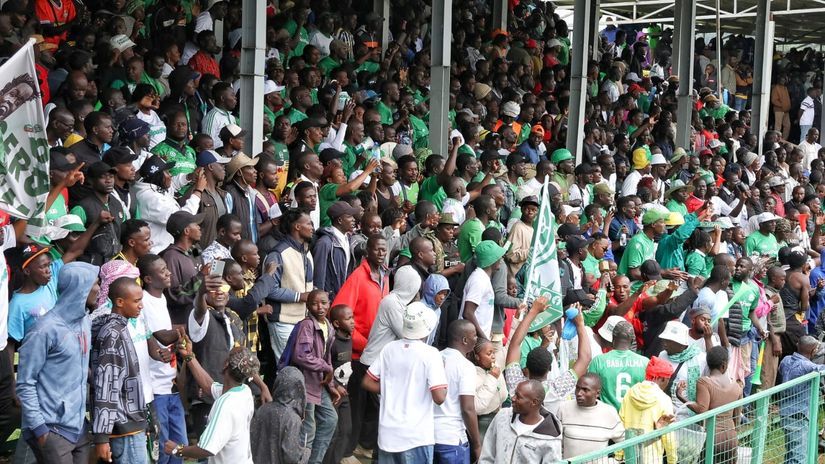
By opening entry to spectators free of charge, organisers hope to attract young players from schools and local leagues to witness veteran hockey at close range.
“This Master's is a catalyst for hockey growth at the Coast,” noted Mascarenhas. “By hosting national-level teams here in Mombasa, we expose many of our younger players and local clubs to higher standards of play, inspiring them to look forward to playing hockey for a much longer period in their lives.”
That long-term thinking reflects a broader shift within Kenyan hockey, where the Masters category is increasingly being recognised as an important extension of the sport’s pathway rather than merely a recreational afterthought.
Recent scheduling adjustments by KHU have even separated Masters fixtures from mainstream league action to give the category more operational visibility and room for growth.
For Mombasa, however, the weekend is about more than strategic growth plans and tournament logistics; the organisers want the event to feel alive.
“We want this Master's tournament to feel like a festival of hockey and culture,” said Mascarenhas.
“Fans, families, and the wider Mombasa community can expect more than just matches. There will be entertainment zones with local music and food courts showcasing Swahili delicacies.”
It is perhaps that combination of hockey, nostalgia, competition, music, food, beaches, and old friendships that has made the Masters Series one of the most organically growing products within Kenyan hockey.