



Kabras RFC chairman details structures Kenyan clubs can adopt to develop young talents





.jpg)
Reading Time: 3min | Fri. 16.05.25. | 12:38
Esilaba believes that players who were integrated into the Kenya Cup were game-changers for the junior team
They say talent without exposure is like a flame without oxygen; it burns out quietly.
This is the saying Kabras RFC chairman Edwin Esilaba would echo as he urges Kenya Cup sides to adopt deliberate structures that nurture and expose young talents to top-tier competition.
Follow Our WhatsApp Channel For More News
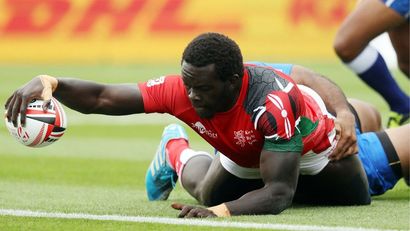
His sentiments come in the wake of the Kenya U20 national team; Chipu’s spirited showing at the 2025 Barthes Cup, where they finished second.
Chipu wrapped up their campaign with a narrow 21-20 win over Zimbabwe U20, having earlier beaten Tunisia and lost to eventual champions Namibia. The loss to Namibia proved costly as they failed to defend the title they won in 2024.
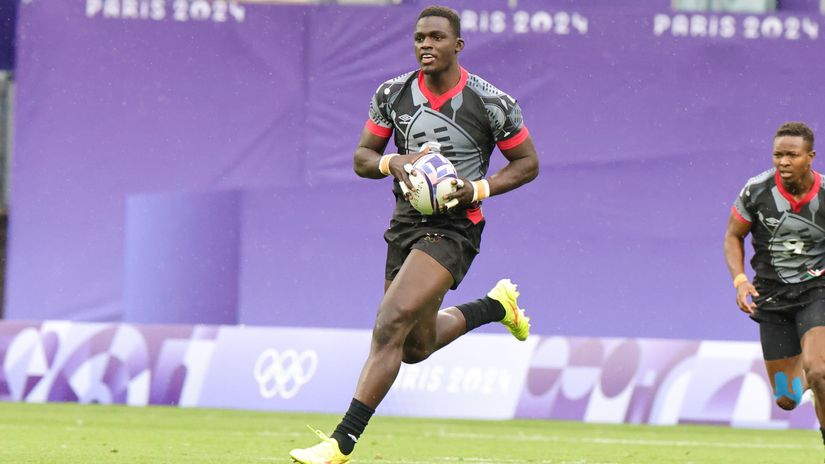
Despite finishing as runners-up, the Kabras RFC boss pointed out a clear difference between players who have featured in Kenya’s top-tier league and those who have not.
Among those with Kenya Cup experience were players like captain Roymark Maruti, Branton Lusasi, Brian Kiptanui, and Darell Omondi, who play for Kabras RFC.
The team also boasted other Kenya Cup-experienced players, including John Asega (South Coast Pirates), Brian Achacha (Menengai Oilers), and Daniel Kipchirchir (Menengai Oilers).
Esilaba believes that players who were integrated into the Kenya Cup were game-changers for the team. He praised them for their ability to lead, adapt quickly to systems, and lift the team’s overall performance.
“The gap is quite noticeable, players with Kenya Cup experience tend to demonstrate greater tactical awareness, better game management under pressure, and superior conditioning,” Esilaba told Mozzart Sport.
“Their exposure to high-stakes matches sharpens their decision-making and execution, whereas players without that experience often lack consistency, physical intensity, and situational maturity,” he continued.
However, Esilaba noted that while some progress has been made, Kenya still lacks a formal transition structure for players leaving school rugby.
He proposed a more deliberate and structured development pipeline to ensure more youth talent makes it into senior rugby, with the clubs at the center of it.
“Clubs need a deliberate development pathway; clear scouting within school leagues, structured U20 programs, and mentorship from senior players. It also requires coaching staff to buy into youth development and create opportunities in less risky match situations. Support from the union in terms of incentives or recognition could further motivate clubs to invest in young talent,” he offered.
He further emphasized the need for clubs to scout talent from school and junior competitions and proposed structured U20 training programs with regular match exposure through friendlies or second-tier leagues. This model was briefly seen ahead of Kenya’s hosting of the 2009 Junior World Rugby Trophy (JWRT).
“Many talented U20s fall through the cracks due to limited post-school rugby options, academic commitments, or lack of support. A structured academy or U23 league would bridge this gap more effectively and provide continuity. I strongly believe we have an opportunity to explore a varsity league option,” he offered.
For Esilaba, if clubs embrace U20 integration, this translated into long-term benefit of the national team as well.
“If U20 integration into Kenya Cup becomes standard practice, the national team will benefit from a larger, more experienced talent pool. Players will enter the senior setup already accustomed to high-level competition, reducing the learning curve. Over time, this will improve the depth, consistency, and competitiveness of the national squad, especially in continental and World Cup qualifiers,” he concluded.