


.jpg)
Q&A: Former KCB, Kenya Simbas captain Davies Chenge on career highlights and decision to retire
.jpg)
.jpg)
.jpg)

Reading Time: 5min | Sat. 30.08.25. | 16:08
Internationally, Chenge earned 33 caps with Kenya 15s, featured in 11 tournaments with Shujaa, and had the rare honour of captaining both national sides
After two decades of donning the green colours of KCB Rugby and the national team colours, Davies Chenge has called time on his illustrious career.
Follow our WhatsApp channel for more news
The hard-hitting utility forward will be remembered for his consistency, leadership, and silverware.
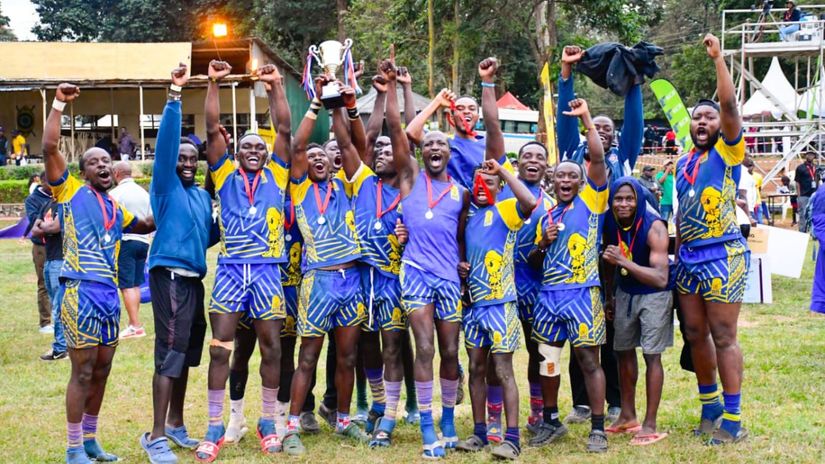
The former Kenya Simbas and Kenya Sevens captain retires at 34, leaving behind a legacy decorated with four Kenya Cup titles, multiple Elgon Cup triumphs, and a 2018 National Sevens Circuit crown.
.jpg)
He also played for Masinde Muliro University of Science and Technology (MMUST) Rugby and Western Bulls before moving to Nairobi.
Internationally, Chenge earned 33 caps with Kenya 15s, featured in 11 tournaments with Shujaa, and had the rare honour of captaining both national sides.
He also played key roles in Kenya’s run to the 2014 CAR Cup Sevens final and the Wellington HSBC SVNS, where the team finished runners-up.
In a sit-down with Mozzart Sport, the seasoned backrower reflected on the journey, the battles, the people who shaped his career, and why he is choosing to step away now.
1. What were your standout moments?
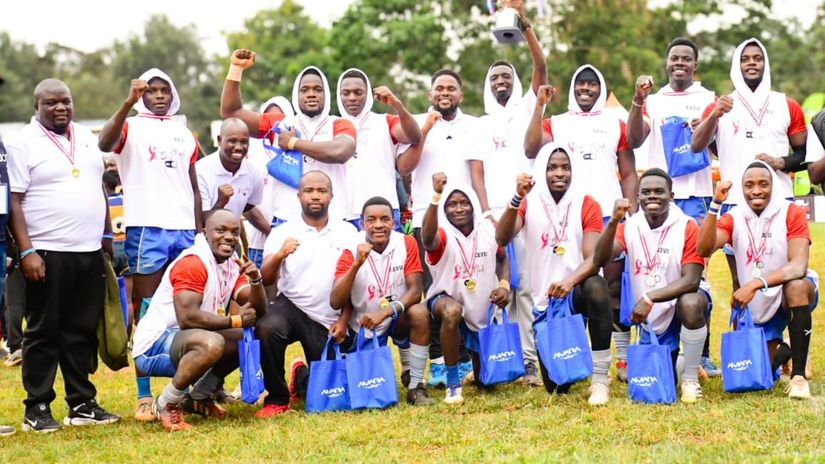
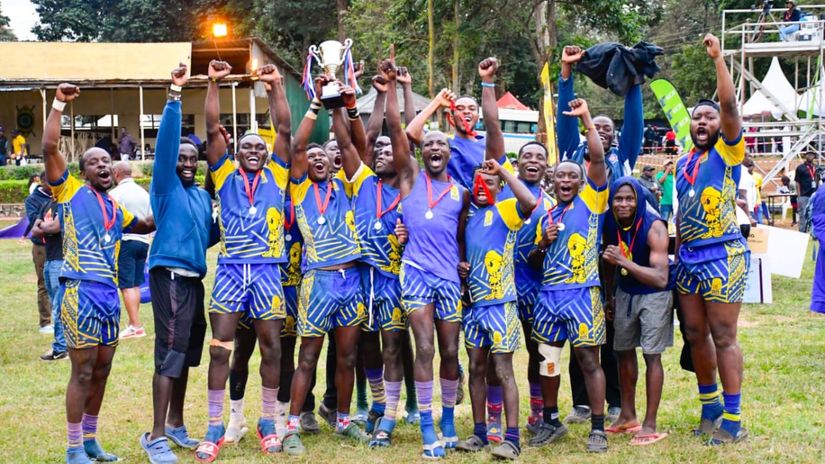
“My standout moments with KCB were definitely the four-peat Kenya Cup championship streak and the 2018 Sevens Circuit series win, where I had the honour of captaining the team.
.jpg)
The four-peat was special because we had great chemistry; we were hungry, united, and driven to achieve it.”
2. Which matches do you consider the toughest in your career?
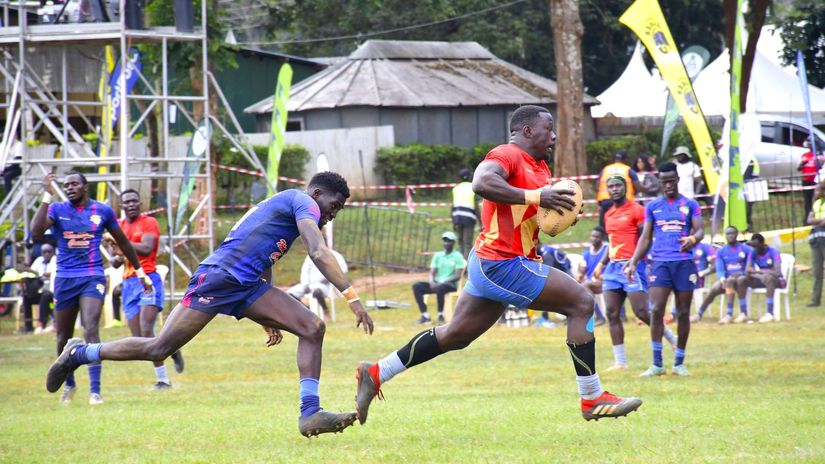
“Throughout my career, I’ve had many tough matches. In KCB colours, Impala always gave us a hard time, as did Homeboyz and, of course, our arch-rivals Kabras.
Internationally, Namibia was always a big challenge, especially during World Cup qualifiers. Those were high-stakes games that came with a lot of pressure, and more often than not, they edged us. Canada also proved to be a tough opponent.”
3. Who were the teammates and coaches who made an impact?
“It’s difficult to single out one person because so many people, at different levels, contributed to the player and person I became over 20 years of rugby.
I must give special mention to those who laid the foundation for me: Mr. Barasa, who introduced me to rugby at Bungoma High School, and Vincent Oduor, Newton Ong'alo, Buttrose(Ochieng' Ahaya), and Mr. Weloba at MMUST.
4. Of course, I won't forget Mike Friday for my 1st international 7s call-up, Jerome Paarwater for 15s.
.jpg)
I also drew a lot of inspiration from players like Humphrey Kayange and Andrew Amonde, who influenced the type of player I became.”
5. Which values kept you grounded?
“The values that kept me grounded were hard work, discipline, openness to learning, and respect, both for teammates and opponents.
I came to learn that physically, I was no different from the best rugby players in the world. What really set them apart was their work ethic and their understanding of the game.
I always tried to emulate that by pushing myself through uncomfortable training, keeping myself fit, and staying eager to learn.
Hard work is a virtue I respect deeply, and it’s what I would pass on to young players: stay hungry, study the game, and keep striving to be the best version of yourself.”
6. How do you want to be remembered?
“I’d like to be remembered as someone who worked hard, never shied away from a challenge, and always improved with time.
I’ve played for underdog teams and for one of the top teams in the country, so I know the different sides of the game.
What mattered to me was always being ready and always putting my best foot forward.”
7. If you were to go back, what advice would you give your younger self?
“If there’s one thing I would have changed, it would be starting rugby earlier. The first time I encountered the sport, I thought it was just about violence.
I had the interest, but didn’t begin soon enough. Still, I worked hard, I never feared big opponents, and I never stopped aiming higher.
My advice to young players is simple: never stop working, never stop striving to be better than you were yesterday. There are no shortcuts; you just have to put in the work.”
8. Why retirement now?
“I’m 34 now, and the demands of the game have really grown. Back then, I could manage two sessions a week and still perform at a high level.
Now it requires more: more sessions, more focus on skills, more attention to detail, and statistics.
Balancing the current 6 sessions a week, with a full-time job, has become difficult, and the exhaustion caught up with me.
Under different circumstances, maybe I could have played until 40, but I had to make the tough decision to focus on other responsibilities.
That said, I may come back to coach kids or contribute in some other way.”
9. What's next for you after retirement?
“For now, I’ll just be a fan. But in the future, I’d love to get into coaching and development. If kids are introduced to the game and taught the right skills early, I believe it will play a big role in growing rugby in this country.
Case in point, Samuel Asati and Vincent Onyala, who had a good rugby foundation early, and you can tell from their skill and understanding of the game. That’s something I’d want to be part of."