

Kenya U17 head coach issues recommendations to improve Junior Stars after failed AFCON qualification






Reading Time: 3min | Wed. 03.12.25. | 08:30
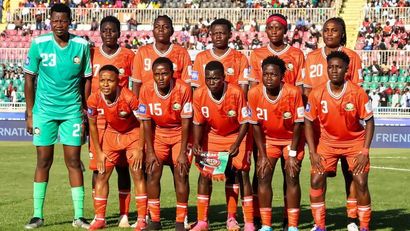
Kenya’s squad had been assembled at short notice, managing barely a week of training before leaving for Ethiopia
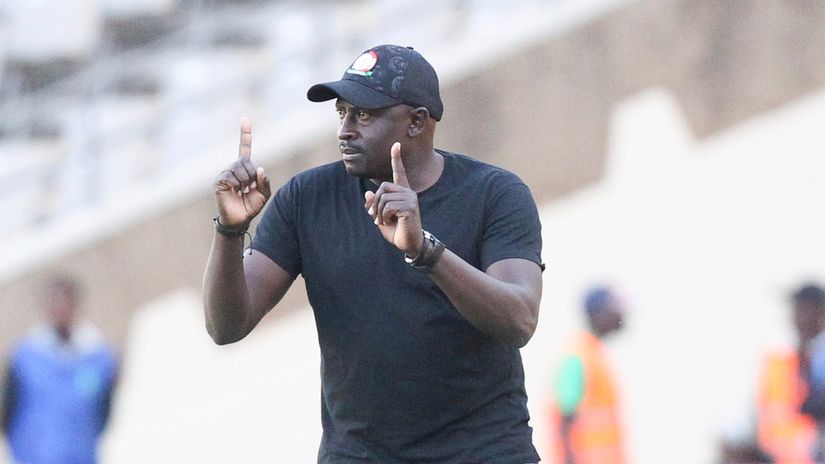
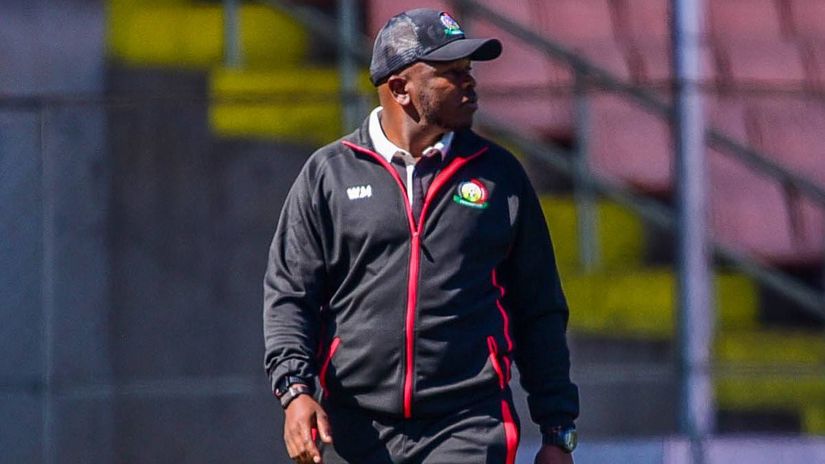
Kenya U17 head coach William Muluya has offered a candid and detailed reflection on the team’s U17 Africa Cup of Nations (AFCON) CECAFA qualifiers campaign, outlining what he believes must change to transform the Junior Stars into genuine contenders in upcoming assignments.
Follow our WhatsApp channel for more news
His biggest emphasis was on early player selection and longer, structured preparation, which he described as the true engine of future success.
The Junior Stars suffered a painful 3–0 defeat to hosts Ethiopia in the third-place playoff on Tuesday, a result that handed the final AFCON ticket to the home side.
Ethiopia join Uganda and champions Tanzania as the region’s representatives at next year’s continental championship.
Kenya’s squad had been assembled at short notice, managing barely a week of training before leaving for Ethiopia. Even then, the team showed flashes of promise, winning against South Sudan and Rwanda in the group stage, drawing with Somalia, and losing only to the hosts, Ethiopia, to finish second in Group A.
Their journey unravelled in the knockout rounds, starting with a 3–1 loss to Tanzania in the semi-finals before Ethiopia overpowered them in the playoff.
Speaking after the tournament, Muluya was invited to reflect on what the team must improve and the lessons they will carry forward.
He explained that Kenya’s preparation model cannot match teams that plan far ahead, pointing to the contrast with the sides that eventually qualified.
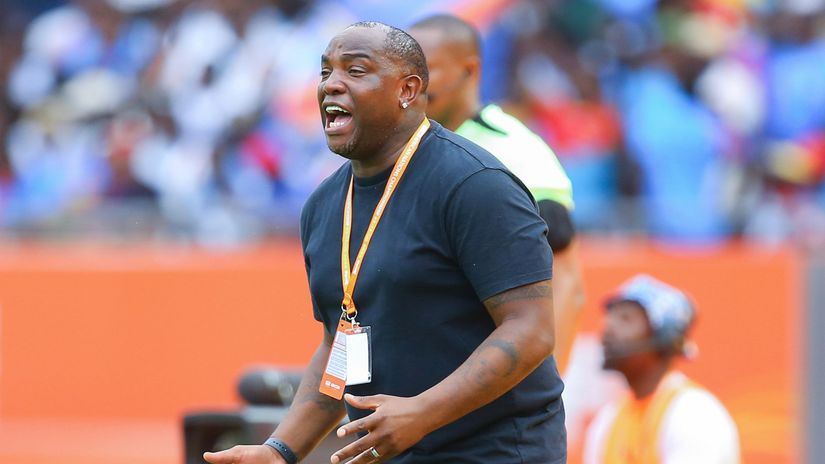
“From my experience with Tanzania, Uganda and Ethiopia, if you look closely at Tanzania and Uganda, these are teams that have been together for not less than a year.
Ethiopia have been in camp for at least three months. All the teams that qualified for AFCON prepared early. Good player selection and early, consistent preparation have been key.”
Muluya went further, introducing the idea that Kenya must not only select players early but also ensure they are engaged in competitive, structured youth competitions that keep them active throughout the year.
“If we can get it right by selecting players as early as now and bringing them together, ensuring they play competitively like Tanzania’s youngsters who feature in a strong under-20 league supported by two solid centres of excellence, then I believe we will be on the right track.”

Reflecting on the match against Ethiopia, he acknowledged that Kenya was clearly second-best in the crucial moments, especially in terms of quality and depth.
“We did not score, and we never came close to being a real threat. I think they deserved to win the second half. Based on the changes they made, they brought on their best players while we were doing the opposite, taking our top talents off the pitch.”
Even so, Muluya expressed admiration for his squad’s commitment, stating that Kenya’s defeat was not for lack of effort.

“In terms of quality, they had more than us. The boys gave everything; we pushed them to their limit, and that was their capacity.
They could not go beyond that. We could not have demanded more because that was the best they had. That is our current level, and we have to accept it.”
Kenya will have another chance to try and qualify in December 2026.