


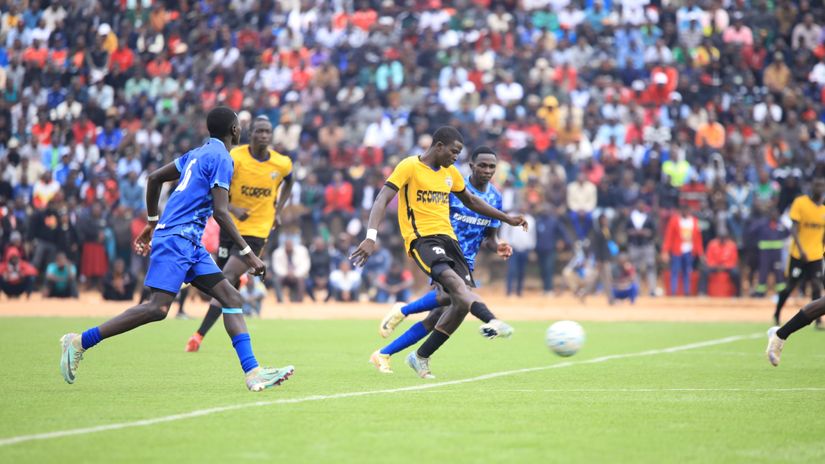
Schools commence Road to Thika nationals in KSSSA Term Two Games
.jpg)
.jpg)





Reading Time: 5min | Wed. 06.05.26. | 11:54
Over the years, the tournament has built a reputation for revealing players who later transition into club academies, university programs, and even professional pathways
The road to 2026 Kenya Secondary Schools Sports Association (KSSSA) Term Two glory starts later this month with a familiar rhythm, raw schoolyard ambition tested through a layered, unforgiving qualification pathway that has historically separated promising teams from truly elite programs.
Download our Mozzart Sport app for more news
From Saturday, 23 to Sunday, 24 May, zonal contests will ignite across the country, setting into motion a calendar that tightens with each phase: sub-county, county, and regional battles before culminating in the national championships scheduled for Sunday, 26 July to Sunday, 2 August in Thika, Kiambu County.
Beyond that lies the ultimate regional test, the Federation of East Africa Secondary Schools Sports Association (FEASSSA) Games in Tanzania, where Kenya’s representatives will once again measure themselves against East Africa’s best.
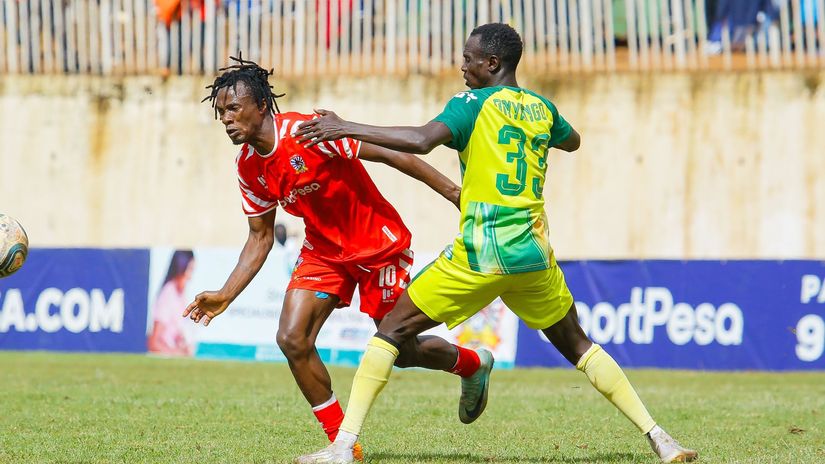
The KSSSA Term Two Games are less a tournament and more a filtration system. At the zonal level, mismatches are common; some schools are still assembling identity, others already executing refined tactical structures.
By the time teams emerge from counties and regions, however, the competition has typically evolved into a showcase of discipline, coaching philosophy, and institutional continuity.
Football, as always, anchors the narrative. It is the sport that draws the largest crowds, produces the most enduring rivalries, and often serves as a pipeline into Kenya’s broader football ecosystem.
Over the years, the tournament has built a reputation for revealing players who later transition into club academies, university programs, and even professional pathways.
In recent editions, one defining trend has been the narrowing competitive gap. Traditional powerhouses, schools with established sports programs and recruitment pipelines have continued to assert themselves, but not without resistance.
Emerging schools, often backed by improved coaching structures and better talent identification at the grassroots level, have disrupted predictable hierarchies.

At the 2025 edition, the boys’ and girls’ football categories reflected this shift. Established names such as Butere Girls, Madira Girls, Musingu High School and St. Joseph’s Boys Kitale advanced deep into the competition, but knockout rounds were increasingly decided by fine margins, set pieces, defensive organisation, and game management rather than outright dominance.
Kenyan representatives at the East Africa stage remained competitive, but the margins against Ugandan and Tanzanian opposition underscored the need for tactical adaptability and squad depth.
Girls’ football, in particular, continues to experience accelerated growth. Matches are more structured, transitions sharper, and individual technical quality noticeably higher than in previous cycles.
The East Africa Games have amplified this progression, with Kenyan girls’ teams consistently reaching advanced stages, often blending physical intensity with improved tactical discipline.
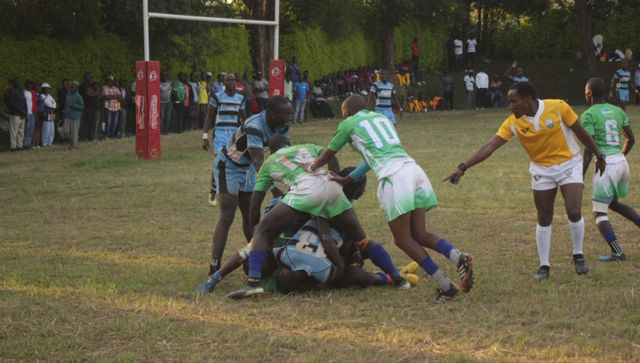
While football dominates the conversation, the Term Two Games have evolved into a broader multi-sport platform. Rugby 7s has grown into a high-intensity spectacle, mirroring Kenya’s national rugby identity: fast-paced, physically demanding, and increasingly strategic.
Schools with established rugby cultures have maintained an edge, but the spread of the game into non-traditional regions is evident.

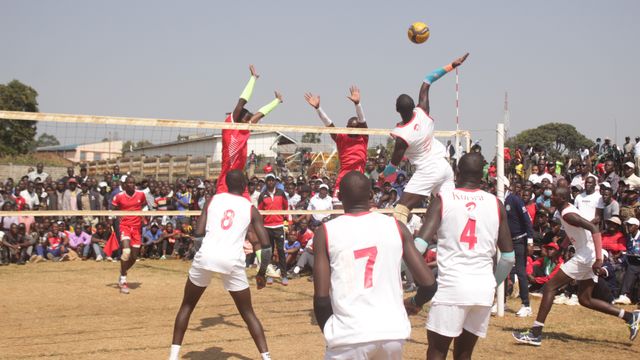
Volleyball and netball remain strongholds of structured excellence. Kenyan schools have historically performed well at the FEASSSA level in these disciplines, often leveraging superior organisation and technical coaching.
In volleyball, the interplay between power and system-based play has become more pronounced, while netball continues to produce tactically aware athletes capable of competing regionally.
Basketball 3x3 introduces a different dynamic: short, explosive contests that reward decision-making under pressure. Its inclusion has diversified the competition, appealing to schools with emerging basketball programs that may not yet have the depth for the traditional 5x5 format.
Indoor games, such as badminton, table tennis, and tennis, add another layer, often operating outside the mainstream spotlight but consistently producing technically refined athletes. These disciplines also highlight disparities in infrastructure, with performance frequently tied to access to training facilities.
KSSSA’s eligibility framework remains a central pillar of the competition’s credibility. The 2026 guidelines will restrict participation to students born on or after 1 September 2006, and who sat KCPE in 2020 or later.
Enforcement has become stricter in recent years. The threat of a two-year ban for fielding ineligible players is not theoretical; it has shaped team selection strategies and increased administrative diligence among schools.
This tightening of governance has, in turn, enhanced the tournament’s legitimacy, particularly as performances increasingly carry regional and even international implications.
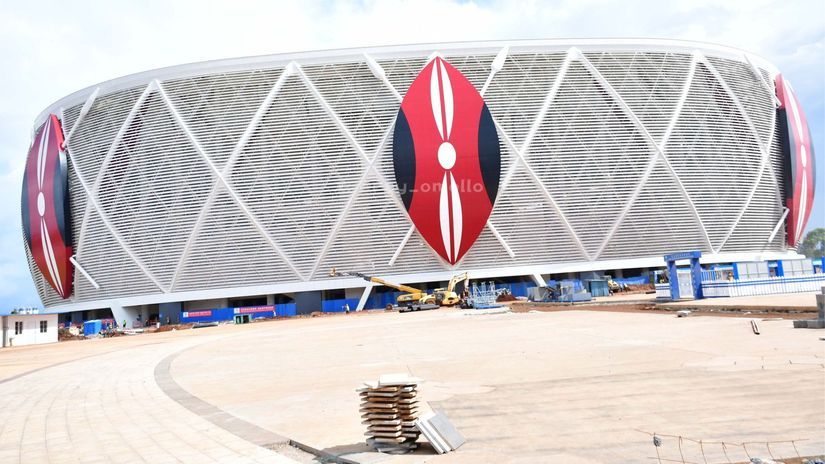
Hosting the national games in Thika introduces both logistical and competitive variables. Climate, pitch conditions, and travel demands often influence outcomes in subtle ways. Teams that adapt quickly, particularly in football and rugby, tend to gain an early advantage.
Kiambu County’s proximity to Nairobi also means heightened media attention and scouting presence. For many players, this is not just a school competition; it is an audition.
The East Africa dimension
Qualification for FEASSSA transforms the stakes entirely. Kenyan teams enter the regional arena with both expectation and pressure. Historically, Kenya has been competitive across multiple disciplines, but dominance is far from guaranteed.
Ugandan schools, particularly in football and basketball, have demonstrated tactical cohesion and physical resilience. Tanzania, as hosts in 2026, will carry both home advantage and growing competitive ambition.
For Kenyan representatives, success will depend not just on talent but on adaptability in managing different playing styles, officiating standards, and match tempos.

What distinguishes the KSSSA Term Two Games is their dual identity. At one level, they are deeply rooted in school pride, community support, and regional rivalries. At another, they are increasingly part of a broader sporting ecosystem, feeding into national teams, professional pathways, and regional competitions.
And as always, football will carry the loudest voice, but it will not be the only story worth telling.