


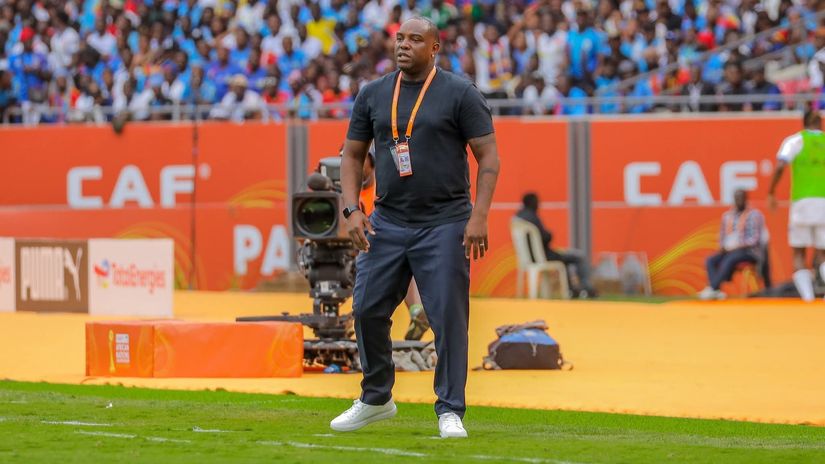
ANALYSIS: The Importance of Wingers at AFCON 2025 and how they compare to Benni McCarthy’s use of Kenyan counterparts

.jpg)
.jpg)
.jpg)




Reading Time: 5min | Mon. 26.01.26. | 15:56
What united these wingers was not just output, but role clarity.This is where the contrast with Bennie McCarthy’s Kenya becomes tactically significant
When you take an in-depth look at the top-performing players from the just-ended AFCON 2025 in Morocco, one trend stands out clearly: wingers dominated the tournament’s performance metrics.
From goals and assists to chance creation and defensive contribution, wide players consistently sat at the top of the statistical charts.
This underlines not only their growing influence in modern international football but also provides a useful lens to evaluate how different coaches, including Bennie McCarthy with Kenya, interpret and deploy the role.
Wingers as the Tournament’s Primary Difference-Makers
AFCON 2025 showcased a competition where matches were often decided in wide areas.
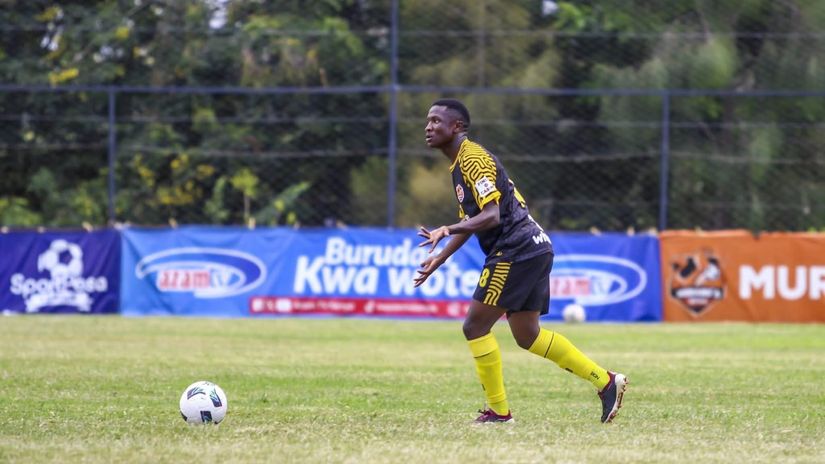
The top-performing players list was heavily populated by wingers, many of whom combined end product with tactical intelligence and defensive work rate.
This wasn't a coincidence - it reflected how elite national teams built their attacking structures around wide threats to destabilize compact defensive blocks common in tournament football.
At the very top was Brahim Díaz, the tournament’s leading scorer with five goals. Playing every match on Morocco’s run to the final, Díaz blended club-style winger freedom with ruthless efficiency.
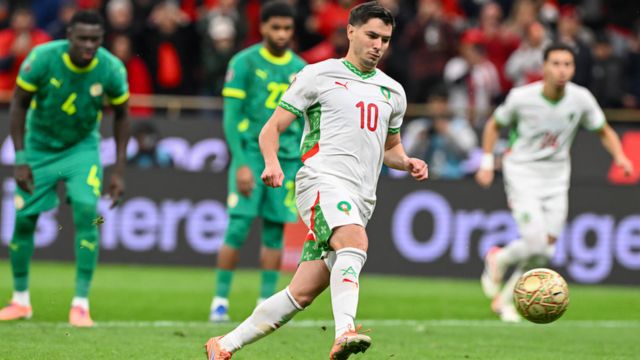
Ranking second in expected goals, xG (3.8) and expected goals on target, xGOT (4.7), he combined volume shooting (19 shots, 10 on target) with ball security (87.2% pass accuracy).
His 37 touches in the opposition box and nine successful dribbles highlighted a winger operating as a primary finisher rather than just a creator.
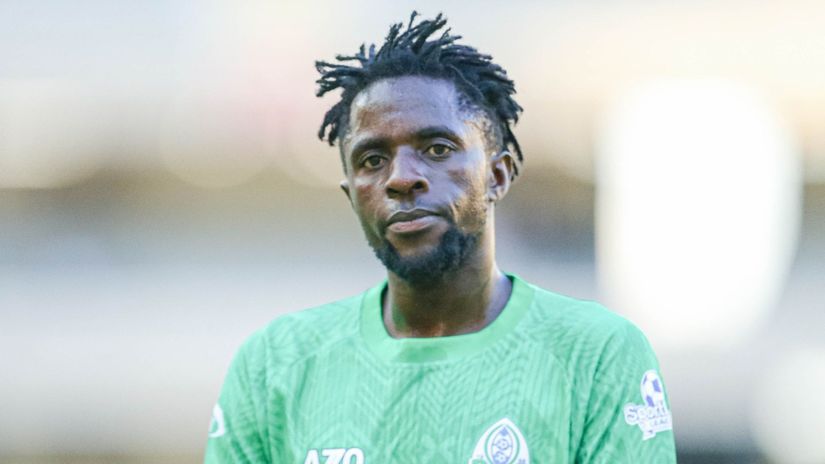
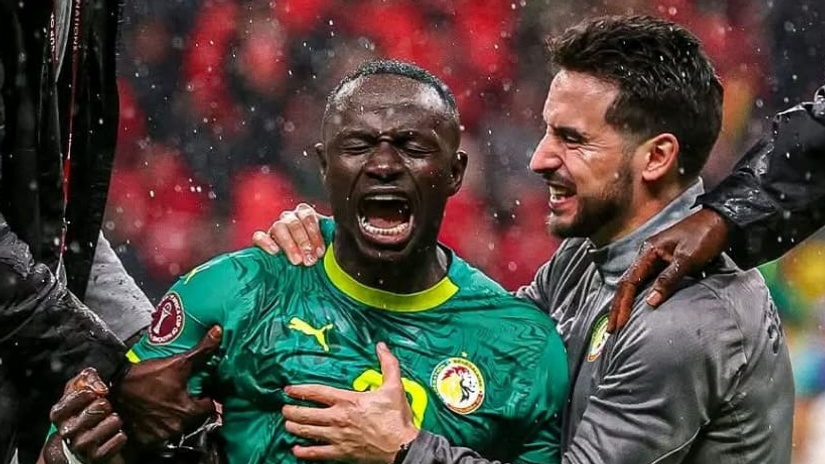
Closely following was Sadio Mané, crowned Player of the Tournament. While his raw goal tally (two goals) was modest, his overall influence was unmatched.
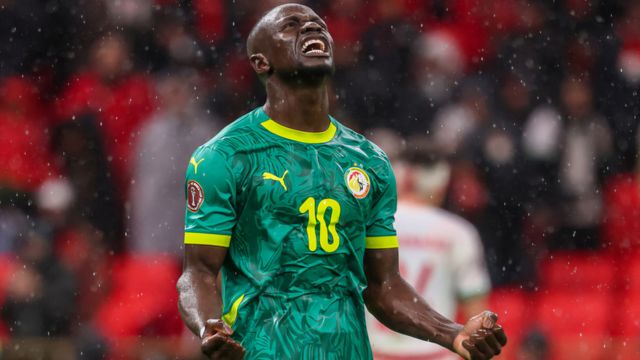
Mané created the most chances in the tournament (19), finished with three assists, and posted elite defensive metrics for a winger - winning 50 duels, recovering possession 38 times, and regaining the ball seven times in the opposition’s final third.
This dual impact reflects the modern winger prototype: creative, decisive, and defensively committed.
Creative Hubs from Wide Areas
If Mané embodied balance, Ademola Lookman represented creative dominance. Though nominally a winger, Lookman often operated in half-spaces within a box midfield structure, blurring positional lines.
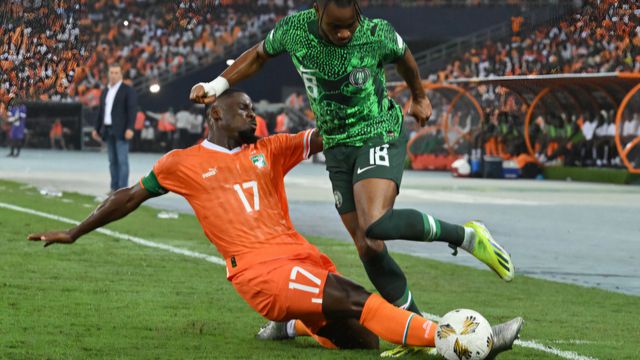
He topped the tournament for big chances created (five), led in expected assists, xA(2.9), and finished with seven goal contributions (three goals, four assists). His ability to drift inside, link play, and still threaten from wide areas illustrated how wingers can function as central playmakers without sacrificing width.
Similarly, Mohamed Salah and Riyad Mahrez demonstrated efficiency over volume. Salah delivered four goals and an assist while maintaining high shot accuracy and consistent chance creation, reinforcing his role as a right-sided inside forward rather than a touchline winger.
Mahrez, meanwhile, led the tournament in goals per 90 (1.00), showcasing how selective involvement and positional intelligence can outperform sheer activity.
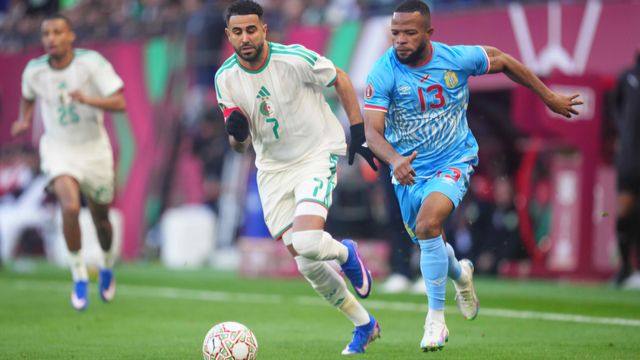
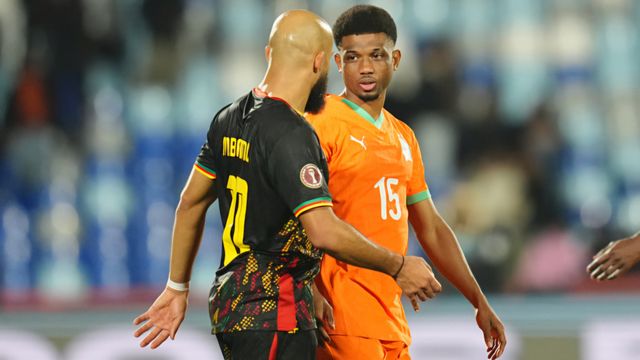
Beyond the headline names, players like Bryan Mbeumo, Amad Diallo, Geny Catamo, Bazoumana Touré, Yan Diomandé, and Elias Achouri reinforced the same theme.
Mbeumo ranked joint-top for big chances created, Amad Diallo combined high shot volume with elite passing efficiency, while Touré and Catamo showed how even limited minutes or lower-profile teams could still benefit decisively from effective wing play.
Club-Level Winger Freedom vs Tournament Discipline
What united these wingers was not just output, but role clarity.
At club level, most operate with attacking freedom - encouraged to isolate full-backs, cut inside, or attack the box aggressively. AFCON 2025 showed that even within national-team constraints, elite sides still structured their attacks to maximize winger influence, often accepting defensive trade-offs to preserve attacking edge.
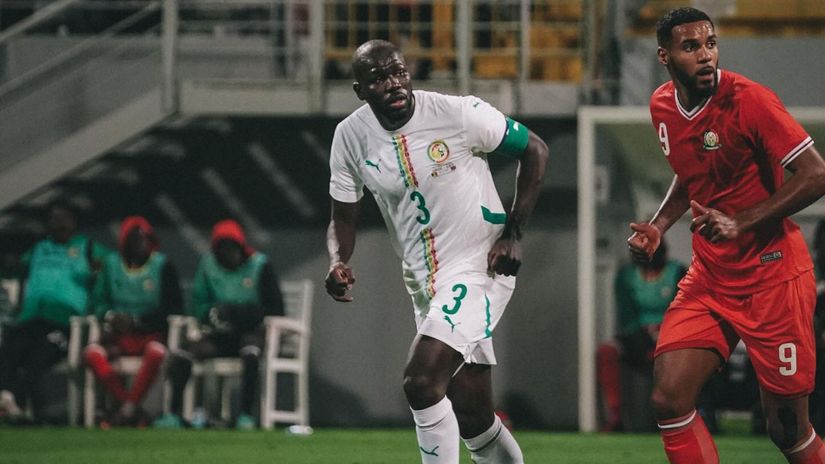
This is where the contrast with Bennie McCarthy’s Kenya becomes tactically significant.
Bennie McCarthy’s Kenyan Wingers: Control Over Chaos
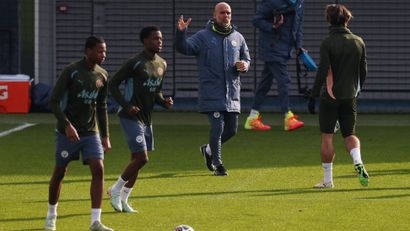
Under McCarthy, Kenyan wingers are not granted the same attacking autonomy seen in Morocco, Senegal, or Nigeria.
Instead, they are always embedded within a control-first framework.
Their primary responsibilities extend beyond chance creation into maintaining team compactness, defensive stability, and structured transitions.
Kenyan wingers are usually asked to:
● Track aggressively to support full-backs, reducing exposure in wide defensive zones
● Act as transition outlets, prioritizing speed and decision-making over sustained dribbling
● Occupy half-spaces selectively, often to support midfield circulation rather than dominate final-third actions
● Enable positional rotations, allowing full-backs or midfielders to advance while preserving rest defense
Unlike Mané or Díaz, Kenyan wingers rarely stay high for prolonged periods.
Their influence is more indirect - stretching play briefly, initiating counters, or supporting pressing triggers - rather than consistently ending attacks themselves.
Tactical Trade-Offs and Context
The contrast is not a criticism but a reflection of context.
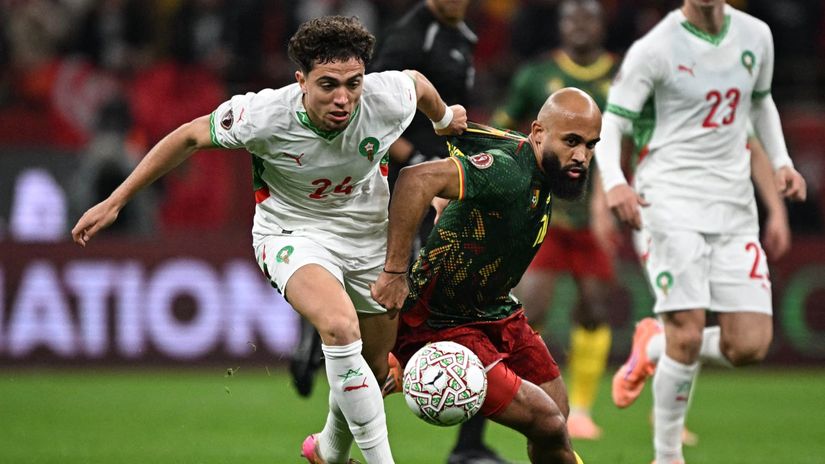
Elite AFCON sides could afford to funnel play through wingers because they had superior depth, individual quality, and defensive coverage behind them. Kenya, under McCarthy, opts for collective stability over individual expression, reducing transitional risk at the cost of winger output.
Where AFCON’s top teams use wingers as match-winners, Kenya use them as system enforcers.
AFCON 2025 reinforced a clear tactical truth: wingers are no longer optional weapons - they are central to success.
The tournament’s best performers overwhelmingly came from wide positions, blending goals, creativity, and defensive work into complete performances.
Bennie McCarthy’s Kenyan setup recently, by contrast, has illustrated the pragmatic end of the spectrum - where wingers sacrifice individual prominence for structural balance.
The gap between Kenya and the tournament’s elite is not just technical, but philosophical: freedom versus control.
For Kenya to close that gap in future tournaments, the challenge will be finding ways to gradually liberate wingers in advanced zones without compromising defensive integrity - a balance AFCON 2025’s best teams mastered through elite wide players.