


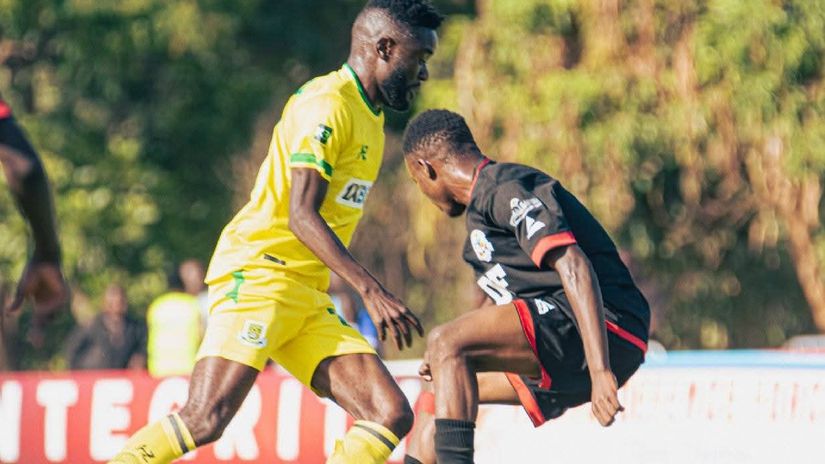
TACTICAL ANALYSIS: How Mathare United displayed tactical masterclass in control against Ulinzi Stars

.jpg)
.jpg)
.jpg)

Reading Time: 5min | Sat. 17.01.26. | 21:31
Mathare consistently dictated where, how, and at what tempo Ulinzi were allowed to play
Mathare United secured a 1-0 victory over Ulinzi Stars in a tightly contested league encounter, and while the scoreline suggests a narrow contest, the underlying tactical patterns revealed a game where the Slum Boys consistently dictated where, how, and at what tempo the Soldiers were allowed to play.
Follow our WhatsApp channel for more news
Mathare United began in a 4-3-3 structure that prioritised central stability and wide aggression. Kevin Ouru started in goal behind a back four of Fidel Otieno, John Nyawir, and centre-backs Ian Omondi and Sammy Imbuye.
Brian Ochieng operated as the single pivot, with Steve Kimari and Brian Ouru as advanced interiors.
Out wide, Michael Oduor and Isaac Omweri flanked John Mark Makwatta as the central striker.
Ulinzi Stars set up in a 4-2-3-1, with Timothy Odhiambo in goal, Brian Birgen and Telena Ochieng as full-backs, and Bonaventure Muchika alongside Abonga Bildad at centre-back.
Brian Emilio and Andrew Okite formed the double pivot, Staphod Odhiambo operated as the No.10, while Boniface Muchiri and Nyale Khamis supported Paul Okoth up front.
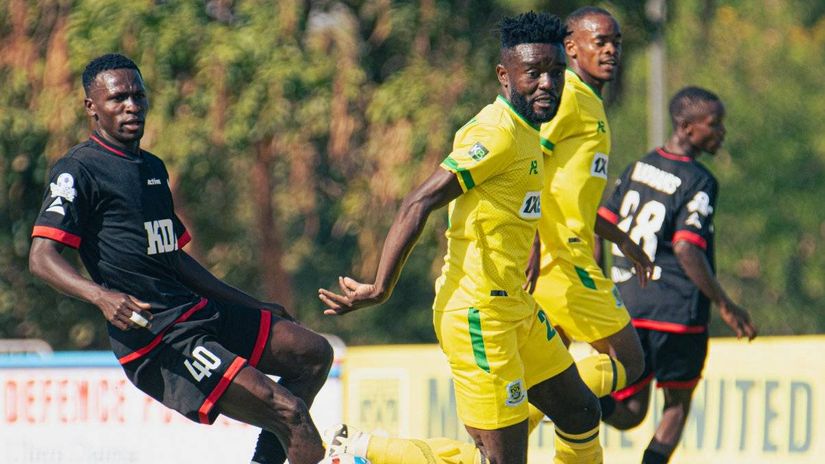
Both teams’ behaviours - especially out of possession - significantly altered spacing and roles.
Ulinzi defended primarily in a mid-block, leaning towards a man-oriented approach in wide zones.
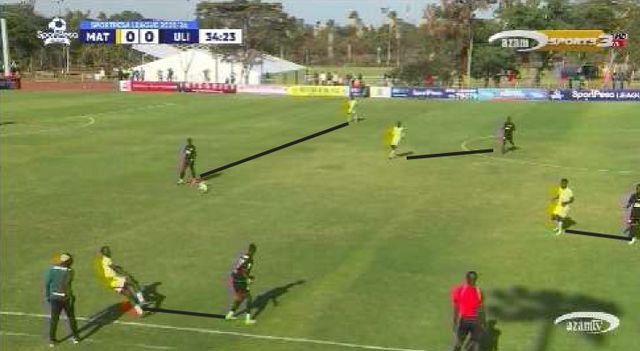 Ulinzi’s forwards used lateral passes as pressing triggers, aggressively locking Mathare down in wide areas and forcing long clearances that allowed them to regain possession through second balls
Their wide midfielders tracked Mathare’s full-backs aggressively, while the double pivot attempted to screen central progression.
However, this scheme left vulnerabilities when dragged laterally, particularly when one midfielder stepped out to follow interior movements.
The result was a defensive structure that looked compact centrally on paper but became stretched in practice once rotations began.
.jpg)
Mathare’s build-up was defined by flexibility at the base. Brian Ochieng regularly dropped between or alongside the centre-backs, enabling both full-backs - especially Nyawir - to push high early.
This created a situational back three in early phases, allowing Mathare to circulate possession safely before accelerating play wide.
Direct vertical balls into Makwatta from midfield, particularly from Kimari, offered an alternative route when Ulinzi attempted to press higher. These passes forced Ulinzi’s centre-backs to step out, creating second-ball opportunities for advancing midfielders.
The recurring weakness Mathare targeted was Ulinzi’s right defensive side.
Isaac Omweri’s intelligent occupation of the inside-left half-space consistently drew Brian Birgen inward, disrupting Ulinzi’s horizontal compactness. This movement freed John Nyawir to overlap aggressively, creating repeated 2v1 situations on that flank.
Crucially, Mathare did not overload for the sake of numbers; each rotation forced a defensive dilemma - track the runner, step to the ball, or hold the line. Ulinzi repeatedly chose incorrectly, culminating in the decisive moment.
.jpg)
Mathare’s dominance of the left half-space was the most consistent tactical theme. Omweri’s positioning between Ulinzi’s right-back and right centre-back created constant indecision, while Ouru and Nyawir supported from behind and outside.
This spatial superiority allowed Mathare to access the box without relying on speculative crosses.

The penalty in the 37th minute was a direct consequence of this pattern. A left-sided overload involving Ouru, Nyawir, and Oduor pulled Ulinzi’s defensive line out of shape, allowing Makwatta to receive centrally before being fouled by Muchika.
The goal was not an isolated event, but the logical outcome of repeated structural pressure.
Out of possession, Mathare defended in a 4-4-2 mid-to-high block. Ouru stepped up alongside Makwatta, while the ball-near interior midfielder dropped slightly to form a temporary 4-1-3-2. This ensured protection against long balls while maintaining pressing intensity.
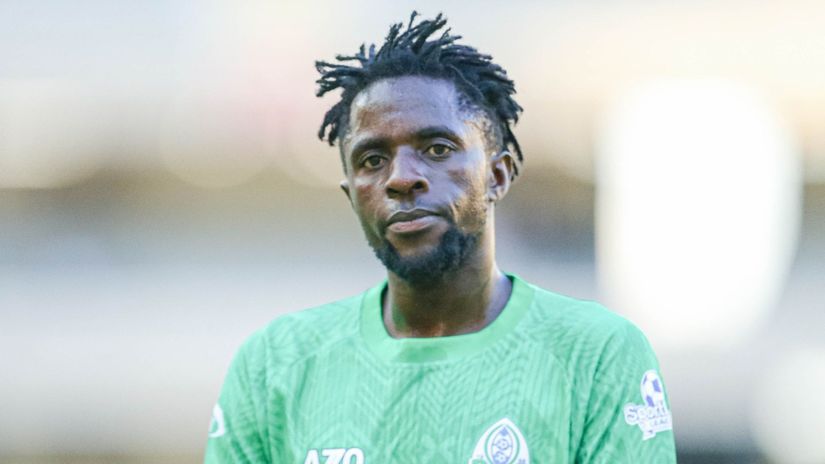
Pressing triggers were clear: sideways passes between centre-backs to fullbacks or backward touches from Ulinzi’s full-backs.
Mathare’s curved pressing runs forced play wide, where Omweri and Oduor aggressively jumped onto receivers. This denied Ulinzi controlled build-up and repeatedly forced goalkeeper-led long clearances.
Mathare’s rest-defence was disciplined. Even with full-backs advanced, Ochieng and the two centre-backs remained close to the ball-side, allowing immediate counterpressure after a loss.
This proximity prevented Ulinzi from launching clean transitions, particularly limiting Nyale Khamis’ ability to exploit space in behind.
Khamis often remained high as a rest-attack outlet, but without structured support, his threat was largely neutralised by Mathare’s positional security.
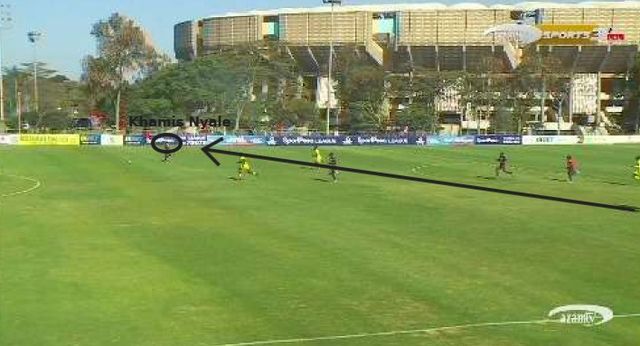
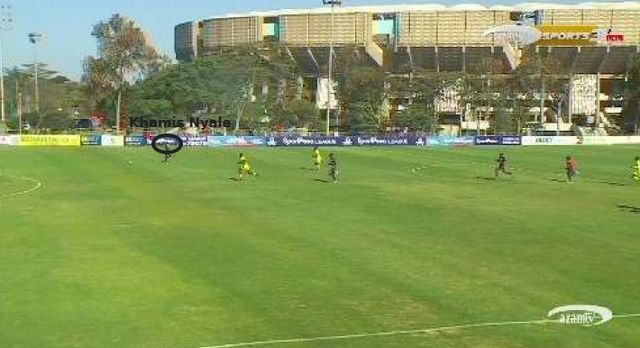 Khamis Nyale served as Ulinzi Stars’ main attacking outlet on the right flank, with most first-half transitions deliberately channelled through him
Ulinzi adjusted after the break, switching to a 4-4-2 by introducing Edward Odhiambo, a second striker.
The intention was clear: attack earlier, cross more frequently, and bypass Mathare’s press. Full-back Telena was given licence to advance aggressively, delivering early balls into the box.
Mathare responded pragmatically. Injuries forced changes, but the structural response remained consistent - longer restarts, compact spacing after regains, and controlled possession spells to manage the tempo.
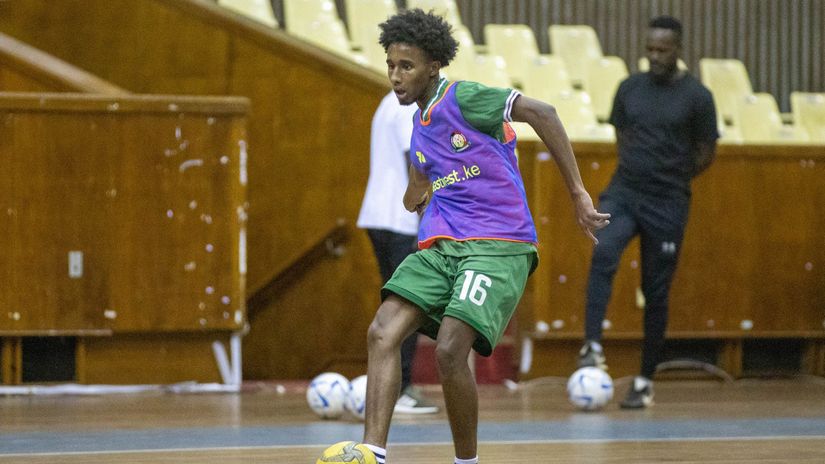
Rather than chasing a second goal recklessly, Mathare prioritised game control, slowing transitions and pressing selectively when Ulinzi attempted to build.
In deeper phases, Mathare’s block remained compact vertically, with clear stepping triggers from the centre-backs when Ulinzi attempted to play into feet between the lines.
Recovery runs from wide players ensured numerical balance in the box, neutralising the increased crossing volume.
This match was decided by structure over spontaneity. Mathare United’s victory stemmed from coherent build-up rotations, targeted exploitation of half-spaces, and a pressing scheme that consistently disrupted Ulinzi’s rhythm.
Ulinzi’s second-half adjustments increased directness but also sacrificed control, playing into Mathare’s strengths in aerial duels and second-ball management.
Ultimately, the penalty goal merely confirmed a tactical trend that had been building throughout the first half.
Mathare did not just win the match - they controlled its terms, offering a clear example of how positional discipline and intelligent pressing can outweigh raw attacking volume