


TACTICAL ANALYSIS: How Shabana's midfield overload overcame coach Akwana's diamond

.jpg)
.jpg)
.jpg)

Reading Time: 5min | Mon. 19.01.26. | 21:25
Shabana prioritised spacing, circulation, and controlled progression, while Sofapaka sought direct access into advanced zones with minimal build-up
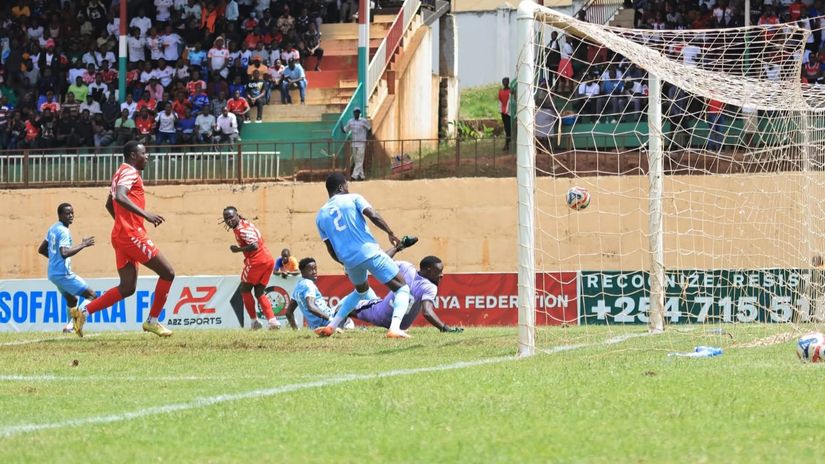
Shabana secured a hard-fought 1-0 victory over Sofapaka in an FKF Premier league tie at Gusii.
While the scoreline suggests a tight contest, This analysis explores how Shabana’s build-up structure, rest-defence, and right-sided attacking focus neutralised Sofapaka’s intentions, while Sofapaka’s own attacking limitations ultimately undermined their ability to respond.
Follow our WhatsApp channel for more news
Shabana began in a 4-2-3-1 hybrid, with Stephen Ochieng in goal behind a back four of Victor Odhiambo, Mark Okola, Wycliffe Omondi and James Mazembe.
The double pivot of Byron Otieno and Kevin Omundi provided balance, while Bronson Nsubuga operated as the advanced midfielder, positioned deliberately between Sofapaka’s midfield and defensive lines.
Ezekiah Omuri and Bryan Michira held wide roles on the right and left respectively, with Erick Otieno leading the line as the reference striker.
Sofapaka set up in a nominal 4-4-2 diamond, though their behaviour without the ball resembled a 4-1-3-2.
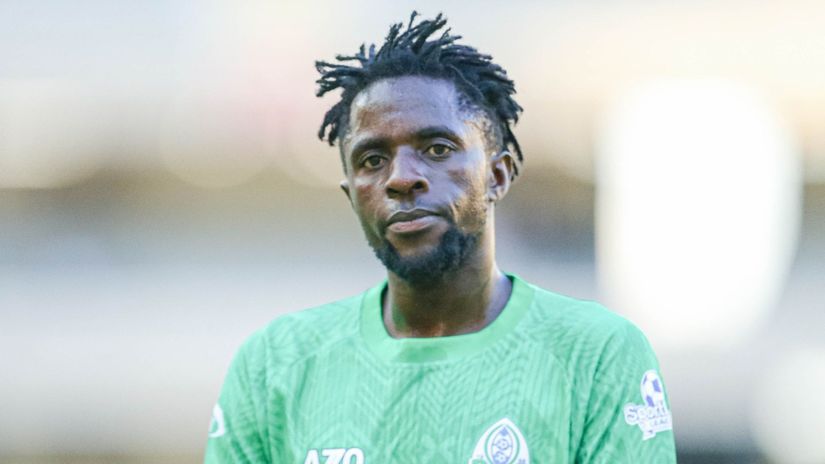
Brian Mariani started in goal, shielded by Ronald Musumba, Idrissu Shaibu, Charles Ouma and Stephen Bonney.
Daniel Nganga anchored midfield, with Tyson Kariuki and Clifton Miheso operating as inside forwards rather than traditional wingers.
Musa Ndusha played between midfield and attack, supporting the strike pairing of Joseph Kuloba and Meshack Ochieno.
From the outset, the contrast was clear: Shabana prioritised spacing, circulation, and controlled progression, while Sofapaka sought direct access into advanced zones with minimal build-up.
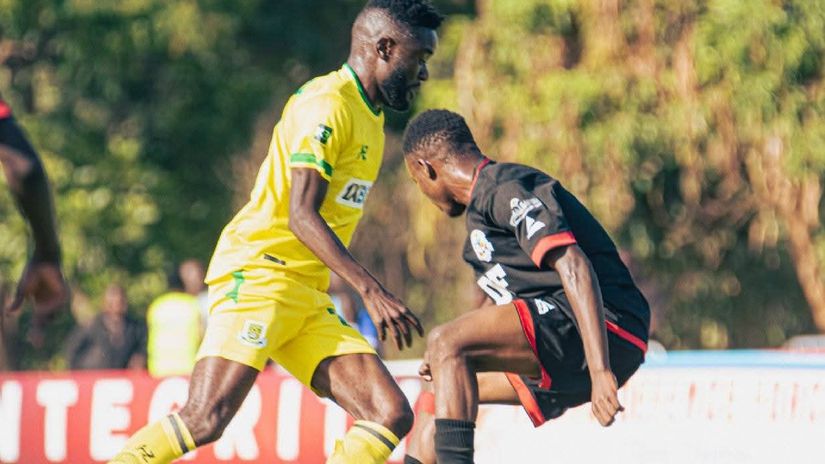
Out of possession, Sofapaka defended in a mid-block 4-1-3-2, aiming to protect central lanes by keeping Nganga deep and the midfield three narrow.
However, this structure lacked aggression in stepping out, particularly against Shabana’s rotating midfield. The front two pressed selectively, but without coordinated support behind them, allowing Shabana’s centre-backs and dropping midfielders time on the ball.
Crucially, Sofapaka’s man references were unclear. Nsubuga frequently received between the lines without immediate pressure, forcing centre-backs to hesitate between stepping out or holding the line.
This indecision became the structural weakness Shabana repeatedly exploited.
Shabana’s build-up was defined by third-man principles and asymmetrical support.
Either Omundi or Byron consistently dropped between the centre-backs, temporarily forming a back three and stretching Sofapaka’s first line of pressure.
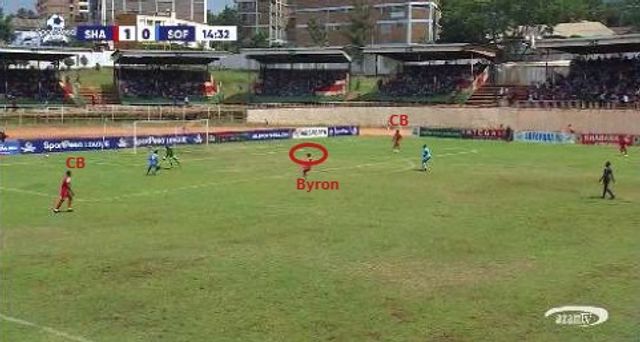
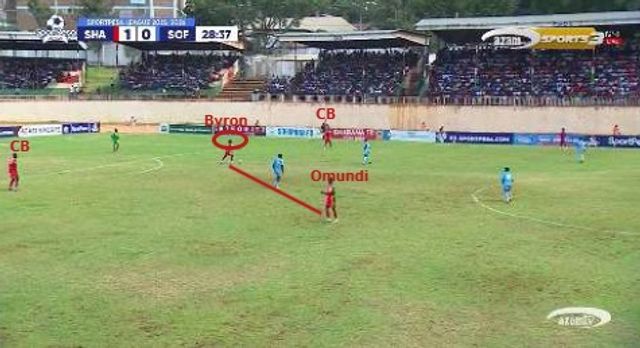
Byron dropped between the two wide centre-backs, enabling the full-backs to push high and support low build-up while bypassing the first line of pressure.
This movement created clear passing lanes into midfield and allowed the full-backs to push high and wide.
On the right, Omuri remained high and aggressive, pinning Sofapaka’s left-back Idrissu Shaibu and providing a direct outlet.
On the left, Shabana adopted a more nuanced approach: Nsubuga frequently drifted wide or dropped deeper, enabling Mazembe to overlap while Michira tucked inside or dropped short.
These rotations disrupted Sofapaka’s defensive references and allowed Shabana to progress cleanly into the final third.
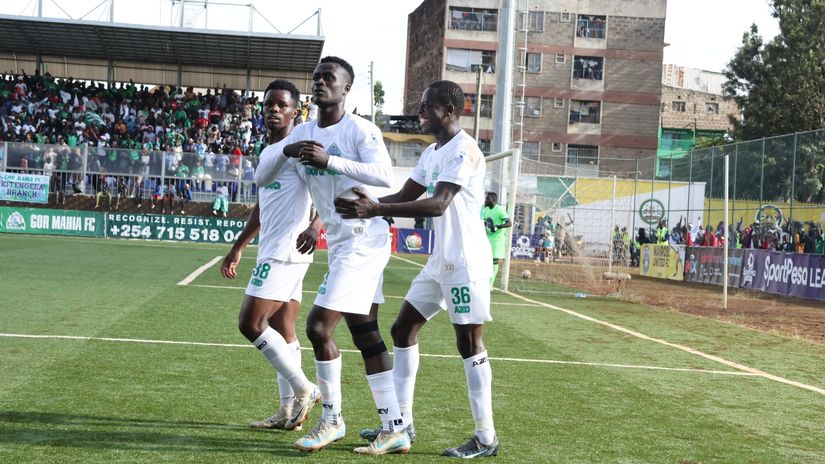
The key was not possession for its own sake, but positional superiority - Shabana constantly ensured they had a free player between or beyond Sofapaka’s lines.
The opening goal in the 6th minute encapsulated Shabana’s tactical clarity. Nsubuga received between the lines after a ricochet to the defense, drove forward, and displaced multiple defenders by carrying the ball directly through Sofapaka’s defense in the penalty box.
As defenders collapsed inward, space opened centrally, allowing him to finish with a low, composed effort.
This moment was not an isolated action but the logical outcome of Shabana’s positional play.
Sofapaka’s reluctance to step out aggressively meant ball-carriers could advance unchallenged, while their midfield failed to close distances quickly enough.
Shabana consistently targeted the right half-space and wide channel. Omuri was the primary attacking outlet, especially in transitions.
Erick Otieno’s role was critical here - not necessarily as a finisher, but as a defensive magnet, winning aerial duels and dragging centre-backs out of position to open space for Omuri’s diagonal runs.
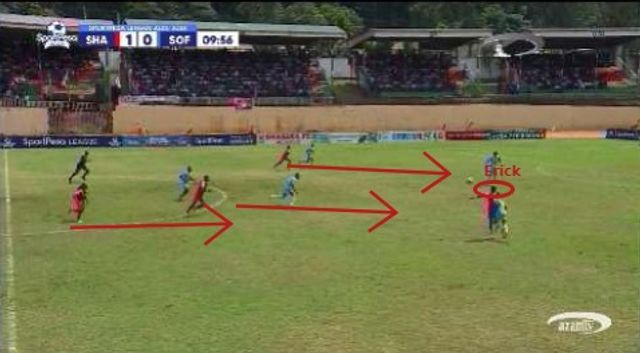
For Shabana, long goal kicks were directed centrally towards the striker, drawing a centre-back out of the defensive line and opening space to exploit the flanks and half-spaces on the second phase
In attack, Sofapaka attempted to overload the left half-space through Kuloba and Miheso, but Shabana’s compactness - particularly from Okola and Victor Odhiambo - restricted penetration. The distances between Shabana’s defenders were small, forcing Sofapaka wide and away from high-value central zones.
Shabana operated with a high defensive line, supported by proactive rest-defence. The back four stayed high even during attacking phases, compressing the pitch and allowing Stephen Ochieng to sweep aggressively behind them.
This structure neutralised Sofapaka’s preference for long balls, particularly those aimed at Kuloba in the left channel.
When possession was lost, Shabana’s counterpressure was immediate. Their players stayed close to the ball, preventing Sofapaka from turning transitions into sustained attacks.
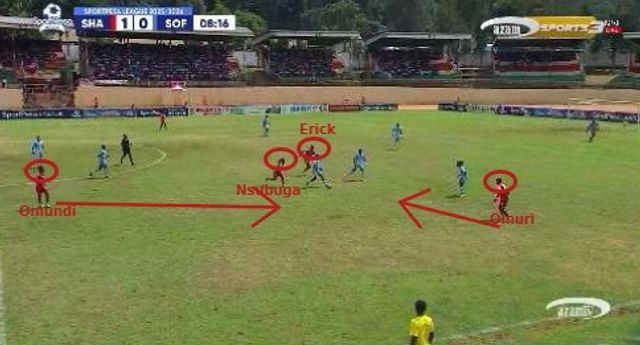
Shabana’s aggressive counterpressing overwhelmed Sofapaka immediately after turnovers, using numerical superiority and sharp off-ball positioning to prevent any sustained build-up
As a result, Sofapaka often found themselves attacking with numerical inferiority, frequently two attackers against Shabana’s settled back four.
Sofapaka attempted to shift momentum after the break by pushing their inside forwards wider and introducing Japheth Lihanda for added creativity.
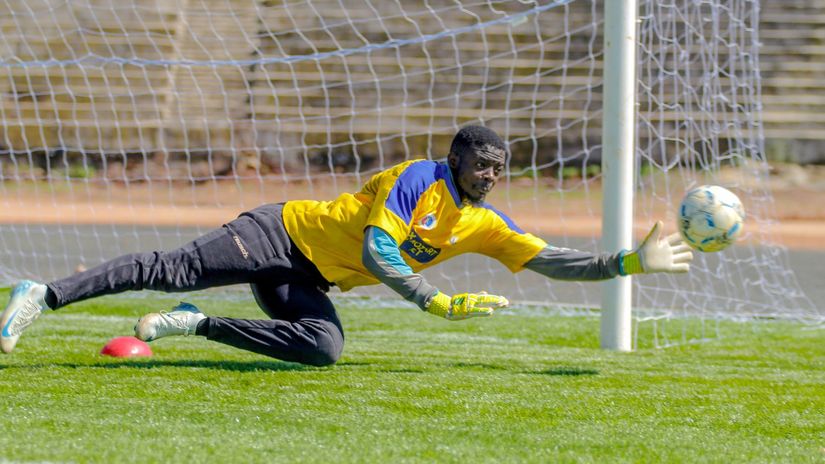
This adjustment improved ball circulation, especially as Sofapaka began building more patiently from the back around the 68th minute. Lihanda’s penetrative passing briefly increased threat, particularly when targeting Joseph Kuloba’s and Meshack Ochieno’s half-space runs.
Shabana responded pragmatically. Following Omuri’s injury, they reshuffled: Omundi advanced a bit higher, Michira moved centrally, and Nsubuga shifted wide.
While this reduced direct pace on the right, it increased ball retention and control, allowing Shabana to manage the game state rather than chase further goals.
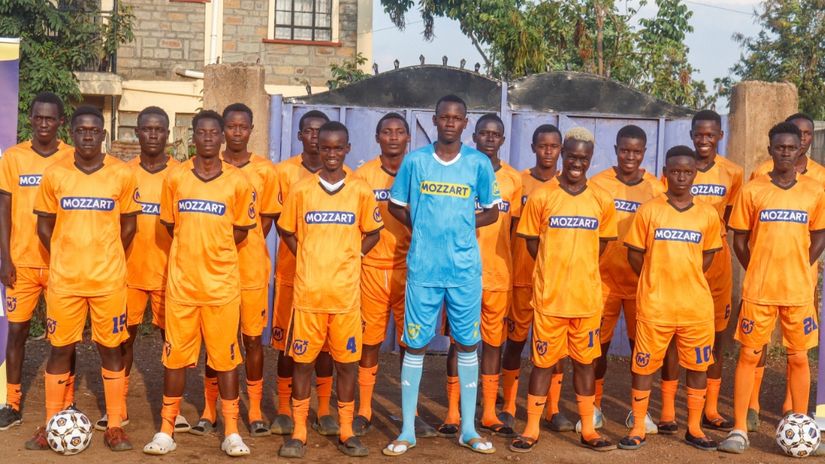
In deeper phases, Shabana defended with discipline rather than aggression. Their block remained compact, stepping out only on clear triggers and prioritising horizontal compactness.
Kuloba’s late drift to the right failed to generate enough space, as Shabana consistently denied him time to turn or combine.
Despite Sofapaka’s increased composure late on, clear chances remained scarce - a testament to Shabana’s defensive spacing and communication.
This match was ultimately decided by structural clarity versus structural limitation.
Shabana understood where superiority could be created - between the lines, on the right flank, and during transitions - and repeatedly accessed those zones.
Sofapaka, by contrast, lacked synchronisation in both pressing and attacking support, rendering their possession largely harmless.
While the 1-0 scoreline suggests marginal victory, the tactical evidence points to a Shabana side that controlled the match’s rhythm, territory, and risk.
Their use of positional play, rest-defence, and transitional efficiency offers a blueprint for how dominance does not always require volume - only clarity.